Plant Overview
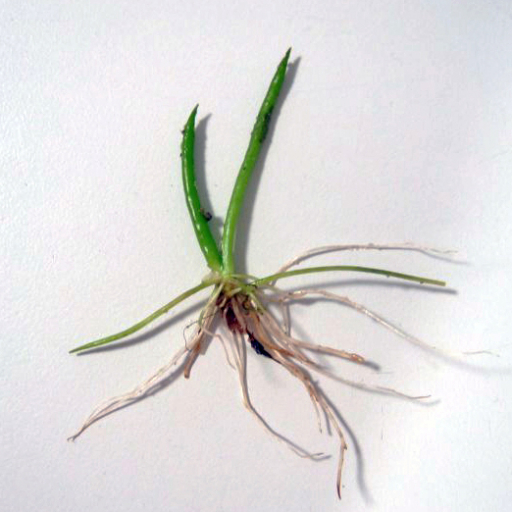
Known as the "Shoreweed," Littorella uniflora is a quiet architectural marvel of the water’s edge. This hardy perennial lives a double life, thriving both as a submerged carpet in clear lakes and as a tufted herb on damp, sandy shores. In the world of aquascaping, it is cherished for its "stiff" look, providing a texture that few other foreground plants can match.
🔍 How to Identify
- 🌿 The Rosette: It grows in distinct, tight clusters of leaves that radiate from a central point, resembling a tiny, green sea urchin or a tuft of stiff grass.
- 🖋️ Leaf Shape: The leaves are thick, fleshy, and cylindrical (nearly round in cross-section) rather than flat, tapering to a sharp point at the tip.
- 🌼 The Split Flowers: When the water level drops and the plant is exposed to air, it sends up a single male flower on a long stalk, while the female flowers remain tucked away at the base of the leaves.
🏡 In Your Garden
- 🌊 The "Amphibious" Edge: This plant is perfect for the margins of a garden pond. It is exceptionally tough and can handle being completely submerged during spring rains and left high and dry during summer droughts.
- 🌱 Slow and Steady: Unlike many invasive carpet plants, Shoreweed spreads via runners at a very deliberate pace. It won't take over your pond or aquarium overnight, making it ideal for hobbyists who prefer low-maintenance "slow gardening."
- ⚓ Root Anchoring: It develops a surprisingly robust and fleshy root system. Because of this, it dislikes being moved once established; find a sunny spot with sandy or gravelly soil and let it claim its territory.
⚠️ Safety & Toxicity
- ✅ Safe Status: Littorella uniflora is considered non-toxic to humans, dogs, cats, and horses. It is a "friendly" addition to any backyard ecosystem.
- 🐌 Wild Warning: If you are harvesting this plant from the wild for a home aquarium, be sure to quarantine it first. Wild specimens often carry "hitchhikers" like snail eggs or microscopic parasites that can disrupt a delicate indoor tank.
✨ Fun Fact
Littorella uniflora is a bit of a prehistoric overachiever; it uses a special type of photosynthesis (CAM) usually found in desert cacti. This allows it to "breathe" through its roots and store carbon dioxide, helping it survive in nutrient-poor, rocky lakes where other plants would starve!

Detailed Care Instructions
To grow Littorella uniflora plants, you can follow these steps:
- Choose the right location: Littorella uniflora is primarily an aquatic plant that thrives in freshwater environments such as ponds, lakes, or slow-flowing streams. Ensure that you have a suitable water body or container to grow it.
- Light requirements: Littorella uniflora prefers bright, indirect sunlight. Place them in an area where they can receive 4 to 6 hours of sunlight per day. If growing indoors, you can use artificial grow lights.
- Water conditions: Ensure the water where you plan to grow the plant is clean and free from chemicals or pollutants. The water should be consistently cool, ideally between 50-70°F (10-21°C). Maintain a pH between 6.5 and 7.5, as Littorella uniflora prefers slightly acidic to slightly alkaline conditions.
- Planting: If growing in a container, use a wide but shallow container or pond with sandy or loamy soil as a substrate. Place the plant gently into the substrate, ensuring that its rosette of leaves remains above the soil surface. Firmly press the substrate around the base of the plant.
- Water depth: Keep the water depth around 2-6 inches (5-15 cm). Littorella uniflora prefers shallow water where it can easily spread its roots and access sunlight.
- Maintenance: Regularly monitor the water conditions and maintain them in the appropriate range (temperature, pH, cleanliness). Remove any dead or decaying leaves to prevent them from rotting and affecting the health of the plant. Provide occasional liquid fertilizer if necessary.
- Spreading: Littorella uniflora can propagate through runners or stolons that extend horizontally and send out new plantlets. Allow these runners to grow and establish new plants to encourage the growth of a healthy population.
- Winter care: If growing Littorella uniflora in zones with freezing winters, provide protection by moving the plant indoors or insulating the water body with a layer of straw or other insulation material to prevent freezing.
Remember that Littorella uniflora is a sensitive plant, so avoid using chemical treatments, pesticides, or herbicides near it. Additionally, always consider local regulations and ensure the plants are not invasive in your area before introducing them to natural water bodies.
Littorella Uniflora is an aquatic plant that requires water for its growth and survival. To water the plant, it is important to first ensure that it is grown in an environment that provides the necessary nutrients and sufficient light conditions. The ideal pH range for the water should be between 6.5 to 7.5.
The plant should be watered regularly, and the water should never be allowed to dry out completely. If the plant is grown in a pond or aquarium, it should be submerged in the water, and the water level should be maintained at a level that covers the entire plant.
During the initial stages of growth, the plant may require extra care and attention to ensure that its roots are established properly in the water. It is recommended to use a slow-release fertilizer for the water to provide essential nutrients to the plant.
It is important to avoid overwatering the plant, as this may lead to root rot or other harmful conditions. Additionally, the water should be clean and free of any harmful pollutants or chemicals that could harm the plant.
Overall, regularly monitoring and providing appropriate watering conditions can help Littorella Uniflora thrive and grow into a healthy and beautiful aquatic plant.
To properly fertilize this plant, it is recommended to use a slow-release fertilizer designed for aquatic plants. Apply the fertilizer according to the manufacturer's instructions, being careful not to over-fertilize and cause nutrient imbalances in the water. Additionally, monitor the water quality and adjust fertilization as needed based on the plant's growth and overall health.
Littorella Uniflora is a plant that requires a specific type of soil for proper growth and development. The ideal soil for Littorella Uniflora is typically a mix of sandy and loamy soil that is well-draining. This type of soil allows for proper air circulation and enables the plant's roots to absorb the nutrients required for healthy growth. The pH level of the soil should be slightly acidic to neutral range, with a pH of approximately 6.0 to 7.5. Additionally, the soil should be kept consistently moist but not waterlogged to ensure the health of the plant. Therefore, it is essential to use the appropriate soil mix and avoid using heavy or clay-like soil that can hamper plant growth and cause root rot.
Propagation of this plant can be achieved through vegetative means. Collect small pieces of the plant and place them in nutrient-rich soil in a well-lit area with high humidity. Alternatively, the plant can be divided at the roots and replanted in a new location. This method typically works best in the spring or early summer, when the plant is actively growing. Regular watering and fertilization will help to encourage healthy growth. With proper care, the newly propagated plants should be able to thrive and grow into mature specimens over time.








