Plant Overview
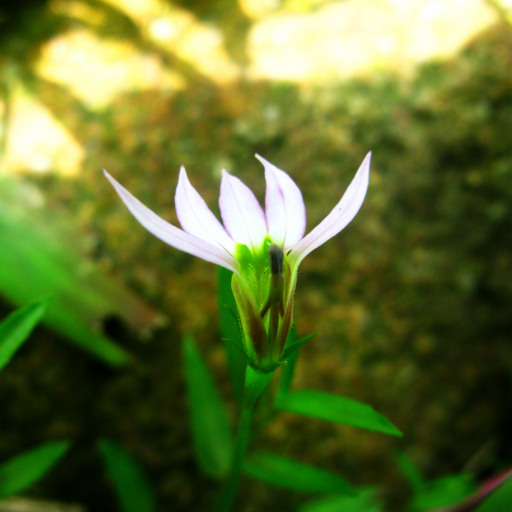
Known as the "Half-Side Lotus" in its native lands, Lobelia chinensis is a delicate, creeping perennial that looks as if a tiny pair of scissors neatly snipped its blossoms in two. Often found carpeting moist banks and rice paddies across East Asia, this plant is a favorite for water-side gardens and is deeply rooted in traditional herbal lore for its cooling properties.
🔍 How to Identify
- 🌸 One-Sided Flowers: The most striking feature—its five pale purple, pink, or white petals all fan out in one direction, creating a unique "half-flower" or fan-like appearance.
- 🌱 Creeping Stems: It grows as a low-lying groundcover with slender, prostrate stems that take root wherever they touch moist soil, allowing it to form dense mats.
- 🍃 Narrow Foliage: The leaves are small, narrow, and lance-shaped with slightly serrated edges, sitting alternately along the delicate green or reddish stems.
🏡 In Your Garden
- 💧 The Moisture Lover: This is a semi-aquatic spirit. It thrives in boggy soil or tucked into the muddy edges of a backyard pond; it will struggle and wither if the soil is allowed to dry out completely.
- ☀️ Sun and Shade: It performs best in full sun to partial shade. In hotter regions, providing afternoon shade is crucial to prevent its thin, tender leaves from scorching.
- 🏺 Containment Strategy: Because it spreads via creeping runners, it is an excellent choice for hanging baskets or wide, shallow pots where it can gracefully spill over the edges without taking over the entire garden bed.
⚠️ Safety & Toxicity
- 🚫 Toxic if Ingested: Like many members of the Lobelia family, this plant contains lobeline and other alkaloids. It should never be consumed without professional medical supervision.
- 🐾 Risk to Pets and Kids: If eaten by curious pets or children, it can cause severe nausea, vomiting, tremors, and dizziness. It is best planted in areas where it won't be mistaken for an edible herb.
✨ Fun Fact
In Traditional Chinese Medicine, this plant is known as Ban Bian Lian. It has a storied history of being used as a "field remedy" by travelers and farmers specifically to treat venomous snake bites and wasp stings!

Detailed Care Instructions
To grow Lobelia Chinensis plant, also known as Chinese lobelia, you can follow these steps:
- Choose a suitable location: Lobelia Chinensis prefers a sunny or partly shady location with well-draining soil. The soil should be moist but not waterlogged to prevent root rot.
- Prepare the soil: Loosen the soil in the planting area and remove any weeds or grass. Amend the soil with organic matter, such as compost or well-rotted manure, to improve drainage and nutrient content.
- Propagation: Lobelia Chinensis can be propagated from seeds or cuttings. If using seeds, sow them thinly on the prepared soil's surface, and then cover them lightly with a thin layer of soil. If using cuttings, take stem cuttings from a healthy plant and place them in a well-draining potting mix until they root.
- Watering: Keep the soil evenly moist, but avoid overwatering. Water the plants regularly, especially during dry spells or hot weather. Water at the base of the plant to avoid wetting the foliage, which may lead to fungal diseases.
- Fertilization: Feed Lobelia Chinensis with a balanced slow-release fertilizer or liquid fertilizer every few weeks during the growing season. This will help promote healthy growth and prolific flowering.
- Mulching: Apply a layer of organic mulch, such as shredded bark or compost, around the plants to help retain soil moisture, suppress weed growth, and regulate soil temperature.
- Pruning: Deadhead faded flowers regularly to encourage continuous blooming. Optionally, you can cut back the entire plant by half after the first flush of flowers to promote branching and a more compact growth habit.
- Pests and diseases: Keep an eye out for common pests like aphids, whiteflies, and slugs, which can damage Lobelia Chinensis. Treat these pests with organic insecticides or remove them manually. Also, ensure good air circulation to prevent fungal diseases like powdery mildew.
Following these guidelines should help you grow healthy and vibrant Lobelia Chinensis plants.

Place in a window with dappled sun or a spot in the middle of a room. Or directly in a window facing west or east.

Lobelia Chinensis plant requires regular and consistent watering to thrive. It is important to keep the soil moist, but not waterlogged. The best way to water this plant is to wait until the top inch of soil is dry to the touch, and then thoroughly water the soil until water drains out of the bottom of the pot or container. This will ensure that the roots receive enough moisture to grow and the plant remains healthy. It is also important to avoid getting water on the leaves or flowers of the plant, as this can cause damage or disease. To water the plant, slowly pour water onto the soil around the base of the plant, being careful not to disturb the roots. It is recommended to water Lobelia Chinensis plant once or twice a week during the growing season, and less frequently during the winter months when the plant is in a dormant phase.
To fertilize the Lobelia Chinensis plant, apply a general-purpose fertilizer every four to six weeks during the growing season. Make sure to follow the instructions on the fertilizer label and avoid over-fertilizing, as this can damage the plant. Additionally, water the plant well before and after fertilizing to prevent burning the roots.
The Lobelia Chinensis plant thrives best in well-draining soil with a slightly acidic to neutral pH level. It prefers soil that is moist but not waterlogged, as it is sensitive to root rot. A mixture of light loamy soil and organic matter such as compost or peat moss can provide the necessary nutrients and drainage for healthy growth. Avoid using heavy clay soils or soils that are too alkaline. Regular watering and fertilization can also help promote optimal growth.
Lobelia Chinensis is a perennial herbaceous plant that can be propagated through various methods such as seed propagation, division, and stem cutting propagation. Here's how to propagate the plant through stem cuttings:
- Choose a healthy stem from the plant that does not have any flowers or buds.
- Cut a 4-6 inch long section of the stem using a clean and sharp pair of sterilized pruning shears.
- Remove all the leaves from the lower half of the stem, leaving only a few leaves at the top.
- Dip the cut end of the stem in rooting hormone powder.
- Plant the stem cutting in well-draining soil or a rooting medium like perlite or vermiculite. Insert the stem about 1 inch deep into the soil and press the soil around the cutting to secure it in place.
- Water the cutting thoroughly and cover it with a plastic bag or a clear plastic container to keep the humidity levels high.
- Place the cutting in a bright spot with indirect sunlight, away from direct sunlight and hot temperatures.
- After a few days, check the cutting for roots by gently tugging on the stem. If there is resistance, it means the roots have formed and the cutting can be transplanted to a larger pot or garden bed.
- Gradually remove the plastic cover and allow the plant to adjust to the outdoor conditions.
With proper care and maintenance, the new plant will grow and thrive, producing beautiful flowers.








