Plant Overview
Known widely as "Espinosilla" or the "Mexican Loeselia," this vibrant native of Mexico is a storied fixture in both high-altitude scrublands and traditional markets. Deeply rooted in Mexican herbalism, it is often called the "hummingbird’s favorite" due to its nectar-rich, trumpet-shaped blooms. Whether it’s being used as a legendary hair tonic or an ornamental showstopper, it brings a wild, fiery energy to any landscape.
🔍 How to Identify
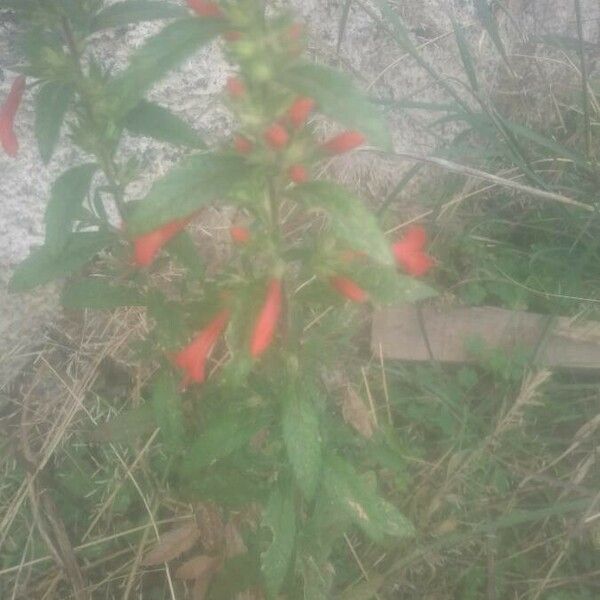
- 🌺 Tubular Blooms: The flowers are striking, narrow tubes ranging from bright scarlet to deep pink, usually appearing in clusters that flare at the tips to reveal delicate, protruding stamens.
- 🍃 Serrated Foliage: Its leaves are small, lance-shaped, and notably "toothed" or serrated along the edges, giving the plant a textured, slightly prickly appearance that earns it the name Espinosilla (little thorny one).
- 🌿 Bushy Habit: It typically grows as a multi-stemmed shrub, reaching about 2 to 3 feet in height, with a dense, twiggy structure that provides excellent cover for small garden visitors.
🏡 In Your Garden
- 🏜️ Drought Champion: Native to arid and semi-arid regions, this plant thrives on neglect. It requires exceptionally well-draining, rocky soil and prefers to dry out completely between waterings, making it perfect for xeriscaping.
- 🐦 Pollinator Magnet: The red, tubular shape of the flowers is evolutionary "eye candy" specifically designed for hummingbirds. Planting this is like installing a natural, self-filling bird feeder in your backyard.
⚠️ Safety & Toxicity
- 🟢 General Safety: Loeselia Mexicana is not known to be systemicially toxic to humans or common household pets like cats and dogs.
- 🧴 Skin Sensitivity: While it is traditionally used in hair washes, the sticky resins and fine hairs on the leaves can occasionally cause mild skin irritation for people with highly sensitive skin. Always wash your hands after pruning.
✨ Fun Fact
In Mexican tradition, Espinosilla is the "beauty secret" of the scrubland. For centuries, the leaves have been steeped in water to create a natural rinse believed to prevent hair loss, eliminate dandruff, and give hair a legendary shine.

Detailed Care Instructions
Loeselia mexicana, commonly known as the Mexican bluebell or the Mexican trumpet flower, is a beautiful perennial native to Mexico. Here are some tips for growing this plant successfully:
1. Location and Lighting
- Sunlight: Loeselia mexicana thrives in full sun to partial shade. It generally prefers full sun, so choose a location that receives 6-8 hours of direct sunlight daily.
- Growing Zone: It is best suited for USDA hardiness zones 9-11.
2. Soil Preparation
- Soil Type: Use well-draining soil. Loeselia mexicana prefers sandy or loamy soil that is rich in organic matter.
- pH Level: Aim for a slightly acidic to neutral pH, around 6.0 to 7.0.
3. Watering
- Frequency: Water the plant regularly, especially during dry periods, but avoid waterlogging, as too much moisture can cause root rot.
- Drought Tolerance: Once established, it is somewhat drought-tolerant, so you can reduce watering frequency.
4. Fertilizing
- Type: Use a balanced, slow-release fertilizer in the spring to encourage healthy growth. Follow the recommended dosage on the package.
5. Propagation
- You can propagate Loeselia mexicana through seeds or cuttings. If using seeds, sow them directly in the ground after the last frost or start them indoors a few weeks before transplanting.
6. Pruning
- Pruning helps maintain shape and encourages bushier growth. Remove spent flowers to promote more blooms and prevent the plant from going to seed early.
7. Pest and Disease Management
- Keep an eye out for common pests such as aphids or spider mites. You can use insecticidal soap or neem oil for treatment.
- Ensure proper air circulation around the plant to prevent fungal diseases.
8. Mulching
- Applying a layer of mulch can help retain moisture, suppress weeds, and maintain a more stable soil temperature.
9. Winter Care
- In cooler climates, protect the plant from frost by covering it or bringing potted plants indoors.
10. Harvesting
- If you intend to collect seeds or flowers for other uses, wait until they are fully mature before harvesting.
By following these guidelines, you should be able to successfully grow Loeselia mexicana and enjoy its vibrant blooms!

Place in a bright room that is sun drenched almost all day. Or directly in a south-facing window.

Loeselia mexicana, a member of the family Polemoniaceae, thrives in well-drained soil and requires careful attention to watering to ensure healthy growth. Here are some detailed guidelines on how to water this plant:
1. Soil Moisture Assessment: Before watering, check the moisture level of the soil. Insert your finger about 1 inch (2.5 cm) into the soil. If it feels dry at this depth, it's time to water; if it’s still moist, hold off on watering.
2. Watering Technique: When you do water, aim to do so thoroughly. Use a watering can or hose with a gentle spray to soak the soil evenly. Make sure the water reaches the root zone but avoid creating puddles on the surface.
3. Drainage: Ensure that the container or ground where the plant is situated has adequate drainage. This plant does not tolerate waterlogged conditions, which can lead to root rot. If in a pot, ensure there are drainage holes at the bottom.
4. Frequency: Watering frequency will depend on environmental conditions such as temperature, humidity, and the plant’s growth stage. During the growing season (spring and summer), you may need to water more frequently—possibly once a week. During dormancy (fall and winter), reduce watering.
5. Temperature Considerations: It's best to water during the early morning or late afternoon to minimize evaporation and allow the plant to absorb moisture effectively. Avoid watering during the hottest part of the day.
6. Quality of Water: Use room temperature water. Avoid using water that is too cold or hot, as it can shock the plant. If possible, use rainwater or distilled water to prevent the buildup of salts that can harm the plant over time.
7. Fertilization: If the plant is actively growing, consider using a diluted liquid fertilizer during watering every four to six weeks. This will support overall health and growth.
8. Observation: Continuously monitor the plant’s response to your watering regimen. Yellowing leaves may indicate overwatering, while wilting or brown leaf tips may suggest underwatering.
By following these guidelines, you can maintain the proper moisture balance for Loeselia mexicana, promoting healthy growth and vibrant blooms.
For fertilizing Loeselia Mexicana, follow these guidelines to ensure healthy growth and flowering:
- Fertilizer Type: Use a balanced, water-soluble fertilizer with equal parts of nitrogen (N), phosphorus (P), and potassium (K) or a fertilizer that emphasizes a higher phosphorus content to promote flowering. A 10-10-10 or 5-10-5 formulation is suitable.
- Dilution: Dilute the fertilizer to about one-quarter to one-half of the recommended strength on the label to prevent nutrient burn, especially during the active growing season.
- Frequency: Fertilize every 4-6 weeks during the growing season (spring and summer). In the fall and winter, reduce or halt fertilization as the plant enters its dormant phase.
- Application Method: Apply the diluted fertilizer solution directly to the soil around the base of the plant, avoiding contact with the foliage to minimize the risk of leaf burn.
- Watering: Water the plant thoroughly before and after applying fertilizer to help the roots absorb the nutrients effectively and to avoid any potential root damage.
- Soil Testing: Periodically check the soil for nutrient levels and pH. This can inform whether adjustments are necessary for fertilization practices.
- Organic Options: If preferred, consider using organic fertilizers such as compost, worm castings, or fish emulsion, applied at the beginning of the growing season, which can provide nutrients while improving soil health.
By following these guidelines, you can ensure optimal growth and flowering for your plant.
Loeselia mexicana thrives best in well-draining soil that closely mimics its natural habitat. To create an optimal substrate for this plant, consider the following characteristics:
- Texture: A mix that incorporates coarse materials is ideal. Use components such as perlite, pumice, or sand to enhance drainage. A combination of about 50-70% coarse material with finer components will provide sufficient aeration while retaining some moisture.
- Organic Matter: Incorporate organic matter to supply nutrients. A small percentage of peat moss, coconut coir, or well-rotted leaf mold can help maintain a slightly acidic to neutral pH level, which is preferred.
- pH Level: Aim for a soil pH between 6.0 and 7.0. This range supports optimal nutrient availability while preventing toxicity or deficiency of essential elements.
- Moisture Retention: Although good drainage is crucial, the soil should retain some moisture without becoming waterlogged. The organic matter will aid in achieving this balance.
- Nutrient Content: You may include a slow-release fertilizer mixed into the soil to provide essential nutrients over time. However, ensure that the nutrient concentration is not excessive, as this plant prefers moderate feeding.
- Soil Mix Recommendation: A suggested soil mix could involve:
- 40-50% potting soil (ensure it’s free of large clumps and is lightweight)
- 30-40% perlite or pumice
- 10-20% coarse sand or gravel
By following this soil composition guideline, you will create a conducive environment for the growth and health of Loeselia mexicana. Additionally, regular monitoring of moisture levels will help in preventing both overwatering and underwatering, which can be detrimental to the plant.
- 40-50% potting soil (ensure it’s free of large clumps and is lightweight)
To propagate Loeselia mexicana, you can use the following methods:
1. Seed Propagation
- Collect Seeds: Wait for the plant to mature and produce seeds. Once the seed pods are dry, carefully collect them.
- Prepare Soil: Use a well-draining seed-starting mix or a combination of perlite and potting soil.
- Sow Seeds: Lightly surface-sow the seeds on the prepared soil. Do not cover them deeply, as they require light to germinate.
- Moisten Soil: Lightly mist the surface to moisten the soil without making it soggy.
- Provide Light: Place the seed tray in a location with bright but indirect light or under grow lights.
- Maintain Moisture: Cover with a clear plastic lid or plastic wrap to maintain humidity, removing it periodically to prevent mold growth. Keep the soil consistently moist until germination occurs.
- Thin Seedlings: Once seedlings develop their first true leaves, thin them to prevent overcrowding.
2. Cutting Propagation
- Select Healthy Stem: Choose a healthy stem from the parent plant that has no signs of disease or damage.
- Make the Cut: Using sterilized scissors or pruners, take a cutting that is about 4 to 6 inches long. Ensure it has at least a couple of nodes (the points where leaves attach).
- Remove Lower Leaves: Strip the leaves from the lower half of the cutting to reduce moisture loss during rooting.
- Callus Formation (optional): Allow the cutting to dry for a few hours to form a callus over the cut end, which can help prevent rot once planted.
- Planting the Cutting: Dip the cut end in a rooting hormone (optional) and place it into a pot with a well-draining mix, either alone or in a slightly larger container to accommodate root growth.
- Water and Cover: Water the cutting lightly and cover it with a plastic bag or a propagation dome to maintain humidity.
- Provide Support: Keep the cutting in bright, indirect light. Avoid direct sunlight, which can overheat and scorch the cutting.
- Monitor Moisture: Check regularly to ensure the soil remains slightly moist but not soggy.
- Root Development: After a few weeks, gently tug on the cutting to see if it has developed roots.
3. Division (If Applicable)
- Timing: This method is suitable if the plant is clump-forming. The best time to divide is in the spring.
- Remove the Plant: Carefully uproot the plant from its pot or garden bed, trying not to damage the roots.
- Divide the Clump: Use clean, sharp tools to divide the clump into sections, ensuring that each section has roots and a few stems.
- Replant: Replant the divided sections immediately into well-draining soil and water thoroughly to settle the soil around the roots.
- Care for New Plants: Keep them in a shaded area until they establish themselves, gradually introducing them to brighter light conditions.
General Care After Propagation
- Light Conditions: The young plants should be kept in bright, indirect light to promote healthy growth.
- Watering: Allow the soil to dry out slightly between waterings, as overwatering can lead to root rot.
- Fertilization: After a few weeks, you can begin to use a diluted balanced fertilizer to support growth.
Using these methods, you can effectively propagate Loeselia mexicana and encourage healthy new plants.








