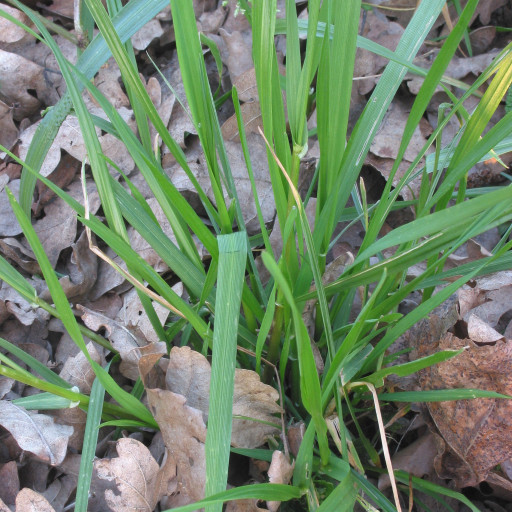
Plant Overview
Often called Italian Ryegrass, Lolium multiflorum is the high-energy athlete of the grass world. Native to the Mediterranean but now found across the globe, it is famous for its "green flash" growth speed, often appearing just days after sowing. Whether used as a temporary winter lawn or a nutritious snack for livestock, this grass is a vibrant, short-lived powerhouse.
🔍 How to Identify
- 🌾 The Seed Spike: Look for a long, slender central stem where the spikelets (the seed clusters) are attached edgewise directly to the stalk in an alternating pattern.
- ✨ Glossy Sheen: One of the easiest ways to spot it is by flipping a leaf over; the undersides are remarkably shiny, smooth, and light-reflective.
- 📏 Awned Seeds: Unlike its cousin, Perennial Ryegrass, the Italian variety features long, hair-like bristles (awns) extending from each tiny flower, giving the seed head a "whisker" look.
🏡 In Your Garden
- 🌱 The "Nurse" Crop: Because it germinates so rapidly, it is frequently used to stabilize soil and protect slower-growing, permanent grass seeds from being washed away by rain or eaten by birds.
- 🚜 Soil Improver: It has a vigorous, fibrous root system that works like a natural tiller, breaking up compacted soil and catching excess nitrogen before it can leach away into the groundwater.
- ✂️ Maintenance Note: It grows so fast that it can quickly overshadow other plants if not mowed regularly. It thrives in cool, moist conditions but will likely "melt" or go dormant during the peak heat of a dry summer.
⚠️ Safety & Toxicity
- 🐾 Pet Safe: Lolium multiflorum is generally non-toxic and is actually a common ingredient in "pet grass" kits for indoor cats and rabbits.
- 🍄 Ergot Warning: In wild or unmaintained fields, keep an eye on the seed heads for Ergot, a dark, horn-shaped fungus that can replace the seeds. This fungus is highly toxic if ingested by pets, livestock, or humans.
✨ Fun Fact
Italian Ryegrass is a master of efficiency; it can go from a tiny seed to a fully harvestable height in as little as 60 to 90 days, making it one of the fastest-growing temperate grasses on the planet!

Detailed Care Instructions
To grow Lolium Multiflorum (Italian ryegrass), follow these steps:
- Select an appropriate location: Choose an area with well-draining soil and full sun to partial shade. The plant can tolerate a wide range of soil types, but it thrives in fertile and moist soil.
- Prepare the soil: Ensure the soil is loose and free from weeds by tilling or digging it. Add organic matter like compost or well-rotted manure to improve fertility and drainage.
- Sow the seeds: Scatter the ryegrass seeds evenly over the prepared soil. The optimal seeding rate is about 20-25 pounds per acre, but adjust according to your area and desired density. Alternatively, you can mix the seeds with sand to aid in even distribution.
- Cover the seeds: Use a rake to lightly cover the seeds with a thin layer of soil or compost. Press it down gently to ensure good seed-to-soil contact.
- Water the area: After sowing, water the area thoroughly to keep the soil moist. Water regularly, especially during dry periods, to maintain consistent moisture levels for optimum growth.
- Fertilize if needed: Conduct a soil test to determine any nutrient deficiencies and apply fertilizer accordingly. Typically, ryegrass responds well to nitrogen-rich fertilizers.
- Maintain proper care: Once the ryegrass germinates, keep the soil moist but avoid overwatering. Regularly monitor the plants for pests and diseases and take appropriate measures if needed. Mow the ryegrass regularly to maintain a desirable height of around 3-4 inches.
- Harvest or cut back: Depending on your purpose for growing ryegrass, you can either harvest it for forage or allow it to reseed itself. If you want to harvest, cut the plants when they reach the desired growth stage, usually before the seed heads fully form. For reseeding, allow the plants to become fully mature and produce seeds.
Remember to check your specific region's climate and growing conditions to ensure the optimal timing for sowing and caring for your Lolium Multiflorum plant.

Place in a bright room that is sun drenched almost all day. Or directly in a south-facing window.

To water this plant, ensure that the soil is moist but not waterlogged. Water regularly and evenly, making sure not to let the soil dry out completely before watering again. Avoid getting water on the leaves and focus on watering the soil around the base of the plant. Use a watering can with a narrow spout or a hose with a gentle spray setting to water the plant. Check the soil moisture regularly by inserting your finger a few inches into the soil. If it feels dry, it's time to water.
- Start by choosing a high-quality fertilizer suitable for grass plants or general-purpose fertilizers enriched with nitrogen (N), phosphorus (P), and potassium (K).
- Before applying the fertilizer, ensure that the soil is slightly moist.
- Measure the appropriate amount of fertilizer according to the package instructions.
- Begin spreading the fertilizer evenly across the planting area, using a handheld spreader or broadcast spreader.
- Avoid applying the fertilizer too close to the base of the plants, as it may cause damage.
- Lightly water the area after fertilizing to help the nutrients penetrate the soil.
- Repeat the fertilization process every 4-6 weeks during the growing season, typically from spring to fall, to maintain healthy growth.
- Monitor the grass closely for any signs of nutrient deficiencies, such as yellowing or stunted growth. Adjust the fertilizer application accordingly if necessary.
- Remember to follow safety guidelines and always wear protective gloves and clothing when handling and applying fertilizers.
Lolium Multiflorum, a flowering grass plant, grows best in soils that are well-draining and rich in nutrients. The ideal soil type for this plant is a loamy soil that is composed of a mixture of sand, silt, and clay. A soil pH range of 6.0 to 7.5 is good for Lolium Multiflorum. The soil must be well-structured with good moisture-holding capacity, enabling it to hold enough water without becoming waterlogged. The soil must also have good aeration to facilitate root respiration. Adding organic matter to the soil improves its quality and nutrient content, promoting healthy plant growth.
It is important to note that the type of soil to use for Lolium Multiflorum may vary based on factors such as climate, temperature, and rainfall. Therefore, it is recommended to perform a soil test to determine the soil type, characteristics, and nutrient content before planting this grass. This will enable a soil assessment and proper preparation to ensure healthy plant growth.
Lolium multiflorum is a plant species that can be propagated through several methods. Here is a detailed guide on how to propagate this plant:
- Collect Seeds: One way to propagate Lolium multiflorum is by collecting mature seeds from the plant. Wait for the seed heads to dry out and turn brown. Cut the seed heads and place them in a paper bag to collect the seeds. Ensure that the seeds are fully ripe before harvesting.
- Seed Preparation: After collecting the seeds, you can improve the germination rate by scarifying or stratifying them. Scarification involves scratching or scoring the seed coat to allow water to penetrate, while stratification involves exposing the seeds to cold temperatures to break their dormancy. Research the specific requirements of Lolium multiflorum seeds to determine if any of these methods are necessary.
- Sowing Seeds: Once the seeds have been prepared, you can sow them either indoors or directly in the garden. Start by filling seed trays or pots with well-draining soil. Moisten the soil before evenly spreading the seeds on the surface. Lightly press the seeds into the soil, ensuring good seed-to-soil contact.
- Germination: Lolium multiflorum requires exposure to sunlight for germination. If sowing indoors, place the seed trays in a well-lit area or provide artificial lighting. Maintain consistent moisture in the soil by misting it regularly. Germination typically occurs within two to three weeks.
- Transplanting: Once the seedlings have developed a few sets of true leaves, they can be transplanted into larger containers or directly into the garden. If transplanting into the garden, ensure that the soil is well-prepared with organic matter and free from weeds. Space the seedlings according to the recommended distance for Lolium multiflorum.
- Care and Maintenance: Provide regular watering to the transplanted seedlings to encourage strong root development. Weed around the plants to reduce competition for nutrients and space. Fertilize the plants as needed, following the instructions for the specific fertilizer used. Monitor for pests and diseases and take appropriate action if necessary.
- Harvesting Seeds: If you want to propagate Lolium multiflorum further, allow the plants to reach maturity and produce seeds. The seeds will turn brown and become dry. Harvest the seed heads by cutting them and placing them in a paper bag. Store the seeds in a cool, dry place for future propagation or sharing with others.
Remember, propagation methods can vary depending on the plant species, so it is essential to research the specific needs of Lolium multiflorum before attempting any propagation techniques.








