Plant Overview
Known in its native lands as "Palo de Sangre" (Bloodwood) or the Guatemalan Lancepod, this tree is a true showstopper of the Central American tropical forests. When in bloom, it transforms into a breathtaking cloud of lavender-purple, pea-like flowers that attract a symphony of bees and butterflies. It is a resilient member of the legume family, often used in landscaping to provide dappled shade and a burst of seasonal color.
🔍 How to Identify
- 🌸 The Blooms: Features dense clusters of small, fragrant flowers that range from pale lilac to deep violet, shaped like classic sweet peas.
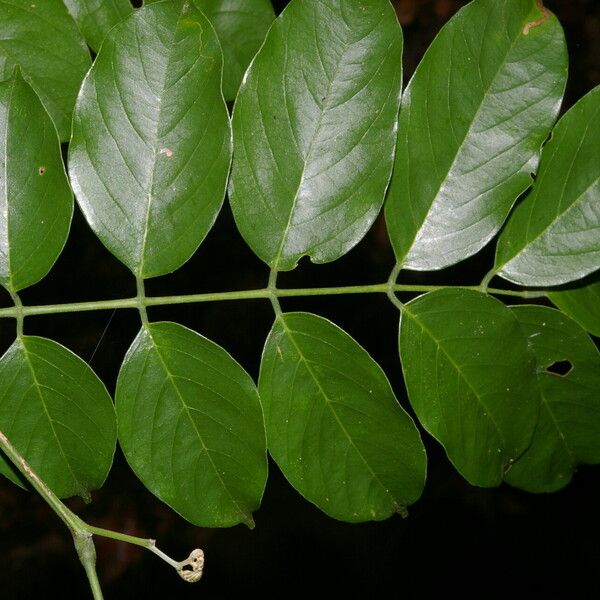
- 🍃 Leaf Structure: Possesses compound, "pinnate" leaves (resembling a feather) with several pairs of oval leaflets and one terminal leaflet at the tip.
- 🪵 The Pods: After flowering, it produces flat, woody, lance-shaped seed pods that turn a dusty brown as they mature.
🏡 In Your Garden
- 🌱 Soil Enrichment: As a member of the Fabaceae family, this plant has a symbiotic relationship with soil bacteria to "fix" nitrogen, actually improving the nutrient quality of the earth it sits in.
- ☀️ Sun & Space: This is a sun-lover that requires plenty of vertical room; it hates being crowded by taller structures and thrives best when given a prominent, sunny spot to stretch its canopy.
⚠️ Safety & Toxicity
- 🐾 Mild Toxicity: While not typically dangerous to touch, parts of the plant (especially seeds and roots) contain rotenone, a natural chemical used historically to stun fish.
- 🚫 Keep Away From Ponds: Because of the rotenone content, you should avoid planting it directly over koi ponds or sensitive aquatic ecosystems, as falling debris could potentially harm fish.
✨ Fun Fact
In various Central American cultures, the bark and roots of Lonchocarpus species were traditionally used for "barbasco"—a fishing method where crushed plant material is tossed into water to temporarily sedate fish, making them easy to catch by hand without being permanently poisoned!

Detailed Care Instructions
To grow Lonchocarpus Guatemalensis plant, follow these steps:
- Climate and location: Determine if the climate in your region is suitable for the plant. Lonchocarpus Guatemalensis prefers tropical or subtropical climates. They thrive in USDA hardiness zones 9-11. Ensure the location receives partial shade to full sun.
- Seed collection: Obtain seeds from a reputable supplier or collect them from mature pods of an existing plant. Seeds should be brown and fully mature.
- Soil preparation: Prepare well-draining soil with organic matter to enhance fertility and moisture retention. Lonchocarpus Guatemalensis prefers fertile soil with a slightly acidic to neutral pH.
- Sowing seeds: Soak the seeds in water overnight to soften the hard seed coat. Plant the seeds about 1 inch deep in the soil, spaced at least a few feet apart to provide ample growth space.
- Watering: Keep the soil evenly moist but not waterlogged. Regularly water the plant, especially during dry periods. Avoid letting the soil dry out completely.
- Mulching: Apply a layer of organic mulch around the base of the plant to conserve moisture, suppress weed growth, and moderate soil temperature.
- Pruning: As the plant grows, remove any dead or damaged branches to promote healthy growth. Regularly prune to maintain the desired shape.
- Fertilization: Apply a balanced slow-release fertilizer in the spring to provide essential nutrients for growth. Follow the manufacturer's guidelines for dosage.
- Pest and disease control: Monitor the plant for any signs of pests or diseases. Common issues may include aphids, mealybugs, or fungal infections. Use appropriate organic insecticides or fungicides as necessary.
- Support: If the Lonchocarpus Guatemalensis plant begins to vine or climb, provide a support structure such as a trellis.
- Propagation: Lonchocarpus Guatemalensis can also be propagated through stem cuttings. Take a healthy cutting with multiple leaves and dip the cut end in rooting hormone before planting it in a pot with a well-draining soil mix. Place the pot in a warm, humid location and keep the soil consistently moist until roots develop.
Remember to consult local gardening resources and experts for specific guidance tailored to your region's conditions.

Place in a bright room that is sun drenched almost all day. Or directly in a south-facing window.

To properly water Lonchocarpus guatemalensis, follow these guidelines:
1. Understand the watering needs: Lonchocarpus guatemalensis plants generally prefer moist but well-drained soil. It is essential to mimic the plant's natural habitat by providing appropriate moisture levels.
2. Soil assessment: Before watering, assess the soil moisture level. Insert your finger about an inch deep into the soil near the plant's base. If it feels dry, it's time to water. If it is still slightly moist, wait for a few more days before watering again.
3. Watering frequency: Lonchocarpus guatemalensis plants usually require watering once or twice a week during dry spells or periods of low rainfall. However, the frequency may vary depending on factors such as climate, temperature, and humidity.
4. Watering technique: To water effectively, use a gentle watering method to avoid damaging the plant's root system. Consider using a watering can or a gentle spray nozzle on a garden hose to provide a slow and steady flow of water directly at the base of the plant. This allows the water to penetrate the soil and reach the roots without overwhelming the plant.
5. Amount of water: Aim to moisten the top few inches of the soil without causing waterlogging. It is crucial to prevent overwatering as it can lead to root rot and other plant health issues. Generally, providing enough water to saturate the soil around the plant and allow it to drain adequately is sufficient.
6. Mulching: Applying a layer of organic mulch around the base of the plant can help retain moisture in the soil, reduce evaporation, and regulate soil temperature. This can assist in conserving water and ensuring a favorable growing environment for Lonchocarpus guatemalensis.
7. Monitoring: Keep a close eye on the plant's response to watering. If it exhibits signs of overwatering, such as yellowing leaves, wilting, or fungal growth, reduce the frequency or amount of water. On the other hand, if the plant appears thirsty, with drooping leaves and dry soil, increase the watering frequency.
Remember, it is always essential to consider the specific conditions and needs of your Lonchocarpus guatemalensis plant. Adjust your watering routine accordingly to promote healthy growth and avoid any water-related problems.
- Choose a well-draining potting mix: Lonchocarpus guatemalensis prefers a soil mix that is well-draining to avoid waterlogged roots. Select a potting mix specifically designed for houseplants or create your own blend by combining equal parts peat moss, perlite, and potting soil.
- Select an appropriate container: Use a pot or container that has drainage holes at the bottom to ensure excess water can escape. The size of the container should be suitable for the plant's current root system, with some room for growth.
- Apply a balanced fertilizer: Begin fertilizing the Lonchocarpus guatemalensis plant around 2 to 3 months after planting. Use a balanced liquid fertilizer with an equal ratio of nitrogen (N), phosphorus (P), and potassium (K). Follow the instructions on the fertilizer packaging for the proper dilution ratio.
- Feed regularly during the growing season: During the active growth period, typically spring and summer, fertilize every two to four weeks. Mix the appropriate amount of fertilizer into a watering can filled with water and water the plant thoroughly until excess water drains out the bottom of the pot.
- Adjust fertilization frequency in winter: Decrease the frequency of fertilization in the winter months, typically once every six to eight weeks. Lonchocarpus guatemalensis enters a period of dormancy during this time, and slower growth requires less frequent feeding.
- Avoid excessive fertilizer application: Over-fertilizing can lead to nutrient burn or damage to the plant's sensitive roots. Always follow the recommended dosage provided by the fertilizer manufacturer, and remember that it is better to under-fertilize than over-fertilize.
- Water the plant before fertilizing: It is important to water the plant thoroughly before applying fertilizer. This helps prevent the roots from getting burned by the concentrated nutrients and ensures even distribution of the fertilizer solution throughout the root system.
- Monitor plant response: Keep an eye on the plant's overall health and growth. If you notice any signs of fertilizer burn (yellowing or browning leaves, wilting) or stunted growth, consider reducing the frequency or strength of the fertilizer application.
Remember to observe and adjust fertilization practices based on the specific needs of your Lonchocarpus guatemalensis plant. If in doubt, consult a local gardening expert for personalized advice.
The Lonchocarpus Guatemalensis plant, referred to using its scientific name, is a species that requires specific soil conditions to thrive. It is important to select a soil type suitable for this plant to ensure its healthy growth.
The ideal soil for the Lonchocarpus Guatemalensis plant is well-draining and should have good moisture retention capabilities. The soil should not remain waterlogged, as excessive moisture may lead to root rot and other diseases.
The pH level of the soil should be slightly acidic to slightly alkaline, preferably ranging between 6.0 to 7.5. This range allows the plant to absorb nutrients effectively and promotes optimal growth.
In terms of texture, the soil should be a loamy mix, providing a balanced combination of sand, silt, and clay. This type of soil allows for proper aeration and nutrient circulation, ensuring the plant's root system remains healthy.
To enhance soil fertility, adding organic matter or compost can be beneficial. This boosts nutrient content and increases the soil's ability to retain moisture, which is particularly useful during dry periods.
Additionally, it is important to avoid using heavy clay soils or those which are primarily made up of sand. Heavy clay soils tend to compact, restricting root growth and preventing proper drainage. On the other hand, sandy soils have poor water and nutrient retention capacities.
Overall, selecting a well-draining, slightly acidic to slightly alkaline loamy soil is crucial for the successful cultivation of the Lonchocarpus Guatemalensis plant.
To propagate Lonchocarpus Guatemalensis, also known as Guatemalan fish poison bean, one can follow the steps mentioned below:
- Selecting a healthy parent plant: Choose a mature, healthy Lonchocarpus Guatemalensis plant to serve as the parent plant for propagation. Look for a plant with strong stems, vibrant foliage, and disease-free appearance.
- Collecting seeds: Lonchocarpus Guatemalensis can be propagated through seeds. Allow the plant to produce blooms and form seed pods. The pods will turn brown and dry when they are ready for harvest. Collect the pods directly from the plant and extract the seeds.
- Preparing the seeds for germination: Once the seeds are collected, it is recommended to scarify them. This can be done by gently rubbing the seeds with sandpaper or nicking them with a sharp knife. This process helps to break the seed coat and allows for better water penetration during germination.
- Sowing the seeds: Fill small pots or seed trays with a well-draining potting mix. Place the Lonchocarpus Guatemalensis seeds on top of the soil and lightly press them down, ensuring good contact with the soil. Keep in mind that the seedlings may require some space to grow, so it is advisable to place one or two seeds per pot or tray.
- Providing suitable conditions: Lonchocarpus Guatemalensis seeds need warm and moist conditions to germinate successfully. Place the pots or trays in a warm location, preferably around 77-86°F (25-30°C). Maintain a consistently moist but not waterlogged soil by misting or lightly watering the seeds regularly.
- Transplanting seedlings: Once the seedlings have developed a few sets of leaves and are sturdy enough to handle, they can be transplanted into individual pots. Use a well-draining potting mix and ensure that the soil remains evenly moist.
- Caring for the propagated plants: Keep the young Lonchocarpus Guatemalensis plants in a warm and bright location, but protect them from direct sunlight, as this can cause sunburn. Water the plants regularly, making sure to maintain consistent moisture levels. Avoid overwatering, as it may lead to root rot. Fertilize the plants with a balanced liquid fertilizer according to the instructions.
- Hardening off and planting in the desired location: After the plants have grown to a suitable size and the risk of frost has passed, gradually expose them to outdoor conditions. This process is called hardening off and helps the plants adjust to the external environment. Once the plants are acclimatized, they can be planted in their final location in well-draining soil or a suitable container.
Overall, propagating Lonchocarpus Guatemalensis from seeds requires patience and consistent care. It is essential to provide the correct temperature, moisture, and lighting conditions to ensure successful germination and growth.








