Plant Overview
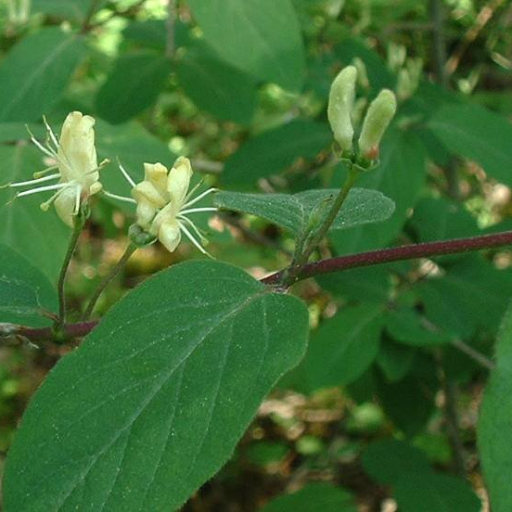
Often referred to as the Fly Honeysuckle, this deciduous shrub is a staple of European woodlands and old-fashioned hedgerows. Unlike its climbing cousins that twist around trellises, Lonicera xylosteum stands tall as a bushy, upright shrub. It is best known for its "twin" flowers and pairs of translucent red berries that look like tiny rubies scattered among the foliage.
🔍 How to Identify
- 🍃 The Leaves: The grayish-green leaves are oval-shaped and notably "fuzzy" or pubescent on both sides, giving them a soft, matte texture rather than a shiny one.
- 🌼 The Flowers: In late spring, small, creamy-white or pale yellow flowers emerge. They always grow in pairs from the leaf axils and have a distinct two-lipped shape.
- 🍒 The Berries: By late summer, the plant produces bright red, glossy berries. These berries almost always appear in pairs and are sometimes joined at the base, looking like a set of tiny lungs or cherries.
🏡 In Your Garden
- 🌱 Shade Tolerance: This is a "woodland edge" plant. It is exceptionally good at handling deep shade where other shrubs might fail, making it a great choice for those tricky, dark corners of a backyard.
- ✂️ Growth & Pruning: It has a naturally sprawling, leggy habit. If you are growing it for a hedge, it requires regular "heading back" to encourage thicker growth, as the wood is remarkably tough and can become brittle with age.
⚠️ Safety & Toxicity
- 🚫 Status: Toxic if ingested.
- 🐾 Details: While birds love the berries, they are poisonous to humans, dogs, and cats. Ingesting the fruit can lead to abdominal pain, vomiting, and a rapid heartbeat. Because the berries look like bright red candies, extra care should be taken in gardens where small children play.
✨ Fun Fact
The species name xylosteum translates literally to "bonewood." This refers to the plant's incredibly hard, dense inner wood, which was historically used in Europe to craft durable tool handles, skeletal frames, and even teeth for wooden rakes.

Detailed Care Instructions
To grow Lonicera xylosteum, also known as Fly Honeysuckle or Dwarf Honeysuckle, follow these steps:
- Choose a suitable location: Lonicera xylosteum prefers full sun to partial shade. Select a spot in your garden that receives at least 6 hours of direct sunlight daily.
- Prepare the soil: The plant thrives in well-draining soil that is rich in organic matter. Prior to planting, amend the soil with compost or well-rotted manure to improve its fertility and drainage.
- Propagation: You can propagate Lonicera xylosteum through seeds or hardwood cuttings in the late autumn or early winter. Collect the seeds or take cuttings from an established plant.
- Sowing seeds: If propagating from seeds, sow them in a seed-starting tray filled with moist seed-starting mix. Cover the seeds with a thin layer of soil and keep them in a warm location. Seeds will germinate in 2-4 weeks. Transplant the seedlings into individual pots once they have developed a few sets of true leaves.
- Hardwood cuttings: If propagating from hardwood cuttings, select healthy stems that are 12-18 inches long and remove any leaves from the bottom half. Dip the cut end in hormone rooting powder and insert it into a pot filled with a mixture of equal parts of potting soil and sand. Keep the pot in a sheltered outdoor location or a cold frame.
- Planting: Once the seedlings or rooted cuttings are large enough to handle, plant them in their permanent location in the garden. Dig a hole slightly larger than the root ball and place the plant in it. Backfill with soil, gently firming it around the roots. Water thoroughly.
- Watering and care: Keep the soil consistently moist but not waterlogged, especially during dry periods. Water deeply rather than shallowly to encourage deep root growth. Mulching around the plant will help retain moisture and suppress weeds. Use organic mulch like wood chips or straw.
- Pruning: Lonicera xylosteum responds well to pruning. Regularly remove dead or damaged branches. You can also prune to shape the plant or reduce its size. Prune it after flowering to promote healthy growth and better flowering the following year.
- Fertilization: Apply a balanced slow-release fertilizer in the early spring to provide necessary nutrients for the plant's growth. Follow the instructions on the fertilizer packaging for the correct application rate.
- Protection: Monitor the plant for any signs of pests or diseases, such as aphids or powdery mildew, and take appropriate measures to control them.
By following these steps, you can successfully grow Lonicera xylosteum in your garden.

Place in a window with dappled sun or a spot in the middle of a room. Or directly in a window facing west or east.
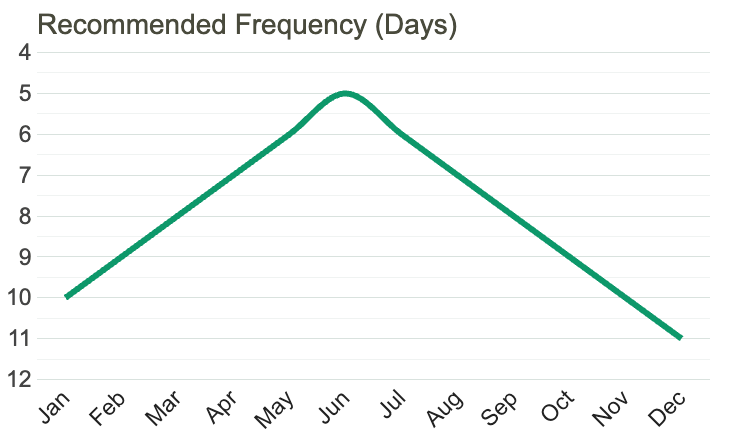
The plant requires regular watering, ensuring that the soil is consistently moist but not waterlogged. It is important to avoid watering the plant from overhead, as this can promote the growth of fungal diseases. Instead, water should be directed towards the base of the plant using a watering can or drip irrigation system. The plant should be watered deeply but infrequently, allowing the soil to dry out slightly between watering sessions. The frequency of watering will depend on various factors, such as the soil type, weather conditions, and growth stage of the plant. It is important to monitor the plant regularly and adjust the watering schedule accordingly. Additionally, adding a layer of organic mulch around the base of the plant can help to retain moisture in the soil and promote healthy growth.
To fertilize this plant, apply a balanced fertilizer once in early spring and once in mid-summer. Make sure to follow the instructions on the packaging for the proper amount to apply. Water the plant thoroughly after applying the fertilizer. Avoid fertilizing in the fall or winter, as this can encourage new growth that may be damaged during cold weather.
Lonicera Xylosteum plant prefers a well-draining soil that is rich in organic matter and nutrients. The soil should have a pH range of 5.5 to 7.5 and be slightly acidic to neutral. A loamy soil that is composed of equal parts of sand, silt, and clay is ideal for this plant. The soil should be able to retain moisture, but not be waterlogged. The addition of compost, leaf mold, or other organic matter will improve the soil's quality and provide essential nutrients. It is also important to provide adequate drainage for the plant to avoid root rot and other soil-borne diseases. The plant requires regular watering, especially during the growing season, but it should not be overwatered. Overall, a well-draining, nutrient-rich soil that retains moisture and has good drainage is ideal for healthy growth of Lonicera Xylosteum plant.
To propagate this plant, take semi-hardwood cuttings in autumn and treat them with rooting hormone. Remove the bottom leaves and plant the cuttings in a well-draining soil mix. Keep the soil moist and place the cuttings in a warm, bright area but out of direct sunlight. After about 6-8 weeks, check for root growth by gently tugging on the cuttings. Once they have established roots, transplant them to individual pots and keep them in a sheltered location until they are well established.