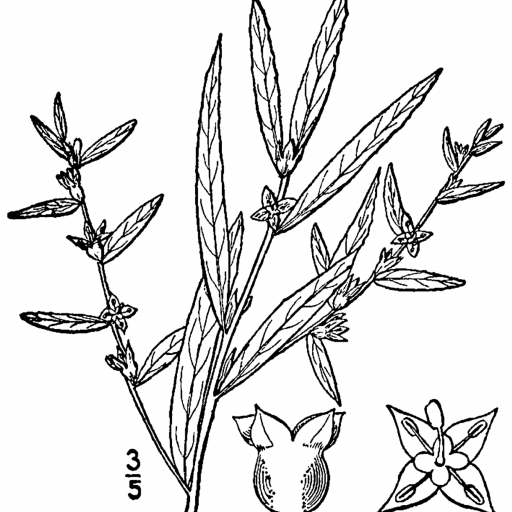
Plant Overview
Often called the "Globe-fruited Ludwigia," this North American native is a crown jewel for high-end aquascaping. While many Ludwigia species grow tall and spindly, this rare beauty stays dense and sculptural, shimmering with shades of burnt orange, copper, and bronze. It is widely considered a "Holy Grail" plant for enthusiasts looking to add unique texture to an underwater landscape.
🔍 How to Identify
- 🌿 Growth Form: Unlike its leggy cousins, it forms a dense, almost succulent-like rosette when grown submerged, creating a "bushy" appearance.
- 🎨 Leaf Color: The foliage shifts from a dusty olive green to a vibrant metallic bronze or deep sunset orange when provided with intense lighting.
- 🔮 The Fruit: Its name sphaerocarpa refers to the distinctive, tiny spherical seed capsules that form where the leaves meet the stem.
🏡 In Your Garden & Tank
- 💡 Light & Iron: To achieve those famous metallic colors, this plant demands high-intensity light and supplemental iron. Without enough light, it will lose its compact shape and turn a dull green.
- 🧪 The CO2 Factor: This is a demanding species. It requires steady CO2 injection and a nutrient-rich substrate to prevent the lower leaves from "melting" or falling off.
- ✂️ Slow & Steady: It grows significantly slower than other Ludwigia species. While this means you won't have to prune it every week, it also means it takes longer to recover if conditions aren't perfect.
⚠️ Safety & Toxicity
- ✅ Safe Status: Ludwigia sphaerocarpa is non-toxic and completely safe for fish, dwarf shrimp, and aquatic snails.
- 🐈 Household Pets: While the plant itself is safe, the high-strength liquid fertilizers often used to grow it should be kept out of reach of curious cats or dogs who might try to drink from the aquarium.
✨ Fun Fact
Native to the wetlands and bogs of the Eastern United States, this plant is a "hardy" survivor in the wild, often growing emersed (above water) in muddy banks where it looks like a completely different, nondescript green weed!

Detailed Care Instructions
To grow Ludwigia Sphaerocarpa, also known as Creeping Primrose-Willow, follow these steps:
- Choose a suitable location: Ludwigia Sphaerocarpa can be grown in both indoor and outdoor settings. It prefers full sunlight to partial shade.
- Select a container or prepare a pond: If you are growing it indoors, choose a container with good drainage. If growing outdoors, consider planting it in a pond or a suitable water garden.
- Plant the Ludwigia Sphaerocarpa: For container planting, use a rich, loamy soil mix. Plant the stems into the soil with the lower leaves removed. If planting in a pond or water garden, simply submerge the stems in the water, ensuring they are well-rooted.
- Watering: Ludwigia Sphaerocarpa requires consistent watering to maintain moisture levels. Keep the potting soil or water around the plant evenly moist but not waterlogged.
- Fertilization: Provide regular fertilization by adding a balanced aquatic plant fertilizer to the water or soil every two to four weeks during the growing season.
- Pruning: Regularly trim the plant to control its growth and encourage bushier growth. Keep in mind that Ludwigia Sphaerocarpa is an invasive species in some regions, so be cautious not to let it escape and harm native habitats.
- Winter care: If growing outdoors in a cold climate, bring the plant indoors before the first frost, as it is not frost-tolerant. Maintain a warm indoor temperature during winter and reduce watering frequency.
- Propagation: Ludwigia Sphaerocarpa can be propagated through stem cuttings. Simply cut a healthy stem, remove the lower leaves, and place it in a suitable growing medium. Keep the medium moist until roots develop.
Remember to check if the plant is suitable for your region and follow any regional regulations regarding invasive species.

Place in a bright room that is sun drenched almost all day. Or directly in a south-facing window.

Ludwigia Sphaerocarpa is a semi-aquatic plant that requires adequate hydration to thrive and grow. Here are some guidelines on how to water this plant effectively:
1. Container selection: Choose a suitable container for your Ludwigia Sphaerocarpa plant. The container should be made of a non-toxic material and have drainage holes to prevent waterlogging.
2. Water quality: Ludwigia Sphaerocarpa prefers clean, non-chlorinated water. Chlorine can be harmful to the plant, so using filtered or treated water is recommended. If tap water is used, allow it to sit for 24 hours to let the chlorine evaporate.
3. Watering frequency: Ludwigia Sphaerocarpa requires consistent moisture. Monitor the soil's moisture level regularly and water the plant when the top inch of the soil feels dry. Avoid overwatering, as it may lead to root rot.
4. Watering techniques: When watering, pour water slowly and evenly around the base of the plant. Ensure the water penetrates the soil and reaches the roots. It is important to avoid splashing water on the leaves or flowers, as it can cause damage or the spread of diseases.
5. Water temperature: Ludwigia Sphaerocarpa prefers slightly warm water, similar to the temperature in its natural habitat. Avoid using extremely cold or hot water to prevent shocking the plant's roots.
6. Humidity: Maintaining a moderately humid environment is beneficial for Ludwigia Sphaerocarpa. To increase humidity levels around the plant, you can place a tray filled with water nearby or use a humidifier.
7. Drying between watering: Allow the soil to dry slightly between watering sessions to prevent waterlogged conditions. This will provide enough oxygen to the roots and prevent the onset of root rot.
8. Seasonal adjustments: During different seasons, the water requirements of Ludwigia Sphaerocarpa may vary. In summer, when evaporation is higher, you may need to water the plant more frequently. In winter, reduce the watering frequency, as the plant's growth rate slows down.
Remember to take into consideration the specific needs of Ludwigia Sphaerocarpa when watering, such as its preference for clean water and moderate humidity. By following these guidelines, you can help ensure the health and vitality of this unique plant.
To fertilize Ludwigia Sphaerocarpa, follow these instructions:
- Choose a balanced liquid aquarium fertilizer or a slow-release fertilizer specifically formulated for aquatic plants.
- Dilute the fertilizer according to the package instructions or as recommended for aquarium use.
- Add the recommended amount of fertilizer to the water in your aquarium or pond.
- Ensure that the fertilizer is evenly distributed throughout the water column.
- Avoid applying excessive amounts of fertilizer, as it may lead to nutrient imbalances and algae growth.
- Monitor the plant's health and growth rate after fertilization.
- Adjust the fertilization frequency and amount based on the plant's response and nutrient requirements.
- Regularly test the water parameters, such as nitrate and phosphate levels, to ensure optimal nutrient balance.
- If using a slow-release fertilizer, follow the instructions for the specific product regarding placement and frequency of application.
- Observe the plant's leaves for signs of nutrient deficiencies, such as yellowing or stunted growth. Adjust the fertilizer regimen accordingly to address any deficiencies.
Ludwigia Sphaerocarpa is a species of aquatic plant that requires specific soil conditions to thrive. When cultivating Ludwigia Sphaerocarpa, it is essential to select the appropriate soil type to meet its unique needs.
The ideal soil for Ludwigia Sphaerocarpa is a nutrient-rich substrate with a medium to fine texture. It should have good water retention capabilities while allowing for adequate drainage to prevent waterlogging. The soil should not compact easily, as this may impede root growth and lead to poor plant health.
A pH-neutral to slightly acidic soil is preferable for Ludwigia Sphaerocarpa, with a range between 6.5 and 7.5 being ideal. This pH range ensures that nutrients are readily available for absorption by the plant's roots. The soil should also provide a sufficient amount of essential nutrients, particularly nitrogen, phosphorus, and potassium, to support healthy growth and development.
Additionally, Ludwigia Sphaerocarpa benefits from the presence of organic matter in the soil. Organic matter improves soil structure, enhances nutrient availability, and promotes beneficial microbial activity. Therefore, incorporating compost, leaf litter, or well-rotted manure into the soil can boost the plant's overall vitality.
To summarize, Ludwigia Sphaerocarpa thrives in a nutrient-rich, medium to fine-textured soil with good water retention and drainage. It prefers a slightly acidic to neutral pH range and benefits from the presence of organic matter in the soil. Proper soil preparation is crucial for ensuring the healthy growth and development of Ludwigia Sphaerocarpa.
Propagation of Ludwigia Sphaerocarpa can be done through various methods, including stem cuttings, seed propagation, and division.
Stem cuttings are commonly used to propagate Ludwigia Sphaerocarpa. Begin by selecting a healthy stem from an established plant. Cut a section of the stem that is around 3-4 inches long, making sure to cut just below a node. Remove any leaves from the lower part of the stem, leaving only a few leaves at the top. Place the cutting in a container filled with nutrient-rich soil or water, ensuring that at least two nodes are submerged. Keep the cutting in a warm and humid environment with indirect light. Within a few weeks, roots and new shoots should start to develop, indicating successful propagation.
Seed propagation is another way to propagate Ludwigia Sphaerocarpa. Collect mature seeds from the plant and sow them directly into a container filled with a well-draining soil mix. Press the seeds gently into the soil, cover them lightly with a thin layer of soil, and sprinkle some water over the top. Maintain moist soil conditions and place the container in a warm area with indirect sunlight. Germination usually occurs within a couple of weeks, and seedlings can be transplanted once they develop a few sets of true leaves.
Lastly, Ludwigia Sphaerocarpa can be propagated through division, although this method is less common. Carefully remove the plant from the pot or ground, ensuring that the root ball remains intact. Gently separate the plant into two or more sections, making sure each section has enough roots and healthy stems. Plant each divided section in a separate container or area of the garden, ensuring that they receive adequate sunlight and moisture for optimal growth.
Regardless of the propagation method chosen, it is important to provide proper care and maintenance to the newly propagated Ludwigia Sphaerocarpa plants. This includes regular watering, adequate sunlight, and the application of fertilizers as needed. With proper care, the plants should grow and thrive, adding beauty to any aquatic or moist environment in which they are planted.








