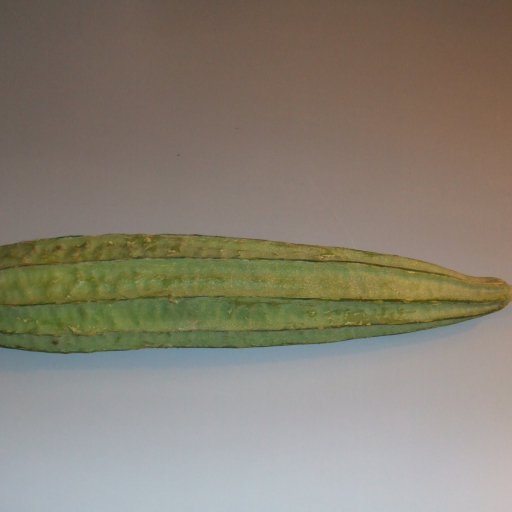
Plant Overview
Often called the Angled Luffa or Chinese Okra, this versatile climber is a staple in both Asian cuisines and natural skincare. While it looks like a long, ribbed cucumber hanging from a heavy vine, it holds a unique secret: if you don’t eat it while it's young and tender, it transforms into the durable, eco-friendly sponge known worldwide as a loofah. It is a fast-growing tropical beauty that turns any garden fence into a lush, green wall.
🔍 How to Identify
- 📏 The Fruit: Long, cylindrical green gourds that can reach up to 18 inches, easily recognized by 10 distinct, sharp longitudinal ridges (or "angles") running from stem to tip.
- 🌼 The Blooms: Large, vibrant yellow flowers that typically open in the late afternoon or evening, glowing against the dark green foliage to attract nocturnal pollinators.
- 🌿 The Foliage: Broad, heart-shaped leaves with a slightly rough, sandpaper-like texture, equipped with vigorous curling tendrils that allow the vine to scale high structures.
🏡 In Your Garden
- 🏗️ Vertical Support: This plant is a heavy-duty climber and requires a sturdy trellis or a chain-link fence. Keeping the fruit off the ground is essential to prevent rot and ensure the gourds grow straight and clean.
- ☀️ Heat & Thirst: Native to tropical climates, the Angled Luffa thrives in high humidity and full sun. It has a sensitive root system and "hates cold feet," so it should only be planted outdoors once the soil is thoroughly warm.
⚠️ Safety & Toxicity
- 🥗 Edibility: Completely safe and culinary-grade when harvested young (under 6 inches). As the fruit matures, it develops a bitter taste and a woody, net-like interior that is no longer edible.
- 🐾 Pets & Kids: The plant is generally considered non-toxic. However, the mature, fibrous "sponge" stage can be a choking hazard or cause digestive blockages if ingested by curious pets.
✨ Fun Fact
- 🧽 Nature’s Scrubber: To grow your own bath sponge, you simply leave the fruit on the vine until it turns brown and lightweight. Once the outer skin is peeled away and the seeds are shaken out, you are left with a 100% biodegradable exfoliating sponge!

Detailed Care Instructions
| Humidity | Normal |
| Difficulty | Easy |
| Hibernation | Cold Period |
| Temperature | 25°C - 32°C |
| Hardiness Zones | 3 - 8 |
To grow Luffa acutangula plant, also known as ridge gourd or sponge gourd, you can follow these steps:
- Choose a sunny location: Luffa plants require full sun to grow well. Choose a spot in your garden that receives at least 6-8 hours of direct sunlight each day.
- Prepare the soil: Ridge gourds prefer well-drained soil with a pH level between 6 and 7. Amend the soil with organic matter, such as compost or aged manure, to improve nutrient content and drainage.
- Sow the seeds: Luffa acutangula can be grown from seeds. You can start the seeds indoors about 4-6 weeks before the last expected frost date or directly sow them in the garden after the danger of frost has passed. Plant the seeds about 1 inch deep and keep a distance of 2-3 feet between each plant.
- Provide support: Luffa vines are vigorous climbers and require sturdy support to grow vertically. Install a trellis, cage, or other support system that can handle the weight of the vines as they grow.
- Water regularly: Luffa plants need consistent moisture to thrive. Water the plants regularly, keeping the soil evenly moist but not waterlogged. Avoid overhead watering to prevent fungal diseases.
- Fertilize: Apply a balanced fertilizer or organic compost to your plants every 4-6 weeks to provide them with necessary nutrients. Follow the instructions on the fertilizer packaging for proper application rates.
- Prune and train the vines: As the vines start to grow, train them onto the support system you provided. Trim excess foliage as needed to promote airflow and reduce the risk of diseases.
- Beware of pests and diseases: Luffa plants can be susceptible to pests like aphids, caterpillars, and cucumber beetles. Monitor your plants regularly and take appropriate measures if you notice any pest infestation. Also, keep an eye out for common plant diseases like powdery mildew or bacterial leaf spot, and treat them promptly if detected.
- Harvesting: Luffa gourds are ready to harvest when they turn yellow-green and the skin starts to become hard. The ideal harvesting time is when the gourd is about 12-18 inches long. If left on the vine too long, it may become overly fibrous and inedible.
Remember to save a few mature gourds for their fibrous inner structure, which can be used as a natural sponge or loofah once the outer skin is removed.
With proper care and attention, you should be able to grow healthy Luffa acutangula plants and enjoy a bountiful harvest.

Place in a bright room that is sun drenched almost all day. Or directly in a south-facing window.

To water this plant, you should first check the soil moisture level by inserting your finger a few inches into the soil. If it feels dry, it's time to water. Use a watering can or hose with a gentle flow to avoid damaging the plant's roots. Water thoroughly, ensuring that water reaches the roots of the plant. Avoid getting water on the leaves as this can lead to fungal diseases. Water the plant regularly, but be careful not to overwater, as this can lead to root rot. In hot and dry weather, you may need to water the plant more frequently.
To fertilize this plant, use a balanced fertilizer with equal amounts of nitrogen, phosphorus, and potassium. Apply the fertilizer every 2-3 weeks during the growing season, making sure to water the plant thoroughly before and after applying the fertilizer. Avoid fertilizing during times of drought or when the plant is showing signs of stress. Additionally, consider adding compost or other organic matter to the soil to improve its nutrient content and overall health.
It is recommended to use a well-draining soil with good fertility for the Luffa Acutangula plant. The soil should have a pH level of 6.0 to 7.5, and it should be enriched with organic matter like compost. The soil should be sufficiently loose to enable root growth and soil aeration. It is also essential to ensure that the plant's soil is kept moist but not too wet, as excessive moisture can lead to root rot and other fungal infections. The soil should be regularly fertilized with a balanced fertilizer that contains nitrogen, phosphorus, and potassium. Additionally, the soil should be free from any contamination as toxins in the soil can harm the plant's growth.
Propagation of this plant involves the collection of seeds from mature fruit. The seeds should be allowed to dry completely before planting. Seeds can be sown directly into the soil or started indoors in pots. The soil should be rich in organic matter and well-draining. It is important to keep the soil moist until the seeds germinate, which can take up to two weeks.
Once the seedlings have two to three leaves, they can be transplanted into larger pots or directly into the ground. The plants prefer full sun and warm temperatures. It is important to provide support for the plants to climb on, such as a trellis or fence.
Regular watering and fertilization can help the plants grow quickly. The plants will begin to flower after several weeks, and fruits will form soon after. It is important to harvest the fruits before they mature completely, as they can become tough and fibrous. The best time to harvest is when the fruit is about six to eight inches long and still green. The fruits can be used in cooking or allowed to dry completely for use as a sponge.








