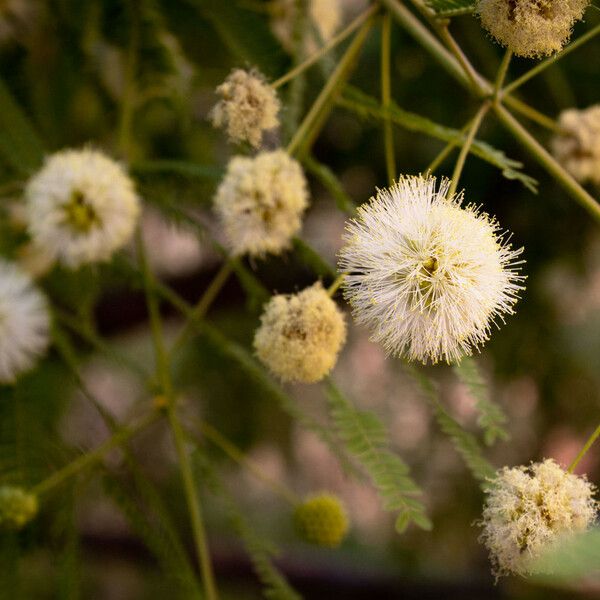
Plant Overview
Known as the Feather Bush or the "Fern of the Desert," this elegant shrub brings a soft, ethereal texture to harsh landscapes. While it looks like a delicate woodland fern, it is actually a rugged member of the legume family, native to the sun-scorched foothills of the Sonoran Desert. It is a favorite for xeriscaping because it provides lush greenery with very little water.
🔍 How to Identify
- 🌿 Lacy Foliage: The leaves are bipinnately compound, meaning they are divided into hundreds of tiny, oval leaflets that give the plant a delicate, feathery appearance.
- ☁️ Puffball Blooms: In late spring, the bush is covered in fragrant, creamy-white flower clusters that resemble tiny, fuzzy pom-poms.
- 🫛 Large Flat Pods: Following the bloom, the plant produces distinctive flat, papery seed pods that turn a rich reddish-brown as they mature.
🏡 In Your Garden
- 🧪 Natural Fertilizer: As a nitrogen-fixer, this plant works with soil bacteria to pull nitrogen from the air and deposit it into the ground, naturally improving the soil quality for its neighbors.
- ❄️ Cold Sensitivity: While it loves the heat, it is "frost-tender." In temperatures below 25°F (-4°C), it may drop its leaves or suffer die-back. It is best planted in a sheltered spot if you live on the edge of its hardiness zone.
- ✂️ Growth Habit: It naturally grows as a wide, multi-trunked shrub. If you prefer a tree-like shape, you must prune it early and consistently, but be careful not to over-prune in winter, as the fresh cuts are vulnerable to cold.
⚠️ Safety & Toxicity
- ✅ Generally Safe: Lysiloma watsonii is not known to be toxic to humans, cats, or dogs.
- 🐕 Choking Hazard: The large, flat seed pods are brittle when dry. While not poisonous, they can be a choking hazard for small dogs or may cause mild digestive upset if ingested in large quantities.
- 🌵 No Thorns: Unlike many of its desert cousins (like Acacia or Mesquite), the Feather Bush is usually thornless, making it a "pedestrian-friendly" choice for walkways.
✨ Fun Fact
The Feather Bush is a "sleepy" plant! It exhibits a behavior called nyctinasty, where its tiny leaflets fold up tightly together at sunset to reduce water loss overnight, only to "wake up" and unfold again as soon as the morning sun hits them.

Detailed Care Instructions
To grow Lysiloma Watsonii, also known as Watson's Desert-thorn or Littleleaf Leadtree, follow these steps:
- Climate: Lysiloma Watsonii thrives in arid and semi-arid climates. Ensure your region's climate is suitable for this plant.
- Location: Choose a sunny spot in your garden with well-draining soil. The plant can tolerate poor soil conditions but does best in sandy or loamy soil.
- Planting Time: The best time to plant Lysiloma Watsonii is during the spring or early summer when the soil has warmed up. This allows for optimal root growth.
- Seed Collection: Collect seeds from an existing Watson's Desert-thorn plant or purchase them from a reputable nursery. Look for mature pods that have turned brown and are starting to split open.
- Seed Preparation: Scarify the seeds by gently rubbing them with sandpaper to create small scratches on the seed coat. Soak the seeds overnight in warm water to improve germination rates.
- Germination: Fill small pots or seed trays with a well-draining potting mix. Plant the seeds and cover them lightly with soil. Keep the soil moist but not waterlogged. Place the pots in a warm area with indirect sunlight.
- Seedling Care: Once the seedlings emerge, provide them with 6-8 hours of direct sunlight daily. Maintain moist soil, but be cautious not to overwater as Lysiloma Watsonii prefers drier conditions.
- Transplanting: When the seedlings have developed several sets of leaves and are sturdy enough, they can be transplanted into larger containers or directly into the ground. Choose a location with full sun exposure.
- Regular Care: Water the plant deeply but infrequently, allowing the soil to dry out partially between waterings. Apply a layer of organic mulch around the base of the plant to conserve moisture and control weed growth. Fertilize lightly with a balanced slow-release fertilizer in early spring.
- Pruning: Lysiloma Watsonii generally requires minimal pruning. However, you can remove any dead or damaged branches to maintain its shape and health.
- Protection: Provide protection during frost or cold snaps, especially for young plants. Cover them with frost blankets or relocate potted plants indoors during extremely cold periods.
With proper care and suitable growing conditions, your Lysiloma Watsonii plant should thrive and grow into a beautiful addition to your garden.
Lysiloma Watsonii plants require regular watering to stay healthy but should not be overwatered. It is important to let the soil dry out slightly before watering again, as the plant is susceptible to root rot. The amount of water required will depend on the size of the plant, its location, and the humidity of the environment. It is important to water the plant deeply, so the water reaches the root zone, rather than just wetting the surface of the soil. Watering in the morning or evening when temperatures are cooler can help avoid water loss through evaporation. It is important to avoid letting water sit on the leaves, as this can lead to fungal growth.
To fertilize the Lysiloma Watsonii plant, mix a balanced fertilizer that contains equal parts nitrogen, phosphorus, and potassium. Apply the fertilizer to the soil around the plant once every two months during the growing season, which typically starts in spring and lasts until early fall. Water the plant well after applying the fertilizer to ensure that nutrients are absorbed by the roots. Avoid over-fertilizing, as this can damage the plant and lead to issues such as root burn or stunted growth.
The recommended soil for Lysiloma Watsonii plant is well-draining soil with a slightly acidic to neutral pH range of 6.0 to 7.5. The soil should be nutrient-rich and have good air circulation to promote healthy root growth. The plant prefers soils that are loamy or sandy, but can also tolerate clay soils with good drainage. It is important to use a soil mix that does not contain too much organic matter, as too much compost can cause root rot. Additionally, the plant requires access to full sunlight for optimal growth.
To propagate this plant, you will need to collect seeds or take cuttings from mature plants.
If collecting seeds, make sure they are fully mature and dry before harvesting. Remove the seed pods from the plant and allow them to dry out further indoors for a few weeks. Once dry, carefully remove the seeds from the pods and plant them in well-draining soil, covering them lightly with soil. Keep the soil moist and warm until germination occurs.
If taking cuttings, select a mature and healthy branch from the plant. Cut a section of the branch about 4-6 inches long, leaving a few leaves at the top. Remove any leaves from the lower part of the cutting. Dip the cut end into rooting hormone and plant it in well-draining soil. Keep the soil moist and warm until roots form and new growth appears.
Whether propagating from seeds or cuttings, it is important to ensure the new plants receive enough light and water, and to protect them from extreme temperatures and pests until they are well-established.








