Plant Overview
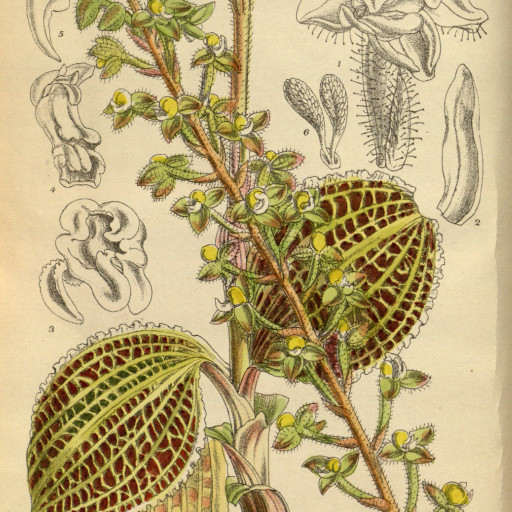
Known as the "King of Jewel Orchids," Macodes sanderiana is a botanical masterpiece from the rainforests of Borneo. Unlike traditional orchids prized for their blooms, this terrestrial treasure is celebrated for its breathtaking foliage that looks as if it were hand-stitched with golden threads. In the wild, it creeps along the damp, shaded forest floor, hiding its "lightning bolt" leaves under the canopy.
🔍 How to Identify
- 🍃 Electric Veining: The most striking feature is the network of glowing, gold-to-silver veins that sprawl across the dark green surface, resembling lightning strikes or fine filigree.
- 🧤 Velvet Texture: The leaves have a deep, emerald-to-nearly-black base with a luxurious, velvety texture that shimmers under direct light.
- 🌱 Creeping Habit: Instead of growing upright like a Moth Orchid, this species has a succulent-like rhizome that crawls along the substrate, staying low to the ground.
🏡 In Your Garden (or Terrarium)
- ☁️ Humidity is Vital: Because it hails from the humid floors of Southeast Asian jungles, this plant thrives in a terrarium or glass cloche. It dislikes dry indoor air, which can cause its delicate leaf edges to crisp and curl.
- 💧 Mineral Sensitivity: These plants are "purists" when it comes to water. They have sensitive root systems that react poorly to the chlorine and minerals in tap water; using distilled or rainwater is the secret to keeping the golden veins bright.
- 🕯️ Low Light Specialist: In its natural habitat, it receives very little direct sun. It is perfect for those "dim" corners of a home where other plants might struggle, as too much light will actually bleach the beautiful colors out of the leaves.
⚠️ Safety & Toxicity
- ✅ Pet Friendly: Macodes sanderiana is generally considered non-toxic to cats, dogs, and humans. It is a safe choice for households with curious nibblers.
- 🛑 Physical Fragility: While not chemically toxic, the plant is physically delicate. Its stems are quite brittle and can snap easily if handled roughly or knocked over by a pet.
✨ Fun Fact
The shimmering "electric" veins of the Jewel Orchid aren't just for show! Scientists believe the iridescent cells act like tiny biological lenses, focusing the dim light of the dark forest floor into the plant's chloroplasts to help it photosynthesize more efficiently in deep shade.

Detailed Care Instructions
To grow Macodes Sanderiana, also known as the jewel orchid, follow these steps:
- Lighting: Place the plant in a location with bright, indirect light. Avoid direct sunlight as it can scorch the leaves.
- Temperature: Maintain a temperature range between 60°F-80°F (15°C-27°C). Avoid placing the plant near drafts or vents as it prefers stable conditions.
- Humidity: This plant thrives in high humidity levels. You can increase humidity around the plant by placing it on a tray filled with water and pebbles or using a humidifier.
- Watering: Keep the soil evenly moist during the growing season, but avoid overwatering to prevent root rot. Allow the top inch of soil to dry out slightly before watering again. During the winter months, reduce watering frequency.
- Potting mix: Use a well-draining potting mix that consists of a blend of orchid bark, perlite, and peat moss. This mix will ensure proper drainage and aeration for the roots.
- Fertilizer: Feed the plant with a balanced, water-soluble fertilizer diluted to half strength every 2-3 weeks during the growing season. Reduce or halt fertilization during the winter months when the plant is dormant.
- Repotting: Repot the plant every 1-2 years, preferably in the spring. Choose a pot that is slightly larger than the current one and fill it with fresh potting mix.
- Propagation: Macodes Sanderiana can be propagated through division. Carefully separate healthy offsets from the parent plant, ensuring they have some roots attached. Repot them individually in appropriate-sized pots with fresh potting mix.
By following these guidelines, you can successfully grow Macodes Sanderiana to enjoy its beautiful foliage.

Place in a window with dappled sun or a spot in the middle of a room. Or directly in a window facing west or east.

To water this plant, you should check the moisture level of the soil regularly by inserting your finger into the soil up to the second knuckle. If the soil feels dry, water the plant thoroughly until water drains out of the bottom of the pot. It is important not to let the soil become too dry or too waterlogged. This plant prefers slightly moist soil and high humidity, so you may need to mist the leaves regularly or use a humidifier. Avoid getting water on the leaves as this can lead to fungal growth. When watering, use room temperature water that has been allowed to sit for a day or two to allow any chlorine or other chemicals to dissipate. Finally, be sure to use a well-draining potting mix and a pot with drainage holes to prevent the soil from becoming waterlogged.
To fertilize this plant, use a balanced fertilizer with an equal ratio of nitrogen, phosphorus, and potassium. Apply the fertilizer every two weeks during the growing season, but reduce the frequency to once a month in the dormant season. Dilute the fertilizer to half strength to avoid root burn and apply it to the soil around the plant, not on the leaves or stem. Water the plant well after fertilization to help distribute the nutrients evenly.
Macodes Sanderiana plant requires a well-drained, porous and nutrient-rich soil. The soil should be rich in organic matter and have a slightly acidic to neutral pH. It should have good water-holding capacity but also allow excess water to drain away quickly to prevent waterlogged conditions. Adding perlite or sand to the soil can help improve drainage and aeration. The plant prefers a moist soil but should not be overwatered as it can lead to root rot. Use a balanced fertilizer during the growing season to provide necessary nutrients to the plant.
- Plant Selection: Choose a healthy and mature plant from which you want to propagate.
- Tools and Materials: You'll need a clean, sharp knife or scissors, soil, rooting hormone, and a pot with good drainage.
- Cutting: Cut a healthy stem of the plant about 3-5 inches long, making sure to get a stem with leaves. Make the cut at a 45-degree angle and ensure that the cutting is healthy and not damaged.
- Remove Excess Leaves: Remove the bottom 1-2 leaves from the stem to expose the nodes where roots will grow.
- Rooting Hormone Application: Apply rooting hormone powder or liquid to the bottom of the cutting or to the end of the stem.
- Planting the Cutting: Insert the cutting into the soil and press the soil firmly around the stem to ensure good contact. Water the soil until moist but not soaking wet.
- Cover and Place: Cover the cutting and the pot with a clear plastic bag to create a humid environment. Place the pot in indirect sunlight and keep the soil moist.
- Check for Root Development: In a few weeks, check if the cutting has developed roots by gently pulling on the stem.
- Transplanting: Once the cutting has grown strong roots, transplant it to a larger pot with fresh soil and continue to care for it as you would for the original plant.
Common pests of the jewel orchid include Mealybugs, spider mites, fungus gnats, thrips. Make a habit of checking your jewel orchid frequently for pests so that any infestations can be caught and managed early.








