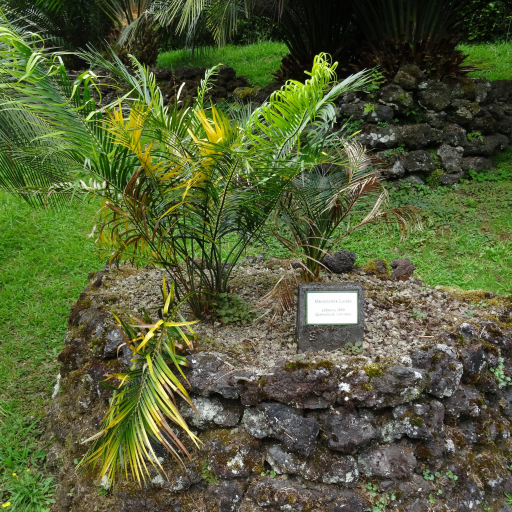
Plant Overview
Known affectionately as the "Shining Burrawang" or "Pineapple Cycad," Macrozamia lucida is a living relic from the age of dinosaurs. This small, trunkless cycad hails from the coastal forests of Eastern Australia, where it has survived for millions of years with very little change. Its elegant, high-gloss fronds make it a favorite for collectors looking to add a touch of prehistoric charm to a shaded garden corner.
🔍 How to Identify
- ✨ Glossy Fronds: The leaves are a deep, lustrous green and are remarkably shiny, which gives the plant its name (lucida means "bright" or "shining").
- 🌿 Low Profile: Unlike many of its cousins, this species is largely "stemless." Its trunk remains underground, meaning the leaves appear to emerge directly from the soil in a graceful, arching fountain.
- 🍍 The "Pineapple" Cone: When mature, the plant produces large, striking seed cones that sit near the center of the foliage, often resembling a scaly green or brown pineapple.
🏡 In Your Garden
- 🏜️ Drainage is Vital: Because its thick, starchy stem grows underground, it is highly prone to rot if left in soggy soil. It thrives in well-draining, sandy, or loamy mixes that mimic the gritty soil of its native forest floor.
- ⛅ Dappled Shade Preference: While it can handle some direct morning sun, it prefers "flecked" or filtered light. In the wild, it grows under the canopy of larger eucalyptus trees, making it a perfect candidate for understory planting in your yard.
⚠️ Safety & Toxicity
- 🚫 Toxic Status: High. All parts of the Macrozamia lucida are toxic if ingested by humans or animals.
- 🐾 Pet Warning: The seeds found inside the cones are particularly dangerous. They contain cycasin, which can cause severe liver damage in dogs and cats. Ensure this plant is placed in an area inaccessible to curious pets or small children.
✨ Fun Fact
Cycads like Macrozamia lucida are "gymnosperms," meaning they produce seeds but no flowers. They existed long before the evolution of bees and butterflies, so they rely on specialized, ancient species of weevils for pollination!

Detailed Care Instructions
To grow Macrozamia Lucida, also known as the Glossy-leaved Zamia or Burrawang, follow these steps:
- Choose a suitable location: Select a spot that receives bright, indirect sunlight or partial shade. This plant prefers well-draining soil, so ensure the soil is loose and has good drainage.
- Prepare the soil: Improve the soil by adding organic matter like compost or well-rotted manure. This will enhance the soil's fertility and drainage. Avoid using heavy clay soils, as they can cause root rot.
- Propagation: Macrozamia Lucida can be propagated from seeds. Collect mature seeds from the female plants, which have a fleshy, red, or yellow cone-like structure. Remove any flesh from the seeds and allow them to dry for a few weeks.
- Sow the seeds: Plant the seeds in a well-draining pot or directly in the ground if the climate allows. Sow the seeds about 1 inch deep in the soil. Keep the soil moist but not waterlogged.
- Provide optimal conditions: Macrozamia Lucida prefers temperatures between 50-86°F (10-30°C). Regularly water the plant but ensure it is not constantly sitting in water. Allow the top inch of soil to dry before watering again.
- Fertilization: Apply a slow-release, balanced fertilizer in spring and summer to provide necessary nutrients. Follow the instructions on the fertilizer packaging for proper application.
- Pruning and maintenance: Trim off any damaged or dead leaves with clean pruning shears. This will help promote healthy growth and maintain the plant's appearance.
- Protect from extreme temperatures: Shield the plant from frost, as Macrozamia Lucida is sensitive to cold temperatures. If growing in a colder climate, consider planting in a container so you can bring it indoors during winter.
- Monitor for pests and diseases: Check regularly for pests like scale insects, mealybugs, or fungal infections. If detected, treat with appropriate organic pest control methods or consult a local gardening expert for advice.
Remember, Macrozamia Lucida is a slow-growing plant that takes several years to establish. Be patient and provide consistent care to ensure its successful growth.

Place in a bright room that is sun drenched almost all day. Or directly in a south-facing window.

Macrozamia Lucida is a type of cycad plant native to Australia. When it comes to watering this plant, there are a few important factors to consider.
1. Soil Moisture: It is essential to maintain the proper moisture level in the soil. Cycads prefer well-draining soil to prevent waterlogging, which can lead to root rot. Before watering, check the soil moisture by inserting your finger about an inch into the soil. If it feels dry, it is time to water.
2. Watering Method: Slow and deep watering is beneficial for Macrozamia Lucida plants. This allows the water to penetrate the root zone effectively. To water, use a watering can or a hose with a low-pressure nozzle. Water evenly around the base of the plant, aiming to avoid the center crown of the plant.
3. Frequency: The watering frequency depends on various factors such as climate, humidity, temperature, and season. In general, during the warmer months, Macrozamia Lucida may require more frequent watering. However, it is crucial to allow the topsoil to dry out slightly between waterings to prevent overwatering.
4. Rainwater vs. Tap Water: Cycads like Macrozamia Lucida generally prefer rainwater or distilled water over tap water. This is because tap water often contains chemicals such as chlorine and fluoride, which can be detrimental to the plant's health. However, if rainwater is not readily available, leaving tap water to sit overnight before watering can help to dissipate some of these chemicals.
5. Observation: Pay close attention to your plant's response to watering. Yellowing or drooping leaves may indicate either underwatering or overwatering. Adjust the watering routine accordingly to find the right balance for your specific plant.
Remember, these watering guidelines are general suggestions, and it's vital to consider the individual needs of your Macrozamia Lucida plant, as factors such as climate and container size can influence its watering requirements.
To properly fertilize Macrozamia Lucida, follow these instructions:
- Choose a balanced fertilizer specifically formulated for cycad plants. Look for a fertilizer with an N-P-K (nitrogen, phosphorus, potassium) ratio of 10-10-10 or a similar ratio.
- Apply the fertilizer during the plant's active growing season, which is typically during spring or early summer. Avoid fertilizing during the dormant period or winter months.
- Dilute the fertilizer according to the manufacturer's instructions. Typically, it is recommended to use half the recommended strength for cycad plants.
- Apply the diluted fertilizer evenly around the base of the plant, taking care to avoid foliage or the crown of the plant. Cycads prefer a slow-release fertilizer, so avoid using fast-acting or high-nitrogen fertilizers.
- Water the plant thoroughly after applying the fertilizer to ensure it reaches the root zone. It is essential to provide ample moisture to prevent the plant from drying out.
- Repeat the fertilization process once every 2-3 months during the growing season. However, do not overfertilize, as this can lead to excessive growth or nutrient imbalances.
- Monitor the plant's response to fertilization. If you notice any signs of fertilizer burn, such as leaf tip browning or wilting, reduce the amount or frequency of fertilization.
Remember, while fertilization is beneficial, it should not be the sole source of nutrition for the plant. Ensure your Macrozamia Lucida receives adequate sunlight, water, and appropriate care to maintain its overall health and vigor.
Macrozamia Lucida, an evergreen cycad native to Australia, requires well-draining soil that is slightly acidic. It is important to avoid using heavy clay soils, as they can retain excessive water and lead to root rot.
Ideally, the soil for Macrozamia Lucida should be a mix of organic matter, such as compost or peat moss, and coarse sand or perlite. This combination ensures adequate drainage while retaining enough moisture for the cycad's roots.
When preparing the planting hole, it is recommended to loosen the surrounding soil to improve aeration and root penetration. Adding organic matter can help improve soil fertility and drainage.
Regular watering is necessary, especially during the active growing season. However, overwatering should be avoided as it can cause root rot and other fungal diseases. It is best to allow the soil to dry out partially between watering to prevent waterlogged conditions.
In conclusion, Macrozamia Lucida thrives in well-draining soil with slightly acidic pH. A mix of organic matter and coarse sand or perlite provides the ideal soil structure for this cycad's growth and root health.
To propagate Macrozamia Lucida plants, you can follow these steps:
- Select a healthy and mature Macrozamia Lucida plant from which you would like to propagate. Look for a plant that has well-established roots and sturdy foliage.
- Choose a suitable propagation method. Macrozamia Lucida can be propagated through various methods such as seed propagation, division, or offsets. Each method has its own requirements and level of difficulty.
- If you choose to propagate through seed, collect ripe and healthy seeds from the plant. Clean the seeds by removing any residual fruit or pulp. Soak the seeds in warm water for a few hours to promote germination.
- Fill a seed tray or container with a well-draining potting mix. Sow the seeds on the surface of the soil and lightly cover them with a thin layer of soil or sand. Keep the soil consistently moist, but not waterlogged.
- Place the seed tray or container in a warm and bright location, preferably with indirect sunlight. Maintain a temperature around 70-80°F (21-27°C) to encourage successful germination. Germination can take several weeks to months, so be patient.
- If you prefer to propagate through division or offsets, carefully remove the established plant from its pot or ground. Gently separate individual offsets or sections with their own set of roots. Use a sharp and sterile knife or secateurs to minimize damage to the parent plant and the offsets.
- Prepare a new container or planting site with well-draining soil. Create a small hole or depression to accommodate the roots of the offset or divided section.
- Place the offset or divided section in the hole or depression and backfill with soil. Firmly press the soil around the roots to eliminate any air pockets.
- Water the newly planted offset or divided section thoroughly to encourage proper root establishment. Provide regular watering, ensuring the soil remains consistently moist but not overly saturated.
- Place the propagated plant in a partially shaded location initially, gradually increasing the amount of sunlight it receives over time. This will help it acclimate to its new environment without experiencing excessive stress.
Remember that Macrozamia Lucida plants are slow-growing, and it may take several years for them to reach a mature size. Proper care, including regular watering, fertilizing, and protection from extreme temperatures, will also contribute to the successful propagation and growth of the plant.








