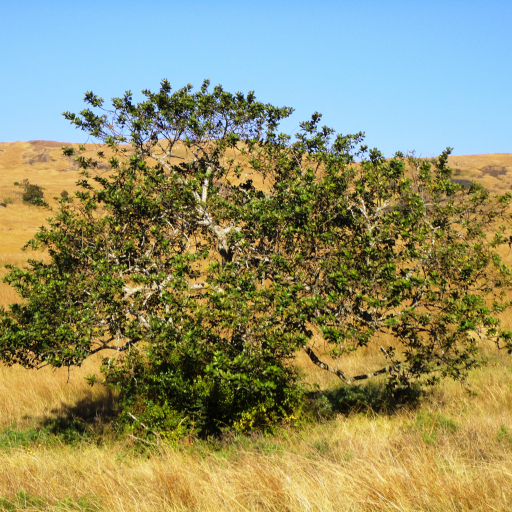
Plant Overview
Known as the False Assam Tea or African Maesa, this versatile shrub is a staple of African forest edges and humid valleys. It is often celebrated in its native regions for its medicinal history, but in the garden, it is prized for its lush, evergreen foliage and the sweet, heavy scent of its blossoms that can perfume an entire yard.
🔍 How to Identify
- 🍃 The Foliage: Its leaves are "lanceolate" (lance-shaped), long and pointed with distinctive wavy or slightly serrated edges. They have a leathery texture and a deep, glossy green color.
- 🌸 The Flowers: It produces dense, branching clusters of tiny, star-shaped flowers. These range from creamy white to pale pink and are famously fragrant.
- 🍒 The Berries: After flowering, small, round, pea-sized fruits appear. They transition from green to a waxy white or pale yellow when ripe, often hanging in heavy, decorative bunches.
🏡 In Your Garden
- 🦋 Wildlife Magnet: If you want a "living" garden, this is a top choice. The fragrant flowers act as a beacon for honeybees and butterflies, while the berries are a favorite snack for fruit-eating birds.
- 🛡️ Natural Screening: Because it grows as a multi-stemmed shrub or a small tree, it is perfect for creating a "green wall." It responds exceptionally well to pruning, allowing you to maintain it as a thick, private hedge.
- 💧 Moisture Lover: While it is hardy once established, it truly thrives in spots that mimic a forest floor—rich, organic soil with consistent moisture. It’s a great choice for those damp corners of the garden where other plants might struggle.
⚠️ Safety & Toxicity
- 🐾 Caution Recommended: While not classified as a "deadly" plant, it contains saponins and various alkaloids. It is generally considered unsafe for ingestion by pets or humans.
- 👶 Berry Watch: The small white berries can look like treats to curious children. Ingestion can lead to stomach upset or a purgative effect (nausea and diarrhea), so it is best planted away from play areas.
✨ Fun Fact
In many African cultures, the Maesa lanceolata is known as a "traditional medicine chest." Its leaves and bark have been used for centuries to treat everything from sore throats to stomach parasites. Most interestingly, crushed leaves were historically used in slow-moving streams to stun fish, making them easier to catch without making the water permanently toxic!

Detailed Care Instructions








