Plant Overview
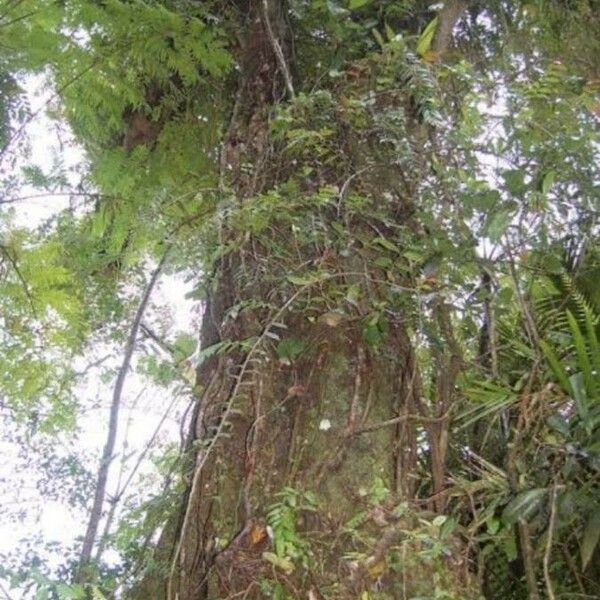
Meet the Magnolia splendens, a majestic emerald of the Caribbean known locally as the Laurel Sabino. Found naturally only in the high-elevation cloud forests of Puerto Rico, this rare evergreen is a living relic of the prehistoric tropics. It is famous for its towering stature and the ethereal, sweet fragrance that wafts from its creamy blossoms during the rainy season.
🔍 How to Identify
- 🍃 Leathery Foliage: The leaves are thick, elliptical, and stiff. They feature a glossy, deep green upper surface and a paler underside, designed to shed the heavy rainfall of the Luquillo Mountains.
- 🪷 Bowl-Shaped Blooms: It produces large, solitary white flowers at the tips of its branches. These blooms are not just beautiful; they are heavy with a spicy-sweet scent meant to attract ancient beetle pollinators.
- 🪵 Silvery Trunk: The bark is remarkably smooth and varies from light gray to a ghost-like white, often becoming a canvas for local mosses and lichens in its humid habitat.
🏡 In Your Garden
- ☁️ Atmospheric Needs: This isn't your average backyard tree. It craves "cloud forest" conditions—high humidity, cool nights, and consistent moisture. It struggles significantly in dry, inland heat or low-humidity environments.
- 🌱 Slow and Steady: The Laurel Sabino is a slow grower and resents being moved. Because it forms a deep, sensitive root system early on, it is best planted in its "forever home" rather than being kept in a pot for too long.
⚠️ Safety & Toxicity
- ✅ Generally Safe: Magnolia splendens is considered non-toxic to humans, dogs, and cats. It does not possess the irritating saps found in many other tropical species.
- ⚠️ Physical Safety: Due to its potential to reach massive heights (up to 75 feet), it is not suitable for planting near power lines or home foundations where falling limbs could cause damage during storms.
✨ Fun Fact
The wood of the Laurel Sabino is remarkably durable and naturally resistant to rot. In the 19th century, it was so highly prized for building the rollers in sugar mills and the decks of ships that it was nearly harvested into extinction! Today, it is a protected species and a symbol of Puerto Rico's rich botanical heritage.

Detailed Care Instructions
To grow a Magnolia Splendens plant, follow these steps:
- Choose a suitable location: Magnolia Splendens plants thrive in full sun to partial shade. Choose a spot with well-draining soil, preferably rich in organic matter.
- Prepare the soil: Loosen the soil in the planting area and amend it with compost or well-rotted manure to improve fertility and drainage. Magnolia Splendens prefers slightly acidic soil, so you may need to adjust the pH if necessary.
- Planting: Dig a hole twice as wide and slightly deeper than the root ball of the plant. Place the Magnolia Splendens in the hole and backfill with soil, gently firming it around the roots. Ensure the plant is planted at the same depth it was in the nursery container.
- Watering: Water the plant thoroughly after planting. Magnolia Splendens prefers consistently moist soil, especially during the first growing season. However, it is important to avoid overwatering, as it can lead to root rot.
- Mulching: Apply a layer of organic mulch around the base of the plant to help conserve moisture, suppress weed growth, and insulate the roots. Keep the mulch a few inches away from the trunk to prevent rotting.
- Pruning: Prune Magnolia Splendens in late winter or early spring to remove any dead or damaged branches. This will encourage new growth and maintain a desirable shape. Avoid heavy pruning, as it can reduce flowering.
- Fertilizing: Feed Magnolia Splendens in early spring with a balanced, slow-release fertilizer. Follow the instructions on the fertilizer package for application rates. Avoid over-fertilizing, as it can lead to excessive foliage growth at the expense of flowering.
- Protecting from frost: If you live in an area with freezing temperatures, protect young Magnolia Splendens plants from frost by covering them with a frost cloth or using a mulch layer around the base for insulation.
- Pest and disease control: Monitor the plant for common pests such as scales, aphids, or caterpillars, and treat with appropriate organic insecticides if necessary. Keep an eye out for signs of diseases like leaf spots or powdery mildew and address them promptly.
Remember that growing conditions may vary depending on your specific location and climate. Regularly observe your Magnolia Splendens plant and adjust care accordingly to ensure its healthy growth.
Magnolia Splendens is a plant that requires specific watering techniques for proper growth and health. In order to provide adequate hydration to this plant, it is important to follow the following guidelines:
- Watering Frequency: Magnolia Splendens generally requires regular watering, especially during its active growing season. Check the moisture level of the soil by inserting your finger about 1-2 inches into the soil. If it feels dry, it is time to water the plant.
- Watering Method: Instead of spraying water from above, it is advisable to water the plant at the base. This helps in preventing water from accumulating on the leaves, which can potentially lead to fungal diseases.
- Deep Watering: When watering, ensure that you do so deeply, allowing water to penetrate the root zone. This encourages the plant to develop a strong and extensive root system. Shallow watering can result in weak root growth.
- Proper Drainage: Ensure that the pot or planting site has good drainage to prevent waterlogging. Excess water can lead to root rot and other related issues. If the soil seems compacted or heavy, consider amending it with organic materials to improve drainage.
- Watering Schedule: During the dormant season, reduce the frequency of watering. However, continue to monitor the soil moisture to avoid complete dryness. Adjust the watering schedule according to the plant's needs and climate conditions. Be cautious not to overwater, as this plant prefers evenly moist soil rather than constantly soaked conditions.
- Mulching: Application of a layer of mulch around the base of the plant can help slow down soil moisture evaporation and regulate temperature fluctuations. This can be particularly advantageous during extreme weather conditions.
Remember, although Magnolia Splendens requires regular watering, it is equally important to avoid waterlogging and to maintain good drainage. By adhering to these watering guidelines, you can contribute to the overall health and vitality of your Magnolia Splendens plant.
To fulfill the fertilization needs of the Magnolia Splendens plant, follow these instructions:
- Choose a balanced, slow-release fertilizer specifically made for shrubs and trees.
- Ensure the soil is moist before applying the fertilizer. Water the plant a day prior.
- Sprinkle the fertilizer evenly around the base of the Magnolia Splendens, using the recommended dosage stated on the packaging.
- Gently work the fertilizer into the top layer of soil, taking care not to disturb the plant's roots.
- Water the plant thoroughly after fertilizing to help activate the nutrients and prevent burning of the roots.
- Repeat the fertilization process once every year, preferably in early spring or late winter, before the plant starts its growth phase.
- Monitor the plant's response to the fertilizer and adjust the feeding schedule or dosage accordingly, considering the overall health and condition of the Magnolia Splendens.
The ideal soil for Magnolia Splendens plants is well-draining and rich in nutrients. It should have a slightly acidic to neutral pH level, ranging from 5.5 to 7.5. The soil consistency should be loamy, which means it should have a balanced mix of sand, silt, and clay particles.
It is recommended to use a soil mixture that includes a combination of organic matter and inorganic components. Organic matter, such as compost or well-rotted manure, helps improve soil structure, water retention, and provides essential nutrients for plant growth. Inorganic components, such as perlite or vermiculite, aid in improving soil drainage and preventing waterlogged conditions.
The soil should allow for adequate root aeration and moisture retention without becoming waterlogged. This is important as Magnolia Splendens plants do not tolerate overly wet or waterlogged soils. Poorly-drained soils can cause root rot and other root-related diseases.
To ensure optimal growth and development, it is also essential to choose a soil that is free from contaminants, such as heavy metals or pollutants, which may negatively affect the health of the plant.
Overall, selecting a well-draining and nutrient-rich soil mixture with the right pH level, along with providing proper watering and sunlight conditions, will help promote healthy growth and blooming for Magnolia Splendens plants.
To propagate the Magnolia Splendens plant, you can follow these steps:
- Start by collecting healthy cuttings from an established Magnolia Splendens plant. Look for stems that are approximately 4-6 inches long and have multiple leaf nodes.
- Using a clean and sharp pair of pruning shears, make a diagonal cut just below a leaf node on the stem. This is where the roots will develop.
- Remove any leaves from the lower half of the stem, leaving a few leaves at the top to provide energy for the cutting.
- Dip the cut end of the stem into a rooting hormone powder or gel. This will help stimulate root growth.
- Prepare a pot with well-draining soil mixture. You can use a blend of peat moss and perlite or any other suitable mixture.
- Make a hole in the soil using a pencil or your finger and carefully insert the cutting into the hole. Gently press the soil around the stem to ensure good contact.
- Water the cutting thoroughly but avoid overwatering. Maintain a moist but not waterlogged soil.
- Cover the pot with a plastic bag or place it in a propagator to create a humid environment. This will help prevent excess moisture loss through evaporation.
- Place the pot in a warm and bright location but avoid direct sunlight as it may scorch the cutting. A temperature of around 70-80°F (21-27°C) is ideal for the rooting process.
- Monitor the cutting regularly and mist the leaves periodically to maintain humidity. Avoid overwatering or letting the soil dry out completely.
- Within a few weeks to a couple of months, you should start to see new growth and roots developing on the cutting. Once the roots are well-established, you can transplant the Magnolia Splendens into a larger pot or into the garden.
Remember to be patient during the propagation process, as it can take some time for the cutting to establish roots and grow. With proper care and attention, you can successfully propagate Magnolia Splendens and enjoy the beauty of this plant.








