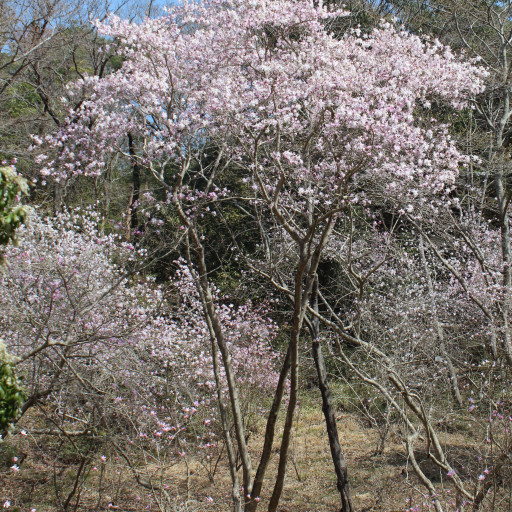
Plant Overview
Often called the "Star Magnolia," this elegant Japanese native is a true herald of spring. Before its leaves even begin to bud, the branches erupt in a spectacular display of snowy, star-shaped blossoms that look like fallen constellations. It is a favorite for small gardens due to its slow growth and graceful, multi-stemmed structure.
🔍 How to Identify
- 🌸 The Flowers: Unlike the bowl-shaped flowers of other magnolias, these are distinctly star-like, featuring 12 to 18 long, thin, strap-like "tepals" (petals) that fan out from a central point.
- 🍃 The Foliage: The leaves are narrow, oblong, and a rich, deep green. They typically emerge only after the flowers have finished their spring show.
- 🪵 The Bark: Even in winter, it remains attractive with its smooth, silvery-gray bark and fuzzy, oversized flower buds that look like little pussy willows.
🏡 In Your Garden
- ❄️ Frost Protection: While the plant itself is very hardy, those beautiful early blooms are sensitive to late spring frosts. Planting it in a sheltered spot away from harsh winds can help save the flowers from turning brown overnight.
- ✂️ Slow & Steady: Because it grows slowly and develops a naturally beautiful rounded shape, it rarely needs heavy pruning. In fact, over-pruning can stress the plant and reduce next year's "starry" display.
- 🌱 Root Sensitivity: Like most magnolias, the Star Magnolia has fleshy, shallow roots. It hates being moved once established, so choose its forever-home carefully and avoid digging around its base.
⚠️ Safety & Toxicity
- ✅ Safe Status: The Star Magnolia is considered non-toxic to humans.
- 🐾 Pet Friendly: It is generally listed as non-toxic to dogs, cats, and horses by the ASPCA, making it a safe choice for a family landscape.
- 🧤 Mild Irritation: While not poisonous, some gardeners with sensitive skin may experience mild irritation from the sap or the fuzzy coating on the buds.
✨ Fun Fact
Magnolias are among the most ancient flowering plants on Earth! They are so old (predating bees) that they evolved to be pollinated by beetles. Because beetles are heavy and clumsy, the Star Magnolia’s flowers developed tough, leathery structures to prevent damage during pollination.

Detailed Care Instructions
| Color | White |
| Soil Ph | Acid, Neutral, Alkaline |
| Lighting | Full Sun |
| Toxicity | Non-Toxic |
| Soil Type | Moist, Well-Drained |
| Bloom Time | Spring, Summer |
| Plant Type | Perennial, Tree |
| Mature Size | 5-8 Ft. In Height |
| Native Area | Japan |
| Sun Exposure | Full Sun To Part Shade |
| Hardiness Zones | 4-8 |
To successfully grow a Magnolia Stellata plant, consider the following steps:
- Select an appropriate location: Choose a sunny or partially shaded spot in your garden that has well-draining soil. Magnolias prefer slightly acidic to neutral soil.
- Prepare the soil: Ensure the soil is well-draining by adding compost or organic matter to improve its texture. It is also beneficial to perform a soil test to determine the pH level and make any necessary adjustments.
- Plant the Magnolia Stellata: Dig a hole that is twice as wide and deep as the root ball of the plant. Place the plant in the hole, ensuring the top of the root ball is level or slightly above the surrounding soil. Backfill the hole, gently firming the soil around the base of the plant.
- Water appropriately: Provide enough water to keep the soil consistently moist, but not waterlogged. During the first year, it is especially important to regularly water the plant to promote root establishment.
- Mulch: Apply a layer of organic mulch around the base of the plant to help retain moisture, suppress weeds, and regulate soil temperature. Keep the mulch a few inches away from the trunk to prevent rotting.
- Pruning: Prune the Magnolia Stellata plant in late winter or early spring before new growth begins. Remove any dead, damaged, or crossing branches to maintain a well-shaped and healthy plant.
- Fertilize: Magnolias generally do not require heavy fertilization. However, you can apply a balanced slow-release fertilizer once a year in early spring to promote healthy growth.
- Protection from frost: Young Magnolia Stellata plants are more susceptible to frost damage. Consider protecting them during cold spells by covering them with a frost cloth or similar material.
Remember, each plant is unique, and these guidelines are general recommendations. It's always a good idea to consult local garden centers or horticulturists for specific advice tailored to your location and conditions.

Place in a bright room that is sun drenched almost all day. Or directly in a south-facing window.

When watering this plant, it is important to keep in mind its soil conditions and moisture preferences. It grows best in well-draining soil that is kept moderately moist, but not overly wet.
Before watering, check the soil moisture by inserting your finger into the soil to a depth of about 1-2 inches. If it feels dry at this depth, it is time to water.
When watering, be sure to give the plant a good, deep watering. To do this, water slowly and thoroughly until the soil is evenly moistened. Avoid overwatering, as this can lead to root rot and other issues.
During hot, dry weather, this plant may require more frequent watering to keep it adequately hydrated. On the other hand, during periods of heavy rainfall, you may need to adjust your watering frequency to prevent the soil from becoming too saturated.
Overall, monitoring soil moisture and adjusting your watering accordingly is key to keeping this plant happy and healthy.
To fertilize this plant, use a balanced fertilizer with equal amounts of nitrogen, phosphorus, and potassium. Apply the fertilizer in the early spring before new growth begins and again in early summer. Follow the directions on the fertilizer package for the amount and frequency of application. Be sure to water the plant deeply after fertilizing to prevent fertilizer burn or damage to the roots. Avoid fertilizing in the fall as this can promote tender new growth that is susceptible to winter damage.
Magnolia Stellata is a flowering plant that requires well-draining and rich soil to grow healthy and promote abundant blooms. The recommended soil type for this plant is a loamy soil that is moderately acidic to slightly alkaline. It is crucial to avoid heavy clay soil as the roots may rot due to poor drainage.
The ideal pH range for the soil should be between 5.0 to 6.5, and the soil should also be nutrient-rich. Adding organic matter such as compost or well-rotted manure to the soil before planting can improve the nutrient content of the soil.
It is essential to ensure that the soil has good moisture retention while also avoiding waterlogging. Waterlogged soil can lead to root rot and cause the plant to wither and die.
When planting Magnolia Stellata, it is recommended to mix the soil with sand or perlite to improve the drainage and aeration of the soil. It is also essential to plant the Magnolia Stellata at a depth of no more than twice the size of the root ball to prevent suffocation of the roots.
Overall, Magnolia Stellata thrives in well-draining, nutrient-rich, and slightly acidic soil that retains moisture without being waterlogged.
To propagate this plant, you will need to take a softwood cutting from a healthy and mature plant. The best time to take a cutting is in late spring or early summer.
First, prepare a clean and sharp pair of pruning shears or scissors. Choose a stem that is young and supple, but not too thin or too thick. The ideal length of the cutting should be around 6-8 inches.
Next, make a clean cut at a 45-degree angle, just below a node or a leaf joint. Remove any lower leaves or buds from the cut stem.
Dip the end of the cutting into a rooting hormone powder or solution, which will help stimulate root growth.
Prepare a pot or container with a well-draining soil mix, such as a blend of peat moss and perlite. Make a small hole in the soil and insert the cutting into it, gently pressing the soil around it to provide support.
Water the cutting thoroughly but avoid overwatering, as too much moisture can cause rot. Keep the pot in a warm, shaded area and cover it with a plastic bag to create a humid environment. This will help prevent the cutting from drying out and promote root growth.
Check the cutting regularly for signs of growth and moisture. Once it has rooted and developed new leaves, you can gradually acclimate it to brighter light and less humidity. Eventually, you can transplant it to a larger pot or into the ground.
Common pests of the star magnolia include Scale insect, aphids, thrips, larvae. Make a habit of checking your star magnolia frequently for pests so that any infestations can be caught and managed early.








