Plant Overview
Often called the "Sweetbay" or "Swamp Magnolia," this elegant tree is a southern belle that travels well north. Famous for its intoxicating lemony fragrance, it was actually the first magnolia ever formally described by scientists. Whether it grows as a multi-stemmed shrub or a stately tree, its shimmering silver-backed leaves make it a favorite for adding movement and light to any landscape.
🔍 How to Identify
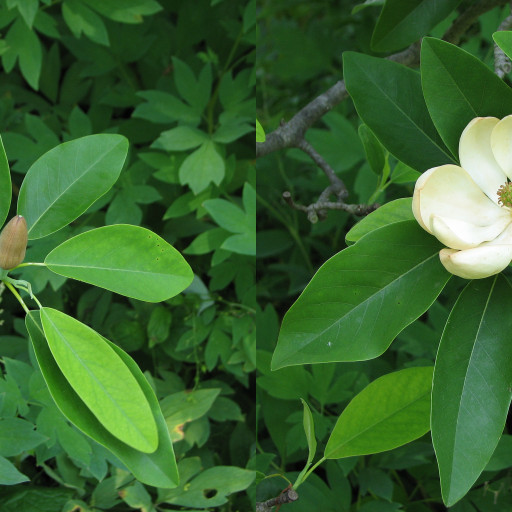
- 🌸 Creamy Blooms: The flowers are cup-shaped, waxy, and creamy-white. They are smaller and more delicate than the giant Southern Magnolia, usually measuring 2–3 inches across.
- 🍃 Two-Toned Leaves: The elliptical leaves are a glossy, dark green on top, but the underside is a striking, frosted silvery-white. This creates a beautiful "shimmering" effect whenever the wind blows.
- 👃 Lemony Scent: One of the easiest ways to identify it is by smell; the blossoms emit a sweet, citrus-like perfume that is especially potent in the early evening.
🏡 In Your Garden
- 💧 Loves "Wet Feet": Unlike many ornamental trees that rot in standing water, the Sweetbay thrives in soggy, acidic soils. It is the perfect solution for "problem spots" in your yard where water tends to pool after rain.
- 🌡️ Climate Chameleon: This plant changes its behavior based on your local weather. In the deep South, it remains evergreen all year, but in colder Northern climates, it acts as a deciduous tree, dropping its leaves to survive the winter frost.
⚠️ Safety & Toxicity
- ✅ Non-Toxic Status: Magnolia virginiana is generally considered safe and non-toxic for humans, dogs, cats, and even horses.
- 👶 Mild Caution: While not poisonous, the leathery leaves and hard, cone-like seed pods can be a choking hazard for small children or pets if chewed on.
✨ Fun Fact
Early American settlers and indigenous groups called this the "Beaver Tree" because the fleshy, aromatic roots were frequently used as bait in traps to catch beavers!

Detailed Care Instructions
| Color | White |
| Soil Ph | Acidic |
| Humidity | Normal |
| Lighting | Full Sun |
| Soil Type | Moist, Rich |
| Bloom Time | Late Spring, Early Summer |
| Difficulty | Medium |
| Plant Type | Tree |
| Hibernation | Cold Period |
| Mature Size | 10–35 Ft. Tall, 10–35 Ft. Wide |
| Native Area | North America |
| Temperature | 18°C - 24°C |
| Sun Exposure | Full Sun To Partial Shade |
| Hardiness Zones | 5-10 |
To grow Magnolia virginiana, also known as the Sweetbay Magnolia or Swamp Magnolia, you can follow these steps:
- Choose the right location: Magnolia virginiana thrives in full sun to partial shade. Select a spot in your garden that receives at least 6 hours of sunlight per day. Ensure the soil is well-draining and has a slightly acidic to neutral pH.
- Preparing the soil: Work the soil in the chosen location by removing any weeds, rocks, or debris. Loosen the soil to improve drainage and amend it with organic matter, such as compost or well-rotted manure, to enhance fertility and improve moisture retention.
- Planting the Magnolia virginiana: Dig a hole that is slightly wider and deeper than the nursery container the plant is in. Gently remove the plant from its container, being careful not to disturb the root ball too much. Place the root ball in the hole and backfill with soil, making sure the plant is planted at the same depth it was in the container. Firmly tamp down the soil around the base of the plant to eliminate air pockets.
- Watering: After planting, thoroughly water the newly planted Magnolia virginiana. Ensure that the soil stays consistently moist but not waterlogged for the first year to help establish the plant.
- Mulching: Apply a layer of organic mulch around the base of the plant, leaving a gap around the stem to prevent rotting. This will help retain moisture, suppress weeds, and regulate soil temperature.
- Pruning: Prune Magnolia virginiana in late winter or early spring, before new growth begins. Remove any dead, damaged, or crossing branches. Light pruning to shape the plant can also be done at this time.
- Fertilizing: Magnolia virginiana typically doesn't require much fertilization. However, if the plant appears to be lacking nutrients or is not growing well, you can apply a slow-release, balanced fertilizer in early spring.
- Maintenance: Regularly monitor the soil moisture levels and water when necessary, especially during dry periods. Also, monitor for any pest or disease issues and address them promptly.
By following these steps, you should be able to successfully grow Magnolia virginiana in your garden.

Place in a window with dappled sun or a spot in the middle of a room. Or directly in a window facing west or east.

To water this particular plant, it is important to keep in mind that it requires regular watering, especially during the growing season. The soil should be evenly moist, and the plant should not be allowed to dry out completely. It is also important to avoid over-watering, as this can lead to root rot or other issues. When watering, the soil around the plant should be saturated, but not waterlogged. It is best to water in the morning or evening to avoid excessive evaporation. In addition, it is important to mulch around the base of the plant to help retain moisture in the soil and to protect the roots.
Apply a slow-release fertilizer in the early spring before new growth appears. Use a balanced fertilizer with equal parts nitrogen, phosphorus, and potassium. Spread the fertilizer evenly around the base of the plant, taking care not to let it touch the trunk or foliage. Water the plant thoroughly after fertilizing. Repeat the application of fertilizer in late summer if needed.
For a Magnolia Virginiana plant, it is recommended to use a well-draining soil that is slightly acidic to neutral in pH. This plant prefers moist, fertile soil that is rich in organic matter. Avoid using heavy clay soils or soils that are prone to waterlogging, as this can lead to root rot and other issues for the plant. A good mix for Magnolia Virginiana could include a combination of peat moss, compost, and perlite to ensure proper drainage and nutrient availability for optimal growth.
To propagate this plant, firstly, carefully take cuttings of the shoots using a clean and sharp pruning tool. Trim off any leaves from the lower half of the cutting, leaving a few at the top. Dip the cut end of the stem into rooting hormone powder and gently tap off any excess. Potting soil with a 50:50 mix of fine sand and peat is ideal for rooting the cuttings. Make a small hole in the soil with your finger or a pencil and insert your cutting about 1 inch deep so that the bottom third is immersed in the soil. Water the soil lightly and cover the pot with a clear plastic bag to create a mini greenhouse. Place the pot in bright, filtered light, but avoid direct sunlight. Maintain humidity by opening the bag daily and misting the cutting and soil lightly. After about 4-6 weeks, the cuttings will begin to root, and the plastic bag can be gradually removed until the young plant becomes acclimatized to its surrounding environment.
Common pests of the sweetbay magnolia include Scale insect, aphids, thrips, larvae. Make a habit of checking your sweetbay magnolia frequently for pests so that any infestations can be caught and managed early.








