Plant Overview
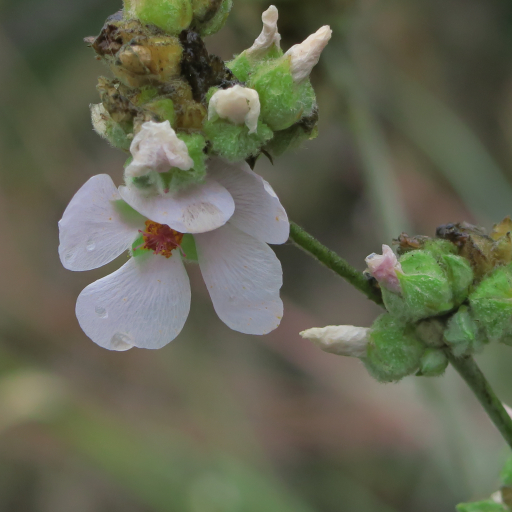
Known affectionately as the Many-flowered Bush Mallow, this California native is a true survivor of the chaparral. It is often celebrated as a "fire-follower," appearing in spectacular abundance in the wake of wildfires to help stabilize the scorched earth. With its soft, dusty foliage and clouds of pastel blooms, it brings a romantic, wild aesthetic to any drought-tolerant landscape.
🔍 How to Identify
- 🌸 The Blooms: Features dense, crowded clusters of five-petaled flowers that range from a delicate pale pink to a vibrant lavender, often appearing in late spring.
- 🍃 Felted Foliage: The leaves are a muted gray-green, often shaped like a maple leaf or a rounded heart, and are covered in a fine, "stellate" (star-shaped) fuzz that feels soft to the touch.
- 🎋 Upright Structure: This is a multi-stemmed shrub that can reach up to 6 feet tall, with slender, woody branches that tend to reach straight toward the sun.
🏡 In Your Garden
- ☀️ Drought Warrior: Because it evolved in the rugged hills of Southern California, it possesses a deep taproot. It hates "wet feet," so avoid heavy clay or frequent watering, which can lead to sudden root rot.
- 🦋 Pollinator Party: This plant acts as a magnet for native bees and butterflies. If you are looking to create a "living gas station" for migrating insects, this mallow is a top-tier choice.
⚠️ Safety & Toxicity
- ✅ Generally Safe: Malacothamnus densiflorus is not known to be toxic to humans, dogs, or cats.
- 🧤 Skin Sensitivity: While not poisonous, the tiny star-shaped hairs on the leaves can be mildly irritating to people with very sensitive skin or respiratory allergies if handled excessively. Wearing gloves while pruning is a good practice.
✨ Fun Fact
The seeds of the Bush Mallow are incredibly patient; they can lay dormant in the soil for over 50 years, waiting for the intense heat of a wildfire to "crack" their hard outer shells and trigger a massive bloom!

Detailed Care Instructions
To grow Malacothamnus Densiflorus, also known as bush mallow, follow these steps:
- Climate and soil requirements: This plant thrives in Mediterranean climates with dry, well-draining soil. It is adapted to sandy or loamy soil types. If you live in an area with heavy clay soil, amend it with organic matter like compost to improve drainage.
- Select a location: Choose a spot in your garden that receives full sun or partial shade. Bush mallow prefers at least 6 hours of sunlight a day. Make sure there is enough space for the plant to spread, as it can grow up to 6 feet in both height and width.
- Planting process:
- Dig a hole that is about twice the diameter of the nursery container or root ball.
- Gently remove the plant from the container, being careful not to damage the roots.
- Place the plant in the hole, making sure the top of the root ball is level with the soil surface.
- Backfill the hole with soil, tamping it down gently around the roots to ensure good soil contact.
- Water thoroughly after planting.
- Dig a hole that is about twice the diameter of the nursery container or root ball.
- Watering: While established plants are drought-tolerant, regular watering is essential during the first few months after planting to help the roots establish. Water deeply once a week during the growing season, allowing the soil to dry out slightly between waterings. Reduce watering during winter when the plant is dormant.
- Mulching: Apply a layer of organic mulch, such as wood chips or straw, around the base of the plant. This will help retain moisture, suppress weed growth, and insulate the roots from temperature extremes.
- Pruning: Prune Malacothamnus Densiflorus in early spring before new growth emerges. Trim back any dead or damaged branches and maintain an open shape, removing any crowded or crossing stems. Pruning can also encourage bushier growth.
- Fertilizing: This plant generally does not require regular fertilization. However, you can apply a slow-release balanced fertilizer in early spring if you notice weak or stunted growth. Follow the instructions on the fertilizer packaging.
- Pest and disease control: Malacothamnus Densiflorus is generally resistant to pests and diseases. However, keep an eye out for common garden pests like aphids or spider mites. If detected, apply insecticidal soap or a gentle insecticide according to the product instructions.
By following these steps, you should be able to successfully grow Malacothamnus Densiflorus in your garden.

Place in a bright room that is sun drenched almost all day. Or directly in a south-facing window.

Malacothamnus densiflorus is a drought-tolerant plant native to California, Arizona, and Mexico. It is a member of the mallow family and is known for its attractive pink to purple flowers. To effectively water this plant, follow these guidelines:
1. Understand the water requirements: Malacothamnus densiflorus is adapted to dry conditions and can survive with minimal watering once established. It is important to provide enough water for the plant to establish a strong root system during the initial establishment period.
2. Water deeply but infrequently: Instead of frequent shallow watering, which encourages shallow root growth, it is better to water Malacothamnus densiflorus deeply but less frequently. This helps the roots to grow deeper, making the plant more resilient to drought conditions.
3. Check the soil moisture: Before watering, check the soil moisture level by sticking your finger about an inch deep into the soil near the plant. If the soil feels dry at this depth, it's time to water. If it still feels moist, it is best to wait before watering.
4. Water at the base: Aim to water at the base of the plant, directly onto the soil, rather than overhead or spraying the foliage. This prevents foliar diseases and ensures that the water reaches the plant's roots.
5. Water in the morning: Watering in the early morning allows the plant to absorb the moisture before the heat of the day, reducing the risk of evaporation and ensuring the plant has enough water to sustain itself throughout the day.
6. Mulch around the plant: Apply a layer of organic mulch, such as wood chips or straw, around the base of the plant. Mulching helps to retain moisture in the soil, prevents weed growth, and regulates soil temperature.
7. Adjust the watering schedule according to the season: During the plant's active growth period, typically spring to early summer, it may require more frequent watering. As the cooler months approach, reduce the watering frequency, as the plant goes into a dormant state.
8. Observe plant health: Regularly check the plant for signs of overwatering or underwatering. Overwatering may cause yellowing leaves, wilting, or fungal diseases, while underwatering may lead to leaf drop or wilting. Adjust the watering schedule accordingly if any of these signs are observed.
Remember, the specific watering needs of Malacothamnus densiflorus may vary depending on factors such as climate, soil type, and overall plant health. Regular observation and adaptation to the plant's needs will help ensure its proper growth and survival.
To fertilize Malacothamnus Densiflorus, follow these instructions:
- Choose a balanced, slow-release fertilizer with an NPK ratio of 10-10-10 or 20-20-20. This will provide a good mix of essential nutrients to promote healthy growth.
- Apply the fertilizer during the plant's active growing season, which is typically in spring or summer. Avoid fertilizing during winter or dormancy periods.
- Dilute the fertilizer according to the manufacturer's instructions. Generally, you'll mix the fertilizer with water to create a solution.
- Water the plant thoroughly before applying the fertilizer. This ensures that the roots are moist and ready to absorb the nutrients.
- Pour the diluted fertilizer around the base of the plant, making sure to avoid getting it on the foliage. This can help prevent potential foliage burn or damage.
- Use enough fertilizer to evenly moisten the soil, but avoid excessive application as it may lead to nutrient imbalances or damage the plant.
- After applying the fertilizer, lightly water the plant again to help distribute the nutrients into the soil.
- Monitor the plant's response to the fertilizer. If the leaves become overly lush or there is excessive growth, reduce the fertilizer quantity or frequency.
- Repeat the fertilization process every 4-6 weeks during the growing season, adjusting the amount and frequency as needed based on the plant's specific requirements.
Remember, it is always best to consult with a local gardening expert or nursery for specific fertilizer recommendations tailored to your Malacothamnus Densiflorus plant's needs and the unique conditions in your region.
When choosing the appropriate soil for Malacothamnus Densiflorus plants, it is important to consider the plant's natural habitat and specific soil preferences.
Malacothamnus Densiflorus is typically found in regions with well-drained soils, such as sandy or loamy soil types. It thrives in soil that allows excess water to drain away quickly, preventing waterlogging and root rot. Therefore, it is essential to select soils with good drainage capabilities.
It is recommended to use a soil mix that is light, well-aerated, and provides good water retention capacity. One option is to mix sandy soil with organic matter such as compost or well-rotted manure. This helps to improve the soil structure and water-holding capacity while ensuring proper drainage.
Additionally, adding perlite or coarse sand to the soil mix can increase drainage effectiveness and prevent the soil from compacting over time. These amendments improve aeration and prevent excess moisture around the roots.
Furthermore, the pH level of the soil is an important factor for Malacothamnus Densiflorus plants. Aim for a slightly acidic to neutral pH range, around 5.8 to 7.0, to provide an optimal growing environment for the plant.
Overall, the ideal soil for Malacothamnus Densiflorus should be well-drained, loose, and enriched with organic matter. By providing these soil conditions, you can create a favorable growing environment, allowing the plant to thrive and reach its full potential.
Malacothamnus densiflorus, commonly known as the bush mallow or chaparral mallow, is a perennial plant native to the western United States. It is a member of the mallow family (Malvaceae) and often acts as a shrub or subshrub, reaching heights of 3 to 6 feet.
Propagating Malacothamnus densiflorus can be done through various methods, including seed germination, stem cuttings, and division. Here is a detailed guide on propagating this plant:
- Seed Germination:
- Collect mature seed pods from the plant when they turn brown and dry.
- Gently crush or break open the pods to release the small seeds.
- To enhance germination, it is recommended to scarify the seeds by carefully scratching or nicking the hard seed coat with a knife or sandpaper.
- Fill a seed tray or small pots with a well-draining soil mix, preferably containing sand or perlite.
- Moisten the soil and sow the scarified seeds on the surface, lightly pressing them into the soil.
- Cover the seeds with a thin layer of soil or vermiculite and mist to keep the top layer moist.
- Place the tray or pots in a warm location with indirect sunlight.
- Germination usually occurs within 2-4 weeks. Once the seedlings develop their first true leaves, they can be transplanted into individual pots or containers.
- Collect mature seed pods from the plant when they turn brown and dry.
- Stem Cuttings:
- Select a healthy branch or stem from the parent plant that is about 4-6 inches long and free from pests or diseases.
- Make a diagonal cut just below a node using a clean and sterilized pruning shears or knife.
- Remove any leaves from the lower half of the cutting.
- Dip the cut end in a rooting hormone powder to promote root formation (optional).
- Fill a small pot or container with a well-draining rooting medium, such as a mixture of vermiculite and perlite.
- Create a hole in the rooting medium and insert the lower end of the cutting, ensuring that at least two nodes are under the soil.
- Firmly press the soil around the cutting and water lightly to settle it in place.
- Place the pot in a warm, bright location, but avoid direct sunlight.
- Mist the cutting regularly to maintain humidity and prevent it from drying out.
- Roots should develop within 4-6 weeks. The plant can be transplanted into a larger container or directly into the garden once the roots are established.
- Select a healthy branch or stem from the parent plant that is about 4-6 inches long and free from pests or diseases.
- Division:
- This method is suitable for mature plants that have formed clumps.
- Dig up the entire plant carefully, trying to disturb the root system as little as possible.
- Gently separate the clump into smaller sections, ensuring that each section has a good amount of roots and healthy shoots.
- Trim back any damaged or excessive growth.
- Replant the divided sections into prepared holes or containers filled with well-draining soil.
- Water the newly planted divisions thoroughly and keep the soil moist until they are established.
Remember to provide the propagated plants with adequate care, including regular watering, well-draining soil, and appropriate sunlight conditions, to ensure their healthy growth and development.
- This method is suitable for mature plants that have formed clumps.








