Plant Overview
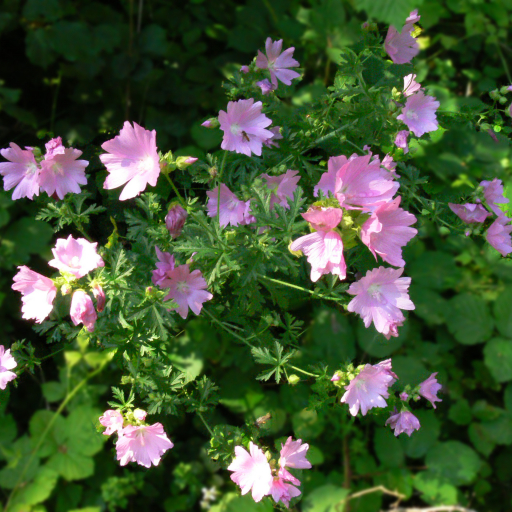
Often called the Hollyhock Mallow or Greater Musk-mallow, Malva alcea is the romantic heart of the European cottage garden. With its silky, rose-pink petals and "see-through" airy foliage, it bridges the gap between wild meadows and formal borders. It is beloved by traditionalists for its ability to bloom tirelessly from midsummer until the first frost.
🔍 How to Identify
- 🌸 The Blooms: Large, five-petaled flowers in shades of pink to lavender. Each petal is deeply notched at the tip, giving it a delicate, heart-shaped appearance.
- 🌿 The Foliage: A unique "split" personality; lower leaves are rounded and kidney-shaped, while the upper leaves are deeply divided into narrow, finger-like lobes.
- 📏 The Stature: An upright, multi-stemmed plant that can reach up to 3 or 4 feet, often covered in fine, soft hairs that give the stems a slightly silvery sheen.
🏡 In Your Garden
- 📍 The "Forever" Home: This plant develops a deep, sturdy taproot. Because of this, it strongly dislikes being transplanted once established. It’s best to sow it exactly where you want it to spend its life.
- 🦋 Pollinator Magnet: It is an absolute powerhouse for biodiversity. You will frequently see honeybees and specialized mallow bees tucked inside the flowers during the day.
- ✂️ Self-Seeding Nature: While individual plants are somewhat short-lived (3-5 years), they are prolific self-seeders. If you don't deadhead the spent blooms, you'll have a fresh "army" of mallows next spring.
⚠️ Safety & Toxicity
- ✅ Status: Non-toxic and generally safe.
- 🐾 Details: Malva alcea is not considered poisonous to humans, cats, or dogs. In fact, many members of the Mallow family have a long history of being used in traditional herbal teas and salves due to their soothing properties.
✨ Fun Fact
The genus name Malva is derived from the Greek word malakos, which means "soft". This refers to the mucilaginous (slimy) sap found in the stems and roots, which was historically used to soothe sore throats long before modern medicine!

Detailed Care Instructions
| Color | Pink |
| Soil Ph | Acid, Neutral, Alkaline |
| Soil Type | Sandy, Loamy, Clay, Well-Drained, Moist But Well-Drained |
| Bloom Time | Late Summer, Fall |
| Plant Type | Herbaceous, Perennial |
| Mature Size | Up To 4 Ft. Tall |
| Native Area | Europe, Asia |
| Sun Exposure | Partial Shade, Full Shade |
| Hardiness Zones | 4-8 |
To grow Malva alcea (hollyhock mallow), you can follow these steps:
- Seed sowing: Start by choosing a suitable location with full sun or partial shade. Sow the seeds directly into well-draining soil either in the fall or early spring. If sowing in the fall, cover the area with a thin layer of mulch to protect the seeds during winter.
- Soil preparation: Ensure the soil is fertile, rich in organic matter, and well-draining. Amend the soil with compost before planting to improve its quality.
- Watering: Keep the soil evenly moist during the germination period. Once the plants are established, only water when the top inch of soil feels dry. Overwatering can lead to root rot, so be careful not to saturate the soil.
- Thinning seedlings: When the seedlings are a few inches tall, thin them out to allow enough space for each plant to grow. Space them around 12-18 inches apart to provide adequate air circulation.
- Mulching: Apply a layer of mulch around the base of the plants to conserve moisture, suppress weed growth, and regulate soil temperature. Use organic mulch such as shredded bark or straw.
- Fertilizing: Feed the plants with a balanced fertilizer once or twice during the growing season. Follow the package instructions for proper application and dosage.
- Staking: Hollyhock mallow often grows quite tall and can benefit from staking. Place stakes or plant supports near the plants when they reach a height of about a foot to prevent them from bending or breaking due to wind or heavy rain.
- Pruning: To encourage bushier growth and more flowers, you can pinch back the growing tips of the plants when they are around 6-8 inches tall.
- Pest and disease prevention: Monitor your plants regularly for any signs of pest infestation or disease. Common issues include powdery mildew, aphids, and rust. Apply organic pesticides or insecticidal soap if necessary, and promptly address any signs of disease.
- Harvesting seeds: After the flowering period, the plants will produce seed pods. Wait until they turn brown and dry before collecting the seeds. Store the seeds in a cool, dry place for future planting or sharing.
By following these steps, you should be able to successfully grow Malva alcea in your garden.

Place in a window with dappled sun or a spot in the middle of a room. Or directly in a window facing west or east.

To water this particular plant, it is important to ensure that the soil is evenly moistened but not waterlogged. This can be achieved by watering the plant deeply and thoroughly once a week, allowing the water to soak into the soil and reach the plant's root system. It is best to avoid watering the plant during the hottest part of the day in order to prevent the water from evaporating too quickly and to prevent damage to the plant's leaves. Additionally, it is important to monitor the soil moisture level and adjust the watering schedule as needed based on weather conditions and the plant's specific needs.
For this plant, it's best to fertilize in the spring and summer months, using a balanced, all-purpose fertilizer. Mix the fertilizer according to its instructions and apply it to the soil around the base of the plant, taking care not to get any on the leaves. Water the plant thoroughly after fertilizing to help distribute the nutrients. Be careful not to over-fertilize, as this can cause damage to the plant.
Malva Alcea requires a well-draining soil with a slightly acidic to neutral pH level. The soil should be rich in organic matter and nutrients, such as compost or aged manure. A sandy loam soil would provide good drainage and moisture retention. It's important to avoid heavy, compacted soil that can suffocate the roots and lead to rot. Mulching the soil around the plant can help retain moisture and keep the soil cool during hot weather. It's also recommended to avoid using soil that has been treated with herbicides or pesticides, as these chemicals can harm the plant.
- Select a healthy parent plant that is disease-free and has vibrant foliage.
- Gently remove a stem cutting from the parent plant with a sharp, sterile blade. The cutting should be around 4-6 inches long and include at least one leaf node.
- Strip away the lower leaves on the cutting, leaving only a few leaves at the top.
- Dip the cut end of the stem into rooting hormone powder to encourage root growth.
- Plant the cutting into a well-draining soil mix, making sure the leaf node is planted below the soil surface.
- Water the cutting thoroughly and place it in a warm, bright location with indirect sunlight.
- Keep the soil moist but not waterlogged and mist the cutting daily to maintain humidity.
- After a few weeks, roots should develop and new growth should appear. At this point, the plant can be transferred to a larger pot or planted outside in the garden.
Common pests of the greater musk mallow include Spider mites, aphids, thrips. Make a habit of checking your greater musk mallow frequently for pests so that any infestations can be caught and managed early.








