Plant Overview
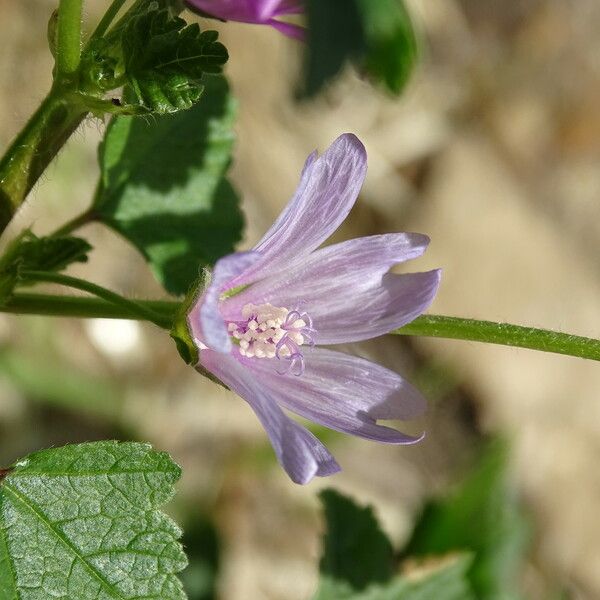
The Cretan Mallow (Malva cretica) is a delicate Mediterranean treasure that paints coastal hillsides and rocky meadows with soft shades of lilac and pink. While it might look like a wilder, more petite cousin of the garden Hollyhock, this resilient annual is a master of survival in the sun-drenched landscapes of Southern Europe. Often called the "Mediterranean Mallow," it has been a staple of wild landscapes for centuries, bridging the gap between a rugged wildflower and a graceful ornamental.
🔍 How to Identify
- 🌸 The Bloom: Features five heart-shaped petals that are typically pale pink or lavender, marked with distinct, darker magenta veins that act as "landing strips" for bees.
- 🍃 The Foliage: Lower leaves are rounded and kidney-shaped, while the upper leaves become more deeply lobed and "toothed," giving the plant a varied, textured appearance.
- 🌿 The Stem: The plant is covered in fine, soft hairs (pubescence), which help it retain moisture in the hot Mediterranean sun. It usually grows in an upright but slightly sprawling habit.
🏡 In Your Garden
- ☀️ Sun Seeker: This plant thrives in "neglect" compared to fussy tropicals. It craves full sun and sharp-draining soil; if the roots sit in water, the plant will quickly decline.
- 🐝 Pollinator Magnet: It is a high-value plant for solitary bees and butterflies. Because it blooms through the spring and early summer, it provides a vital nectar source when other wildflowers might be fading.
- 🌱 Self-Sowing Nature: While it is an annual, it is an expert at dropping seeds. Once established, you’ll likely see "volunteers" popping up next season, making it perfect for a low-maintenance wildflower corner.
⚠️ Safety & Toxicity
- 🟢 Non-Toxic: Most members of the Malva family are considered non-toxic to humans, cats, and dogs. In some cultures, various mallow species are even used in traditional salads or teas.
- 🌾 Skin Sensitivity: While not poisonous, the fine hairs on the stems can occasionally cause very mild skin irritation for people with highly sensitive skin. It is always best to wear gloves if you are doing heavy pruning.
✨ Fun Fact
The English word "Mauve" actually comes from the French word for this genus, Malva. Before it was a common color name, "mauve" was simply the word used to describe the distinctive, pale purple hue of the mallow flower.

Detailed Care Instructions
To grow Malva cretica, also known as Greek Hollyhock or Kerro, follow these steps:
- Selection of the planting site: Choose a location that receives full or partial sunlight. The soil should be well-draining and rich in organic matter.
- Soil preparation: Before planting, prepare the soil by removing any weeds or debris. Loosen the soil using a garden fork or tiller and mix in compost or well-rotted manure to improve its fertility and drainage.
- Planting: Malva cretica can be grown from seeds or by transplanting seedlings. If starting from seeds, sow them directly into the prepared soil in spring or early summer when the soil has warmed up. Sprinkle the seeds evenly on the soil surface and lightly press them into the soil. Keep the soil moist during germination, which usually takes 10-14 days. If using seedlings, transplant them into the prepared soil at the same depth they were growing in their pots.
- Watering: Keep the soil consistently moist but not waterlogged. Water the plants deeply when the top inch of soil feels dry. Avoid overhead watering to prevent leaf diseases. Instead, water at the base of the plant to ensure the roots receive adequate moisture.
- Mulching: Apply a layer of organic mulch, such as straw or wood chips, around the base of the plant. Mulching helps retain soil moisture, suppress weeds, and regulate soil temperature.
- Fertilization: Malva cretica doesn't require heavy fertilization, but you can apply a balanced organic fertilizer once or twice during the growing season to promote healthy growth. Follow the package instructions for the recommended dosage.
- Pruning: Regularly remove spent flowers to encourage continuous blooming. Pruning can also help maintain a compact and bushier growth habit. Additionally, trimming back the plant in late summer or fall can prevent it from becoming too woody.
- Pests and diseases: Malva cretica is generally resistant to most pests and diseases. However, keep an eye out for aphids, slugs, and snails, which can occasionally feed on the leaves. Promptly remove any affected leaves or pests and consider using organic pest control methods if necessary.
Remember to provide support like stakes or a trellis if the plant requires it and enjoy the vibrant flowers that Malva cretica produces.

Place in a bright room that is sun drenched almost all day. Or directly in a south-facing window.

Malva Cretica is a herbaceous perennial plant that requires adequate watering to grow and thrive. When watering Malva Cretica, it is important to keep the soil moist but not waterlogged. This plant prefers well-draining soil, so it is important to avoid overwatering. Generally, watering once or twice a week is enough to keep the soil moist and the plant healthy. The plant should be watered deeply, but avoid watering the foliage or flowers as this can cause fungal growth. During the hot summer months, the plant may require more frequent watering. It is essential to keep an eye on the soil's moisture level and provide additional water as needed. It is also essential to note that water requirements can vary based on the plant's location, soil types, and growing conditions.
To fertilize the Malva Cretica plant, use a well-balanced, slow-release fertilizer. Follow the manufacturer's instructions for the recommended dosage and frequency. Generally, apply the fertilizer evenly around the base of the plant, keeping it away from the stems. Water the plant thoroughly after fertilizing to help the nutrients penetrate the soil. However, avoid over-fertilizing as it can damage the plant's roots and negatively impact its health. Regularly monitor the plant's growth and adjust the fertilization schedule accordingly.
Malva Cretica plant grows best in a well-drained soil with a neutral to alkaline pH range. It prefers a soil that is rich in organic matter, such as compost or well-rotted manure. The soil should also be kept consistently moist, but not waterlogged. It is recommended to avoid using heavy clay soils or soils that are prone to waterlogging, as this can lead to root rot and other plant diseases. Additionally, adding a layer of mulch around the plant can help to maintain soil moisture and suppress weed growth.
Propagation of Malva Cretica can be done through both seeds and cuttings. Here is a detailed guide on how to propagate this plant using each method:
Propagation from Seeds:
- Collect mature seeds from the Malva Cretica plant when they have turned brown and dry. This is usually during late summer or early autumn.
- Prepare a seed tray or small pots with well-draining potting mix. Moisten the soil before sowing the seeds.
- Sow the Malva Cretica seeds on the soil surface, lightly pressing them into the soil. Do not cover the seeds with soil, as they require light for germination.
- Place the tray or pots in a warm and bright location, ensuring they receive indirect sunlight. Maintain consistent moisture in the soil by misting lightly or watering from below.
- Germination usually takes about 2-3 weeks. Once the seedlings have developed a few sets of true leaves, they can be transplanted to individual pots or garden beds.
Propagation from Cuttings: - Take 4-6 inch stem cuttings from a healthy Malva Cretica plant during spring or early summer. Choose a stem without flower buds.
- Prepare a pot or container filled with a well-draining potting mix. Moisten the soil before proceeding.
- Remove the lower leaves from the cutting, leaving only a few pairs of upper leaves. This will prevent excessive water loss.
- Dip the cut end of the stem into a rooting hormone to encourage root development. Shake off any excess powder.
- Create a planting hole in the soil using a pencil or similar tool. Insert the cutting into the hole, gently firming the soil around it.
- Place the pot in a warm and bright location, avoiding direct sunlight. Maintain consistent moisture in the soil by misting lightly or watering from below.
- After a few weeks, the cutting should develop roots. You can check by gently tugging on the stem to feel resistance. Once roots have formed, the cutting can be transplanted to a larger pot or garden bed.
Regardless of the chosen propagation method, it is important to provide the propagated Malva Cretica plants with proper care, including regular watering, well-draining soil, and adequate sunlight or bright indirect light.








