Plant Overview
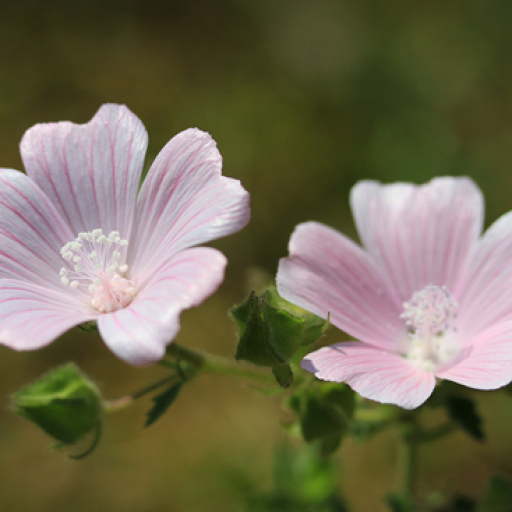
Known as the Spanish Mallow, Malva hispanica is a delicate Mediterranean beauty that looks like a wild, miniature version of a Hibiscus. Native to the sun-drenched landscapes of Spain, Portugal, and North Africa, this annual wildflower is celebrated for its ethereal, paper-thin petals and its ability to thrive where other plants might wither under the heat. In the language of flowers, mallows often represent "sweetness" and "maternal love," a fitting tribute to their soft, glowing presence in a dry summer meadow.
🔍 How to Identify
- 🌸 The Bloom: Large, funnel-shaped flowers that range from soft baby pink to a deep lilac. Each of the five petals features a distinct "notched" or heart-shaped tip.
- 🍃 Leaf Structure: The lower leaves are rounded and kidney-shaped, while the upper leaves become more deeply lobed and "finger-like," a common trait among Mediterranean mallows.
- 🖋️ Petal Veining: If you look closely, you’ll see delicate, darker pink "nectar guides" or veins radiating from the center, acting like a landing strip for thirsty pollinators.
- ☁️ Stem Texture: The stems are often covered in fine, soft hairs (pubescence), which help the plant retain moisture in the scorching Spanish sun.
🏡 In Your Garden
- 🌞 The Sun-Seeker: Unlike some garden plants that crave shade, the Spanish Mallow thrives in full, intense sunlight. It has evolved to handle rocky, limestone-rich soils, making it perfect for rock gardens or coastal areas.
- 🌱 The Taproot Rule: This plant develops a deep taproot quite quickly to find water deep underground. Because of this, it hates being moved once established—it's best to sow seeds directly where you want them to stay forever.
- 🐝 Pollinator Magnet: It is a high-value plant for solitary bees and butterflies. Because it blooms when many other spring flowers have faded, it provides a vital late-season food source.
⚠️ Safety & Toxicity
- ✅ Safe for All: Malva hispanica is generally considered non-toxic to humans, dogs, and cats. In many Mediterranean cultures, various wild mallows are actually used in traditional salads or herbal teas.
- 🌾 Skin Sensitivity: While not poisonous, the fine hairs on the stems can sometimes cause very mild skin irritation for people with highly sensitive skin.
- 🧪 Foraging Note: If you find it growing wild by a roadside, avoid touching or tasting it, as these plants are excellent at absorbing pollutants and heavy metals from the soil.
✨ Fun Fact
The word "Mallow" is the origin of the word "Marshmallow." Long ago, a confection was made from the sap of a related plant, the Marsh Mallow (Althaea officinalis). While the Spanish Mallow isn't the primary ingredient for candy, its cousins quite literally gave us the name of the world's favorite campfire treat!

Detailed Care Instructions
To grow Malva Hispanica, also known as the Spanish Mallow, follow these steps:
- Climate and soil requirements: Malva Hispanica thrives in a sunny location that receives at least six hours of direct sunlight per day. It prefers well-draining, fertile soil with a pH range of 6.0 to 7.0.
- Planting: Sow the seeds directly into the soil in the spring after the last frost. Space the seeds about 12 inches apart and cover them with a thin layer of soil, around 1/8 inch deep. Alternatively, you can start the seeds indoors four to six weeks before the last frost and then transplant the seedlings outdoors.
- Watering: Keep the soil moist but not waterlogged. Irrigate the plant regularly, especially during hot and dry periods. Avoid overwatering, as it can lead to root rot.
- Fertilization: Apply a balanced, slow-release organic fertilizer to the soil during planting. Additionally, you can use a water-soluble fertilizer every two to three weeks during the growing season to promote healthy growth.
- Pruning: Pinch back the tips of young plants to encourage bushier growth. This will result in more flower production. Regular deadheading (removal of spent blooms) will also prolong the flowering period.
- Mulching: Apply a layer of organic mulch around the base of the plant to help retain moisture, suppress weed growth, and regulate soil temperature.
- Pests and diseases: Malva Hispanica is generally not highly susceptible to pests and diseases. However, some common issues may include aphids, spider mites, powdery mildew, and leaf spot. Monitor your plants regularly and treat any issues promptly using organic pest control methods or appropriate fungicides, if necessary.
- Harvesting: The flowers of Malva Hispanica can be harvested when they are fully open and at their peak beauty. Snip the flowers in the morning after the dew has dried. Harvesting the flowers regularly will encourage new blooms.
Following these guidelines should help you successfully grow Malva Hispanica. Enjoy your beautiful Spanish Mallow plant!
To water this particular plant, you will need to ensure that the soil is consistently moist but not waterlogged. You should water deeply, making sure that the water reaches the root zone of the plant. It is recommended to water the plant regularly, at least once a week or more frequently during hot and dry weather conditions. When watering, try to avoid getting water on the foliage or flowers, as this can increase the risk of fungal diseases. Consider using a soaker hose or drip irrigation system to ensure even watering. Additionally, monitor the soil moisture level regularly by inserting your finger into the soil to a depth of 2-3 inches. If the soil feels dry, water the plant.
To fertilize this plant, apply a balanced fertilizer once every two weeks during the growing season. Use a slow-release fertilizer or dilute a liquid fertilizer to half strength. Avoid over-fertilizing and follow the manufacturer's instructions for the specific fertilizer being used. Water the plant thoroughly before and after fertilizing to prevent root burn.
The ideal soil for Malva Hispanica plants is a well-draining soil that is rich in organic matter. It should have a slightly acidic to neutral pH level, between 6.0 to 7.0. The soil should also be able to retain moisture, but not be waterlogged, as this can cause root rot. It is recommended to mix in compost, peat moss, or other organic matter to the soil before planting to improve soil structure and nutrition. Additionally, the plant prefers full sun to partial shade and requires regular watering.
To propagate this plant, start by taking cuttings from healthy parent plants. Choose a stem that is green and not too woody. Cut the stem at a 45-degree angle with a sharp, sterilized knife, and remove any leaves from the bottom half of the stem.
Dip the cut end of the stem into rooting hormone powder, and then insert it into a pot filled with well-draining soil. Water the soil lightly and cover the pot with a plastic bag or clear plastic wrap to create a mini-greenhouse for the cuttings.
Place the pot in a bright, warm location, but out of direct sunlight. Check the soil moisture regularly and water when it feels dry to the touch. After a few weeks, the cuttings should start to develop roots and show signs of new growth.
Once the cuttings have established roots and are growing well, they can be transplanted into larger pots or planted directly into the garden. It is important to protect the new plants from harsh sunlight and excessive wind until they are fully established. With proper care, the propagated Malva Hispanica plants will grow and thrive.








