Plant Overview
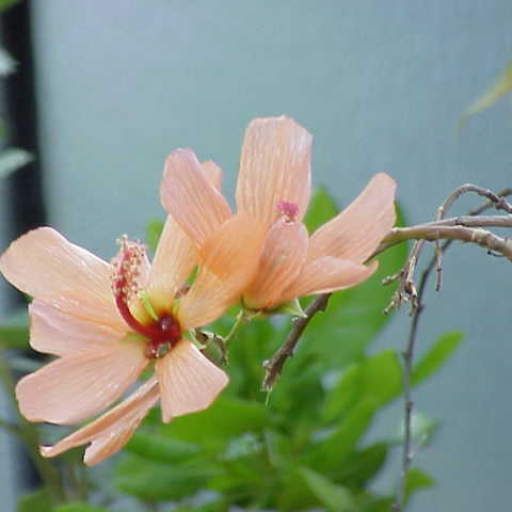
Known as the Canary Island Mallow, Malva phoenicea is a rare and striking treasure hailing from the volcanic slopes of the Canary Islands. Unlike the common garden mallow that sprawls across the ground, this species grows with an upright, shrub-like elegance, showing off nodding flowers that look like miniature, velvet hibiscus. In the wild, it clings to rocky cliffs, making it a rugged survivor with a refined, royal appearance.
🔍 How to Identify
- 🌺 The Flowers: Deep magenta or reddish-purple blooms that hang downward (nodding). They feature dark, dramatic veining that radiates from the center, typical of the Malvaceae family.
- 🍃 The Foliage: Heart-shaped or slightly lobed leaves with a soft, velvety texture due to fine hairs. They provide a matte green backdrop that makes the vibrant flowers pop.
- Standing Tall:** It forms a woody base (subshrub) and can reach heights of 3 to 5 feet, giving it a much more structural presence than its creeping relatives.
🏡 In Your Garden
- 🌋 Volcanic Roots: Because it originates from rocky islands, this plant demands exceptional drainage. It hates "wet feet" and will suffer in heavy clay; a gritty or sandy soil mix mimics its home best.
- ✂️ The Leggy Look: Without occasional pinching or pruning after a flowering flush, it can become tall and sparse. Trimming it back encourages a bushier shape and more flower buds.
- ☀️ Sun Seeker: It thrives in full sun but appreciates a spot protected from harsh, drying winds, which can tatter its soft leaves.
⚠️ Safety & Toxicity
- ✅ Safe Status: Malva phoenicea is generally considered non-toxic to humans and common household pets.
- 🧤 Skin Sensitivity: While not poisonous, the fine hairs on the stems and leaves can occasionally cause mild skin irritation for people with very sensitive skin. Wearing gloves during heavy pruning is a good practice.
✨ Fun Fact
This plant is a "living fossil" of the Macaronesian islands. While many of its mainland European cousins evolved to be small herbs, Malva phoenicea followed a path called "island gigantism," evolving into a woody, tree-like shrub to fill ecological niches on the islands!

Detailed Care Instructions
Malva Phoenicea, also known as crimson cup mallow, is a beautiful perennial plant that can be grown in warmer climates. Here are some tips on how to grow Malva Phoenicea:
- Choose a sunny location: Malva Phoenicea thrives in full sun, so make sure to plant it in a location that receives at least 6-8 hours of sunlight per day.
- Prepare the soil: Malva Phoenicea prefers well-draining soil with a slightly acidic to neutral pH. Amend the soil with compost or organic matter before planting to improve drainage and fertility.
- Planting: Plant Malva Phoenicea in the spring or fall, spacing the plants about 1-2 feet apart. Dig a hole slightly larger than the root ball and place the plant in the hole, filling in with soil and patting down gently.
- Watering: Keep the soil consistently moist but not waterlogged. Water the plants deeply once a week, or more often during hot and dry weather.
- Fertilizing: Feed Malva Phoenicea with a balanced fertilizer in the spring and summer to promote healthy growth and flowering.
- Mulching: Apply a 2-3 inch layer of mulch around the plants to conserve moisture, suppress weeds, and regulate soil temperature.
- Pruning: Malva Phoenicea does not require much pruning, but you can deadhead spent flowers to encourage more blooms.
- Pests and diseases: Keep an eye out for common pests and diseases such as aphids, leaf miners, and powdery mildew. Treat as needed with organic or chemical controls.
By following these tips, you can successfully grow Malva Phoenicea and enjoy its beautiful crimson flowers in your garden.
Malva Phoenicea requires regular watering to thrive, especially during periods of active growth. In general, it is recommended to water the plant deeply but infrequently to encourage deep root growth. Allow the soil to dry out slightly between waterings to prevent root rot and other water-related issues.
When watering, ensure that the water reaches the root zone of the plant and does not simply wet the surface of the soil. It is best to water at the base of the plant rather than overhead to prevent the foliage from getting wet, which can lead to diseases.
Consider using a drip irrigation system or a soaker hose to provide the plant with a slow, consistent water supply. This can help prevent water run-off and ensure that the plant receives an adequate amount of moisture.
During hot summer months or dry periods, you may need to increase the frequency of watering to keep the plant healthy and hydrated. Be mindful of weather conditions and adjust your watering schedule accordingly.
It is important to monitor the soil moisture levels regularly and adjust your watering routine as needed to provide optimal growing conditions for Malva Phoenicea. Remember that overwatering can be just as damaging as underwatering, so try to find a balance that works well for your plant.
To fertilize Malva Phoenicea, use a balanced fertilizer with equal parts nitrogen, phosphorus, and potassium. Apply the fertilizer in early spring before new growth starts and then again in mid-summer. Only use a small amount of fertilizer to avoid over-fertilizing, which can harm the plant. Water the plant well after fertilizing to help the nutrients penetrate the soil and reach the roots.
Malva Phoenicea plants thrive in well-draining soil that is rich in organic matter. A good soil mix for this plant consists of equal parts of loam, sand, and compost. The loam provides essential nutrients and minerals for the plant's growth, while the sand helps to improve drainage and aeration. The compost adds organic matter to the soil, which helps to retain moisture and promote healthy root development. Additionally, adding perlite or vermiculite to the soil mix can further enhance drainage and prevent the soil from becoming compacted. Overall, a well-balanced soil mix will provide the ideal growing conditions for Malva Phoenicea plants and support their overall health and vigor.
Malva Phoenicea can be propagated through seeds or by taking softwood cuttings.
To propagate through seeds, collect mature seeds from the plant and sow them in a well-draining soil mix. Keep the soil moist and place the seeds in a warm, sunny location. Germination may take a few weeks to occur.
To propagate through cuttings, take softwood cuttings from the plant in the spring or early summer. Cuttings should be around 4-6 inches long and have a few leaves on them. Dip the cut end in rooting hormone and plant the cutting in a well-draining soil mix. Keep the soil consistently moist and place the cutting in a warm, sunny location. Roots should develop within a few weeks.
Regardless of the propagation method used, it is important to provide the newly propagated plants with proper care and maintenance to ensure their healthy growth and development.








