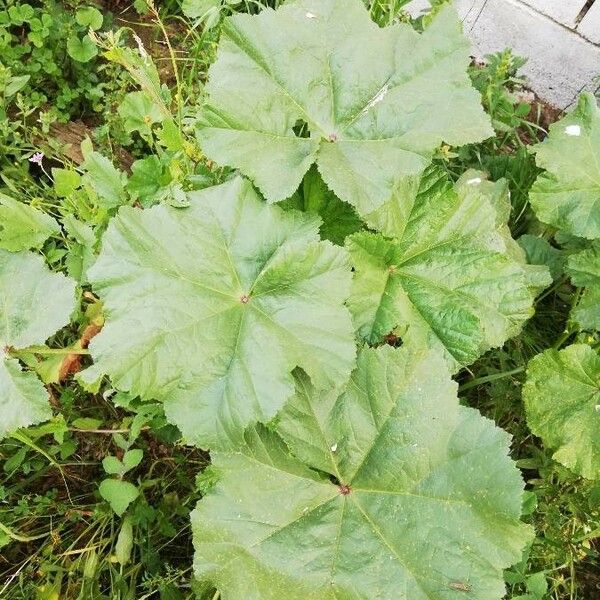
Plant Overview
The Malva setigera, often known by its common name, the Bristly Mallow, is a humble but hardy traveler from the Mediterranean. Unlike its tall, showy Hollyhock cousins, this plant keeps a low profile, hugging the ground with a fuzzy, almost "hirsute" coat of stiff hairs. It is a master of survival in dry, rocky soils where other plants might wither.
🔍 How to Identify
- 🌸 The Bloom: Look for delicate, pale lilac or soft pink flowers with five petals. They often feature darker magenta veins that act as "landing strips" for tiny pollinators.
- 🌵 The Texture: True to its name, the stems and leaves are covered in stiff, bristly hairs (hispid). If you run your finger along the stem, it feels rough rather than soft.
- 🍃 The Foliage: The lower leaves are rounded and heart-shaped, while the upper leaves become more deeply lobed and finger-like, creating a varied silhouette.
🏡 In Your Garden
- ☀️ Sun Seeker: This plant thrives in full sun and is exceptionally drought-tolerant. It is the perfect candidate for "neglected" corners of the garden or rockery sections where the soil is thin.
- 🐝 Pollinator Magnet: While it may look like a weed to some, it is a vital source of nectar for small solitary bees and hoverflies. Its presence encourages a healthy, biodiverse backyard ecosystem.
⚠️ Safety & Toxicity
- ✅ Safe Status: The Bristly Mallow is generally considered non-toxic to humans, cats, and dogs. It belongs to a family (Malvaceae) known for being quite gentle.
- 🌱 Nitrate Note: While not poisonous, plants in the mallow family can sometimes accumulate nitrates if grown in heavily chemically-fertilized soils, which can be irritating if consumed in very large quantities.
✨ Fun Fact
The species name setigera literally translates to "bristle-bearing" in Latin. In some cultures, the small, circular seed pods of mallows are called "little cheeses" because they look exactly like tiny, green wheels of gourmet cheese!

Detailed Care Instructions
To grow a Malva Setigera plant, follow these steps:
- Choose a suitable location: Malva Setigera plants prefer full sun to partial shade. Find a spot in your garden or balcony that gets at least 4-6 hours of direct sunlight every day.
- Prepare the soil: Malva Setigera plants prefer well-draining soil with a slightly acidic to neutral pH. If your soil is heavy or clayey, consider adding organic matter like compost or well-rotted manure to improve drainage.
- Plant the seeds or seedlings: You can start Malva Setigera from seeds or purchase young seedlings from nurseries. If starting from seeds, sow them in the prepared soil about 1/4 inch deep and lightly cover them with soil. If using seedlings, dig a hole large enough to accommodate the root ball, place the seedling in the hole, and cover the roots with soil.
- Watering: Keep the soil evenly moist but not waterlogged. Water the plants deeply once or twice a week, depending on the weather conditions. Avoid overwatering to prevent root rot.
- Mulching and weed control: Apply a layer of organic mulch around the base of the plant to help retain moisture, suppress weeds, and regulate soil temperature. Mulching also adds organic matter to the soil as it decomposes.
- Fertilization: Malva Setigera plants are generally low-maintenance and do not require heavy fertilization. However, you can apply a balanced, slow-release fertilizer once or twice during the growing season to promote healthy growth and flowering.
- Pruning: Trim off any dead, damaged, or diseased branches regularly. Pruning can also help maintain a desired shape or size and encourage bushier growth.
- Pests and diseases: Malva Setigera plants are generally resistant to pests and diseases. However, keep an eye out for common plant pests like aphids, slugs, and snails. If infestations occur, use organic pest control methods or consult with a local gardening expert.
- Support: Depending on the size and growth habit of the plant, you may need to provide support like stakes or a trellis to prevent the plant from bending or toppling over.
- Harvesting: Malva Setigera produces lovely pink flowers that can be enjoyed for their aesthetics. If you want to collect seeds, allow the flowers to mature and dry on the plant. Once the flowers have dried, you can gently collect the seeds for future planting.
Remember to research and understand your specific growing zone and climate conditions to ensure optimal care for the Malva Setigera plant.
To water the plant that belongs to the Malva Setigera species, first, check the soil moisture level by inserting your finger about an inch into the soil. If the soil feels dry, you can water the plant. Use a watering can or a hose with a gentle flow to slowly water the soil around the base of the plant. Be careful not to overwater, as this plant prefers well-drained soil. Avoid getting water on the leaves as this can cause fungal diseases. Water the plant regularly, but allow the soil to dry out slightly before the next watering. During hot and dry weather, the plant may require more frequent watering.
Fertilize the plant once a month during the growing season using a balanced fertilizer with equal parts nitrogen, phosphorus, and potassium. Apply the fertilizer around the base of the plant and water thoroughly after application. Avoid overfertilizing as it can lead to excessive foliage growth and reduce flowering.
The soil that is best suited for the Malva Setigera plant is a well-draining soil that is slightly acidic and rich in organic matter. The soil should have good water retention capacity, but also allow for excess water to drain away. The pH range of the soil should be between 5.5 and 6.5. It is recommended to mix the soil with compost or other organic matter to improve its quality. The plant prefers a sunny spot with at least 4 to 6 hours of direct sunlight per day. The soil should also be kept moist, but not waterlogged. Overwatering and waterlogged soil can cause damage to the roots and promote the growth of diseases. It is important to allow the top layer of soil to dry out slightly before watering the plant again. By following these guidelines, the Malva Setigera plant can thrive and produce beautiful flowers.
To propagate this plant, first select a healthy and mature stem that is at least 4-6 inches long. Using a sharp and sterile knife or scissors, carefully cut the stem right below a node. Remove any leaves or flowers from the lower half of the stem.
Next, prepare a pot with well-draining soil and water it thoroughly. Make a hole in the soil with your finger or a pencil and insert the stem cutting into the soil, burying the lower half.
Cover the pot with a clear plastic bag to create a greenhouse-like environment and prevent moisture loss. Place it in a warm and bright location, but out of direct sunlight.
Check the pot frequently and water it as needed to keep the soil moist but not waterlogged. After 2-4 weeks, roots should start to form at the base of the stem cutting.
Once the roots are established, remove the plastic bag and gradually acclimate the new plant to brighter light and lower humidity. When it has grown enough to handle, transplant it to a larger container or the garden.








