Plant Overview
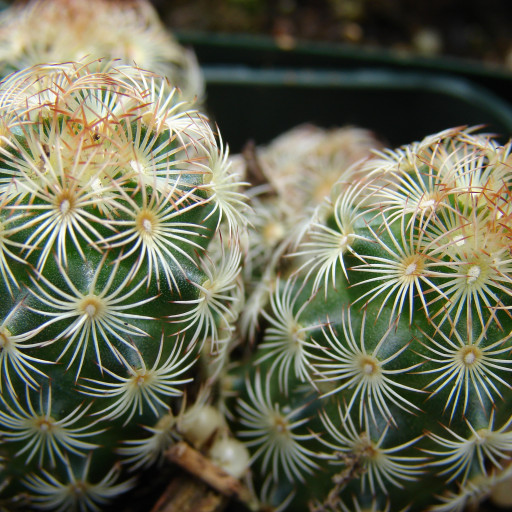
Known affectionately as the Ladyfinger Cactus or Gold Lace Cactus, this central Mexican native is a masterpiece of geometric symmetry. Unlike solitary, towering cacti, the Ladyfinger grows in charming, social huddles of slender stems. Its intricate "lace" of golden spines makes it look more like a piece of desert jewelry than a rugged survivor, making it a top choice for indoor succulent enthusiasts.
🔍 How to Identify
- 🌵 Body Shape: Long, cylindrical stems that resemble fingers, growing upright when young and often trailing or clumping as they age.
- ✨ Spine Arrangement: Each "bump" (tubercle) features a star-burst of 15–20 tiny radial spines that lay flat, creating a woven, golden mesh over the green flesh.
- 🌸 Flower Crown: In late spring, small, bell-shaped flowers in shades of creamy yellow or pale pink emerge in a circular "halo" around the top of the stems.
🏡 In Your Garden
- ☀️ The Sun Factor: This plant is a light-seeker. The more sun it gets, the more intense its golden "lace" becomes; in low light, the spines will thin out, and the stems will stretch (etiolate) ungracefully.
- 🌬️ Crowding & Airflow: Because the stems grow in tight clusters, they are prone to trapping moisture. Ensure your potting mix is extremely gritty and avoid overhead watering to prevent rot from starting between the "fingers."
- 🪴 Pot Selection: It has a shallow root system and prefers wide, shallow containers. It is a "creeping" cactus that loves to fill every available inch of horizontal space.
⚠️ Safety & Toxicity
- 🟢 Non-Toxic: The Ladyfinger Cactus is generally considered safe and non-toxic for cats, dogs, and humans.
- 🧤 Physical Irritation: While the spines are mostly flat and don't "hook" into the skin like some species, they are still sharp. Always use tongs or thick gloves when repotting to avoid tiny, irritating punctures.
✨ Fun Fact
The Mammillaria elongata is a master of disguise! There is a rare "Cristata" variety—often called the Brain Cactus—where a genetic mutation causes the stems to grow in wavy, convoluted folds that look remarkably like a human brain.

Detailed Care Instructions
| Color | White, Yellow |
| Soil Ph | Acidic |
| Humidity | Dry |
| Lighting | Part Sun |
| Soil Type | Sandy, Well-Drained |
| Bloom Time | Summer |
| Difficulty | Easy |
| Plant Type | Cactus |
| Mature Size | To 6 In. Tall, By 12 In. Wide |
| Native Area | Mexico |
| Temperature | 15°C - 30°C |
| Sun Exposure | Full Sun |
| Hardiness Zones | 9-11 |
To grow a Mammillaria Elongata plant, also known as the Ladyfinger Cactus, you can follow these steps:
- Choose a well-draining pot: The plant prefers sandy or gritty soil that allows excess water to drain easily. Select a small pot with drainage holes to prevent waterlogging.
- Soil mixture: Use a specialized cactus or succulent potting mix or create a mix by combining regular potting soil with sand or perlite for better drainage.
- Planting: Gently place the Mammillaria Elongata in the pot and fill it with the prepared soil mixture. Ensure that the plant is centered and stable in the pot.
- Sunlight: Place the pot in a location that receives bright indirect sunlight. Mammillaria Elongata requires around 6-8 hours of sunlight each day, but avoid exposing it to direct sunlight during hot summer afternoons.
- Watering: Water the plant only when the soil is completely dry. Mammillaria Elongata is accustomed to dry conditions, so overwatering can lead to root rot. Allow the soil to dry out between waterings and reduce watering during the winter months.
- Temperature and Humidity: Mammillaria Elongata prefers temperatures between 70-80°F (21-27°C) during the day and cooler temperatures around 55-65°F (13-18°C) at night. It can tolerate high humidity levels, but it doesn't require it.
- Fertilizing: Use a diluted balanced liquid fertilizer during the growing season (spring and summer) once every month. Avoid fertilizing during the winter when the plant is dormant.
- Repotting: As the plant grows, it may require repotting every two to three years. Choose a pot slightly larger than the current one, and follow the same planting instructions as before.
- Pests and diseases: While Mammillaria Elongata is generally resistant to pests and diseases, it can occasionally be affected by mealybugs or scale insects. Inspect the plant regularly and apply an appropriate insecticide if necessary.
Remember to handle the plant with care, as its spines can be sharp and cause skin irritation. With proper care and attention, your Mammillaria Elongata plant should thrive and grow.

Place in a window with dappled sun or a spot in the middle of a room. Or directly in a window facing west or east.

To water this plant, it is important to let the top layer of soil dry out completely before watering again. This plant prefers well-draining soil and should not be left sitting in standing water. When watering, use a watering can or hose and water around the base of the plant, avoiding getting water on the body of the plant. Water until water starts to come out of the bottom drainage hole. During the winter months, cut back on watering as the plant goes into a dormant period.
To fertilize this plant, mix a balanced fertilizer at half strength and apply once a month during the growing season (spring and summer). Do not fertilize during the dormant period (fall and winter). When applying fertilizer, make sure to water the plant thoroughly beforehand to avoid fertilizer burn.
When potting a particular species of cactus plant commonly known as Mammillaria Elongata, it is important to use a well-draining soil mix that is capable of retaining minimal moisture. This kind of cactus requires a soil that is rich in nutrients and well aerated to support strong healthy roots and optimum growth. A suitable soil mix for this species of cactus plant should contain a combination of inorganic and organic materials such as perlite, coarse sand or grit, peat moss, and other well-draining components. A pH range of 5.5 to 7.0 is ideal for this plant, ensuring it is maintained in a slightly acidic or neutral soil environment. Avoid using soils that are heavy in clay and hold excess moisture, as they can cause root rot and other issues. Proper soil preparation and choice are essential to the healthy growth of Mammillaria Elongata and other similar cactus plants.
Propagation of this cactus species involves the use of its offsets. Carefully cut off the offsets from the parent plant using a clean and sharp knife, making sure that each one has its own root system. Allow the cuttings to dry in a shaded area for a few days before planting them. Prepare a well-draining soil mix of sand, perlite, and potting soil, and plant the offsets about an inch deep in the soil. Water the newly planted offsets sparingly, keeping the soil moist but not soaking wet. Place the container in a bright and warm spot, but avoid direct sunlight. The new plant will start to grow roots and establish itself in the soil over the next few weeks.
Common pests of the ladyfinger cactus include Scale insect, mealybugs, spider mites, thrips. Make a habit of checking your ladyfinger cactus frequently for pests so that any infestations can be caught and managed early.








