Plant Overview
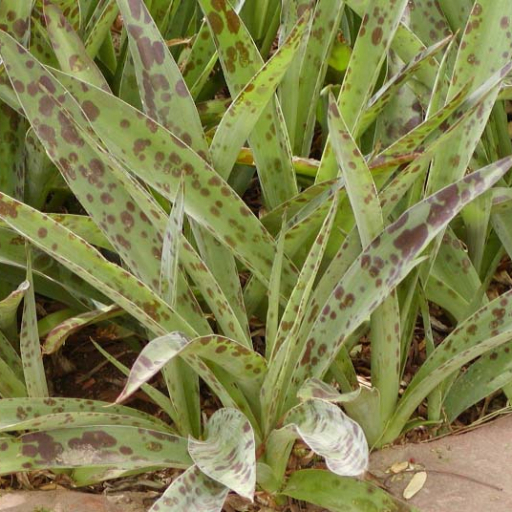
Known affectionately as the Texas Tuberose or Spice Lily, Manfreda maculosa is a charismatic succulent-relative native to the arid scrublands of Southern Texas and Northern Mexico. It is beloved for its "animal print" foliage and its intoxicating, spicy fragrance that fills the air after sunset. Unlike its stiff Agave cousins, this plant features soft, pliable leaves that hug the ground in a stylish, low-profile rosette.
🔍 How to Identify
- 🍃 Leopard Foliage: The most striking feature is the fleshy, lance-shaped leaves which are heavily mottled with irregular purple or maroon spots against a silvery-green backdrop.
- 📏 Low Growth Habit: It forms a "prostrate" rosette, meaning the leaves spread out flat against the soil rather than reaching upward, rarely exceeding 6 inches in height.
- 🌸 Color-Shifting Flowers: It sends up a tall, slender stalk (up to 3 feet) bearing flowers that open creamy-white or green and gradually turn rosy-pink or deep burgundy as they age.
🏡 In Your Garden
- 🌵 Tuberous Resilience: The plant grows from a thick, bulb-like rhizome. This underground storage unit allows it to survive extreme droughts and bounce back even if the top foliage is damaged by heat or grazing.
- 🦋 Nocturnal Magnet: The flowers are "vespertine," meaning they open at night. Their heavy, spicy scent is specifically designed to attract sphinx moths and other nighttime pollinators.
- 💧 Drainage is Key: While it can handle more water than a typical cactus during the growing season, it is highly susceptible to "wet feet." Plant it in rocky or sandy soil to ensure the tuber doesn't rot during winter dormancy.
⚠️ Safety & Toxicity
- 🛡️ Mild Irritant: Manfreda species contain saponins. While not considered deadly, the sap can cause mild skin irritation or "contact dermatitis" in sensitive individuals.
- 🐾 Pet Safety: It is generally considered low-toxicity, but if ingested by dogs or cats, it can cause stomach upset, drooling, or vomiting. It’s best kept as an ornamental rather than a snack.
✨ Fun Fact
Unlike many of its Agave relatives which are "monocarpic" (meaning they flower once and then die), the Texas Tuberose is polycarpic—it can bloom every year for decades without sacrificing itself for the sake of its seeds!

Detailed Care Instructions
To grow Manfreda Maculosa plants, follow these steps:
- Choose the right location: Manfreda Maculosa prefers full sun to partial shade, so select a spot that receives at least six hours of direct sunlight per day. It can also tolerate some shade, especially during the hottest parts of the day.
- Prepare the soil: The plant prefers well-draining soil that is rich in organic matter. Amend the soil with compost or well-rotted manure before planting to improve fertility and drainage.
- Planting: Dig a hole large enough to accommodate the root ball of the plant. Place the plant in the hole, making sure the top of the root ball is level with the soil surface. Fill the hole with soil, gently firming it around the roots. Water thoroughly after planting.
- Watering: Manfreda Maculosa prefers moderate moisture levels. Water deeply when the top inch of the soil feels dry, but avoid overwatering as it can lead to root rot. During hot summer months, you may need to water more frequently.
- Fertilizing: Feed the plant with a balanced slow-release fertilizer in early spring and mid-summer. Follow the instructions on the fertilizer packaging for application rates.
- Mulching: Apply a layer of organic mulch around the base of the plant to help conserve moisture, suppress weed growth, and regulate soil temperature.
- Pruning: Manfreda Maculosa does not typically require pruning. However, you can remove any dead or damaged leaves to maintain the plant's appearance.
- Propagation: The plant can be propagated by division or from offsets. Dividing the plant is best done in early spring before new growth begins. Simply dig up the plant and carefully separate the clumps, making sure each division has several healthy leaves and a section of root.
- Pests and diseases: Manfreda Maculosa is generally resistant to pests and diseases. However, keep an eye out for aphids, mealybugs, or snails, and treat accordingly if necessary.
With proper care and maintenance, your Manfreda Maculosa plant should thrive and grow into a striking addition to your garden or landscape.
To water this plant, you should aim to provide it with regular moisture during its active growing season, typically spring through summer. When watering, it's important to avoid getting water on the leaves, as this can lead to fungal issues. Instead, direct the water straight into the soil around the base of the plant. Allow the top inch or so of soil to dry out before watering again to prevent overwatering and root rot. You may also want to consider providing additional humidity through misting or using a pebble tray. During the plant's dormancy period in fall and winter, reduce watering and allow the soil to dry out more between watering sessions.
- Choose a well-draining soil mix with high organic content.
- Place the plant in a partially shaded area.
- Water the plant deeply but infrequently to avoid waterlogging.
- Apply a balanced liquid fertilizer once a month during the growing season (spring and summer).
- Use a diluted fertilizer solution and follow the manufacturer's instructions carefully.
- Do not fertilize during the plant's dormant period (fall and winter).
- Monitor the plant's growth and adjust the fertilization schedule accordingly.
Manfreda Maculosa plant is a type of plant that requires well-draining soil. The ideal soil for this plant is one that is composed of a mix of sand, peat moss, and perlite. This type of soil helps to prevent water from accumulating at the roots of the plant, which can lead to root rot. Additionally, this type of soil is rich in nutrients, which helps the plant to grow and thrive. It is important to avoid using heavy soils or soils that contain a lot of clay, as these types of soils can hold too much water and suffocate the roots of the plant. Choosing the right soil is crucial for the health and growth of Manfreda Maculosa plant.
To propagate this plant, you will need to carefully remove offsets or plantlets that emerge from the base of the main plant. Use a clean, sharp knife to cut away the offsets, ensuring that each has some roots and a small part of the parent stem attached. Allow the cuttings to dry for a few days to form calluses and then plant them in a well-draining potting mix. Water sparingly at first, keeping the soil moist but not waterlogged until the cuttings have rooted and begun to produce new growth. Provide bright, indirect light and make sure to protect the young plants from direct sunlight or extreme temperatures. With proper care, your new Manfreda Maculosa plants should begin to thrive and produce their unique foliage.








