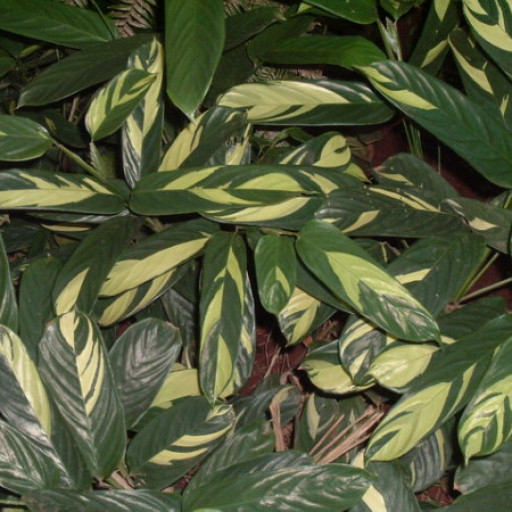
Plant Overview
Known as the "Arrowroot" or "Obedience Plant," this tropical perennial is a staple in Caribbean history and global kitchens alike. While its cousins in the Marantaceae family are prized for their neon patterns, Maranta arundinacea is celebrated for its hidden treasure: the edible starch tucked away in its roots. It brings a lush, jungle-like aesthetic to any indoor space while whispering tales of ancient medicinal use.
🔍 How to Identify
- 🍃 The Foliage: Features large, ovate leaves that are thin, smooth, and vibrant green. Unlike the "Red Prayer Plant," these are usually solid green, though some variegated cultivars exist.
- 🪴 The Growth Habit: It grows in upright clumps, reaching up to 3 feet in a pot. It lacks the "trailing" look of other Marantas, standing more like a small shrub.
- 🦴 The Rhizome: If you peek beneath the soil, you’ll find thick, scaly, creamy-white tubers. These fleshy roots are the source of the famous arrowroot powder.
🏡 In Your Garden
- 💧 The Humidity Requirement: Coming from the rainforest floor, this plant will protest dry air with crispy, brown leaf edges. It thrives in humid environments like bathrooms or near a dedicated humidifier.
- 🌱 Root Sensitivity: Because it grows from rhizomes, it is very sensitive to "wet feet." Ensure your potting mix is airy and well-draining to prevent the tubers from rotting during the dormant winter months.
⚠️ Safety & Toxicity
- ✅ Safe for All: This plant is non-toxic to cats, dogs, and humans. It is one of the few houseplants that is completely "worry-free" for pet owners.
- 🥣 Edible Roots: The starch extracted from the roots is a common gluten-free thickener. However, never consume a houseplant unless you are 100% certain it hasn't been treated with systemic pesticides or fertilizers.
✨ Fun Fact
🏹 The Poison Antidote: The name "Arrowroot" is believed to come from the indigenous Arawak people of the Caribbean, who used the plant's starchy paste to draw out poison from wounds caused by venomous tip-arrows.

Detailed Care Instructions
| Lighting | Part Sun |
| Hardiness Zones | Min 10B |
To grow Maranta Arundinacea, also known as arrowroot plant or prayer plant, you can follow these steps:
- Select a suitable location: Maranta Arundinacea prefers bright but indirect sunlight. Choose a spot that receives partial shade or dappled sunlight. It does well in temperatures between 60-80°F (15-27°C). Avoid extreme temperatures and drafts.
- Use well-draining soil: Arrowroot plants thrive in slightly acidic to neutral soil with good drainage. A mix of peat moss, perlite, and regular potting soil is ideal. Ensure the soil stays moist but not waterlogged.
- Propagate by rhizome division: You can either purchase a mature arrowroot plant, or propagate by dividing the rhizomes. Carefully separate the rhizomes with roots intact and plant them in pots with moist soil.
- Planting: Plant the rhizomes just below the soil surface, leaving the tops exposed. The arrowroot plant has shallow roots, so choose a wide, shallow container. Consider using a container with drainage holes to prevent waterlogging the roots.
- Watering: Keep the soil consistently moist but avoid over-watering. Check the soil moisture regularly by inserting your finger into the soil. Water when the top inch of soil feels slightly dry.
- Humidity: Maranta Arundinacea prefers high humidity levels. You can increase humidity around the plant by misting it regularly or placing a tray filled with water near the plant. Avoid misting the leaves directly as it can lead to fungal issues.
- Fertilization: Use a balanced, water-soluble houseplant fertilizer during the growing season (spring and summer) every month or as directed on the fertilizer packaging. Reduce or stop fertilizing during the winter dormant period.
- Maintenance: Trim any yellow or brown leaves to maintain plant health and appearance. Regularly check for pests such as spider mites and mealybugs. Treat any infestations promptly with appropriate insecticides or natural remedies.
- Propagate from cuttings: If you want to propagate your Arrowroot plant further, take stem cuttings with a node attached and root them in water or directly in soil. Keep the soil consistently moist until roots develop.
Remember, Arrowroot plants are somewhat sensitive, so it may take some trial and error to provide the optimal conditions for growth. Be patient and adjust care as needed.

Place in a window with dappled sun or a spot in the middle of a room. Or directly in a window facing west or east.

To water this plant, ensure that the soil is dry to the touch before watering. When watering, thoroughly saturate the soil until the water runs out of the drainage holes. Avoid letting the plant sit in standing water. It is best to water this plant less frequently but thoroughly. Ensure that the plant is not exposed to direct sunlight as it can scorch the leaves and cause dryness. Instead, place it in a spot with bright, indirect light. Finally, monitor the humidity levels around the plant as it prefers high humidity and may benefit from being placed near a humidifier or in a room with a higher humidity level.
To fertilize this plant, it is recommended to use a balanced fertilizer with an NPK ratio of 20-20-20. Apply the fertilizer every month during the growing season, which is typically from spring to summer. Mix the fertilizer with water according to the instructions on the package and water the plant with the solution. Be careful not to over-fertilize as it can cause damage to the plant.
Maranta Arundinacea plant requires a well-draining soil that is rich in organic matter. The soil should be slightly acidic to neutral, with a pH range of 6.0 to 7.0. It should be moist but not waterlogged, with good aeration to allow proper root growth and prevent root rot. A mix of peat moss, perlite, and vermiculite or a commercial soil mix specifically designed for tropical plants can be used as a growing medium for the Maranta Arundinacea plant. The soil should be kept consistently moist but not wet, and the plant should be watered when the top inch of soil feels dry to the touch. Fertilizing the plant with a balanced fertilizer every one to two months during the growing season can help promote healthy growth. Avoid using soil that is compacted or heavy, as this can prevent proper drainage and cause root rot.
To propagate this plant, one should first acquire a healthy specimen. Using sharp shears or a knife, a portion of the stem should be cut just below a leaf node, where a leaf attaches to the stem. The cutting should be about 3-4 inches long and should contain at least one leaf. The lower leaves should be removed, leaving only a few at the top of the cutting.
The cutting should then be placed in a pot with well-draining soil, and watered sparingly. It should be kept in a warm, humid environment with filtered light, as direct sunlight can harm the plant.
Over the next several weeks, the cutting should begin to root, and new growth should appear at the top. Once the roots are well-established and the plant has grown several new leaves, it can be transplanted into a larger pot or into the garden.
It is important to be patient during the propagation process, as it can take several months for the plant to fully establish itself. Regular care, including proper watering and fertilizing, will help promote healthy growth and the development of new shoots.
Common pests of the arrowroot include Spider mites, fungus gnats, thrips. Make a habit of checking your arrowroot frequently for pests so that any infestations can be caught and managed early.








