Plant Overview
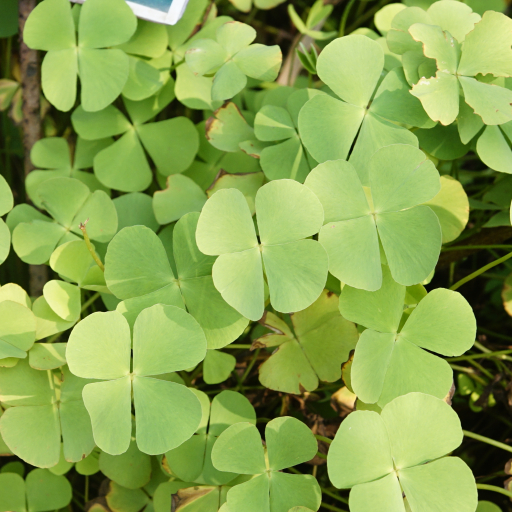
Often called the "Dwarf Water Clover," Marsilea minuta is a whimsical fern that brings the classic "lucky charm" look to the underwater world. Native to tropical regions of Asia and Africa, this plant is a favorite for aquascapers looking to create lush, emerald carpets in fish tanks or ponds. While it looks exactly like a lucky clover, it is actually an ancient fern that has mastered the art of living both on land and submerged in water.
🔍 How to Identify
- 🍀 The Leaf Shape: Features four distinct, wedge-shaped leaflets that meet at a central point, creating the perfect silhouette of a four-leaf clover.
- 🌊 Adaptive Height: It is a master of disguise; in high light, it stays as a low-creeping carpet, but in shaded or deep water, it sends up long, thin stems to reach for the surface.
- 🧶 The Rhizome: Unlike traditional flowers, it spreads via a "runner" or rhizome—a thin, green vine that creeps along the soil, pinning itself down with tiny roots as it travels.
🏡 In Your Garden
- 💧 Water Logged: This plant thrives with its "feet" wet. It is ideal for the foreground of an aquarium or the boggy, damp edges of a garden pond where other plants might drown.
- 🌱 Substrate Preference: It loves nutrient-rich, fine-grained soil. Because it has very delicate roots, it can struggle in heavy gravel; providing a soft "bed" helps its runners spread into a dense, green mat.
⚠️ Safety & Toxicity
- 🐾 Pet Safety: Marsilea minuta is generally considered non-toxic to cats, dogs, and horses when used as an ornamental plant in your home or garden.
- ⚠️ Not for Snacking: While not traditionally "poisonous," many species in the Marsilea family contain thiaminase, an enzyme that can interfere with Vitamin B1 absorption if eaten raw in large quantities. It is best kept as a decorative piece rather than a garden snack.
✨ Fun Fact
- 🌙 Sleep Movements: This plant exhibits "nyctinasty," which means it follows a circadian rhythm. Its leaflets fold up tightly at night as if it is going to sleep, only to unfurl again at the first sign of morning light.

Detailed Care Instructions
To grow Marsilea minuta, also known as water clover or dwarf water clover, follow these steps:
- Place the plant in a container or aquarium with low to medium light conditions. Marsilea minuta prefers moderate lighting and can tolerate some shade.
- Provide proper water conditions. This plant thrives in both freshwater and brackish water. Make sure the water is clean and has a pH level between 6.5-7.5.
- Maintain a temperature between 70-80°F (21-27°C). This species prefers warmer water temperatures, so provide a heater if necessary to keep the water within the desired range.
- Use a nutrient-rich substrate. Marsilea minuta will benefit from a substrate that contains nutrients to support its growth. You can use specialized aquarium plant substrates or mix regular gravel with nutrient-rich supplements.
- Plant the Marsilea minuta. Gently place the plants in the substrate, burying their roots slightly but leaving the leafy part above the surface. Be careful not to bury the crown of the plant as it may cause rot.
- Maintain proper water circulation. Marsilea minuta prefers water movement that is not too intense but enough to prevent stagnation. This can be achieved using a powerhead or by adjusting filter settings.
- Regularly dose with liquid fertilizers. Provide essential nutrients to the plant by adding liquid fertilizers designed specifically for aquatic plants. Follow the instructions on the fertilizer package for proper dosage.
- Trim and maintain the plant. Regularly trim any overgrown or decaying parts of the plant to promote healthy growth. Be careful not to uproot the plant while trimming, as Marsilea minuta has delicate roots.
- Monitor water parameters. Ensure that the water conditions, such as temperature, pH, and nutrient levels, remain within the suitable range for the plant's growth. Regularly check and adjust these parameters as necessary.
- Be patient and observe. Marsilea minuta may take some time to acclimate and establish in its new environment. Observe the plant's growth and make adjustments to the care if necessary.
By following these steps and providing the proper care, you can successfully grow and maintain Marsilea minuta in your aquarium or container.

Place in a window with dappled sun or a spot in the middle of a room. Or directly in a window facing west or east.
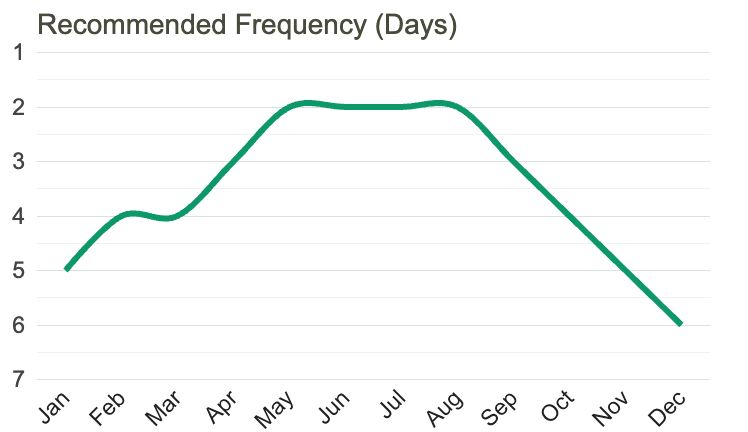
To ensure the proper watering of the Marsilea Minuta plant, it is important to consider a few tips. Firstly, it's crucial to understand the plant's moisture requirements and provide it with adequate water. The ideal watering technique for this plant is as follows:
1. Evaluate moisture levels: Before watering, it is essential to check the soil moisture content. Insert your finger about an inch deep into the soil near the plant's root zone. If it feels dry, it's time to water.
2. Watering frequency: Marsilea Minuta plants prefer moist soil conditions. It is recommended to water consistently to maintain the soil's moisture level. However, overwatering should be avoided as it can lead to root rot and other problems. The frequency of watering usually depends on various factors such as climate, temperature, and humidity.
3. Watering technique: To water the plant, use a watering can or a gentle stream of water. Slowly pour the water near the base of the plant, allowing it to seep into the soil. This method prevents excessive runoff and ensures that the water reaches the plant's roots effectively.
4. Soil drainage: Marsilea Minuta plants thrive well in well-draining soil. After watering, ensure that the excess water can easily drain away from the plant. If the soil becomes waterlogged, it can lead to root suffocation and other issues. If needed, consider adding organic matter or perlite to the soil to improve drainage.
5. Monitoring signs of underwatering or overwatering: Regularly observe the plant for signs of underwatering or overwatering. Drooping leaves or dry, brittle foliage may indicate insufficient water, while yellowing leaves or wilting can suggest overwatering. Adjust the watering schedule accordingly based on these signs to maintain a balanced moisture level.
6. Environmental factors: It's important to consider environmental factors that can affect the plant's water requirements. For instance, during hot and dry weather, the Marsilea Minuta plant may need more frequent watering to prevent dehydration. Similarly, in cooler or more humid conditions, water the plant accordingly to prevent excess moisture.
By following these guidelines, the Marsilea Minuta plant can receive the appropriate amount of water to promote healthy growth and development.
To fertilize the Marsilea Minuta plant, follow these instructions:
- Choose a liquid fertilizer specifically formulated for aquatic plants and ensure it contains essential nutrients like nitrogen (N), phosphorus (P), and potassium (K).
- Dilute the liquid fertilizer according to the instructions provided on the packaging. It is important not to use an excessive amount of fertilizer, as it can harm the plant.
- Prior to applying the fertilizer, it is recommended to perform a partial water change in the aquarium or aquatic environment where the Marsilea Minuta plant is located. This helps remove any accumulated waste or excess nutrients, providing a cleaner environment for the plant to thrive.
- Carefully pour the diluted fertilizer into the water near the root area of the Marsilea Minuta plant. Avoid directly applying the fertilizer on the leaves as it may cause burning or damage.
- Monitor the plant's growth and health closely after fertilization, as different plants have varying fertilizer requirements. Look out for signs of over-fertilization, such as yellowing or wilting of leaves, and adjust the fertilization frequency or dosage accordingly.
- Regularly test the water parameters, including nitrate and phosphate levels, to ensure the Marsilea Minuta plant is receiving adequate nutrients. Adjust the fertilization routine as needed to maintain optimal water conditions for healthy plant growth.
Remember to always refer to the specific care requirements of the Marsilea Minuta plant or consult with a horticulturist for tailored advice based on your specific setup and plant's needs.
The ideal soil type for a Marsilea Minuta plant is loamy soil. This type of soil consists of an equal balance of sand, silt, and clay, providing adequate drainage while still retaining sufficient moisture. Loamy soil provides a well-aerated environment for the plant, allowing the roots to breathe and preventing waterlogging.
Additionally, the pH level of the soil should be slightly acidic to neutral, ranging from 5.5 to 7.0. This range ensures optimal nutrient absorption and growth for the Marsilea Minuta plant.
When selecting soil for this plant, it is beneficial to choose a quality potting mix or prepare a custom blend. The mix can incorporate organic matter like compost or well-rotted manure, which helps enrich the soil with essential nutrients.
It is essential to avoid using heavy clay soils or dense sandy soils, as they do not provide adequate drainage or retain necessary moisture. Similarly, soils that are highly alkaline should be avoided as they can hinder the plant's ability to absorb nutrients efficiently.
Regular monitoring of the soil's moisture level and ensuring appropriate watering practices will further support the growth and health of the Marsilea Minuta plant.
Marsilea minuta is a small aquatic plant that belongs to the Marsileaceae family. It is commonly found in wetlands, ponds, and other shallow water bodies. Propagating this plant can be done using various methods, such as spore germination and vegetative propagation.
- Spore Germination:
- Collect spores: Locate mature sporocarps (spore-bearing structures) on the plant. These sporocarps can be identified as small, round, and brownish in color. Gently remove them and place them in a container or envelope.
- Prepare the substrate: Fill a shallow tray or container with a suitable growing medium, such as a mix of peat moss and sand. Ensure the substrate is moist but not soggy.
- Sow the spores: Sprinkle the collected spores evenly over the moist substrate. Avoid overcrowding the spores to ensure successful germination.
- Maintain the conditions: Cover the tray or container with a plastic lid or wrap to create a humid environment. Place it in a warm and well-lit area, ideally with indirect sunlight.
- Provide moisture: Keep the substrate consistently moist by misting it with water whenever it starts to dry out.
- Wait for germination: It may take several weeks for the spores to germinate. During this time, monitor the moisture levels and provide appropriate light and warmth.
- Collect spores: Locate mature sporocarps (spore-bearing structures) on the plant. These sporocarps can be identified as small, round, and brownish in color. Gently remove them and place them in a container or envelope.
- Vegetative Propagation:
- Identify the runners: Marsilea minuta produces horizontal creeping runners with small leaflets. Locate healthy runners that are actively growing.
- Prepare the new planting area: In a separate container, fill it with a mixture of aquatic substrate and root zone material suitable for aquatic plants.
- Cut and separate: Carefully cut the runners into sections, ensuring that each section has a few healthy leaflets. Make sure the sections are of an appropriate size for propagation (around 1-2 inches).
- Plant the sections: Plant each section into the prepared planting area. Embed them gently into the substrate and ensure the leaflets are above the surface.
- Maintain adequate conditions: Place the container in a well-lit area with indirect sunlight. Keep the substrate moist by providing sufficient water levels.
- Monitor and nurture: Over time, the planted sections will develop roots and establish themselves in the substrate. Continue to care for the propagated plants by maintaining appropriate lighting, water conditions, and nutrient levels.
By following these propagation methods, you can increase the population of Marsilea minuta and enjoy its unique, fern-like appearance in your aquatic setup.
- Identify the runners: Marsilea minuta produces horizontal creeping runners with small leaflets. Locate healthy runners that are actively growing.








