Plant Overview
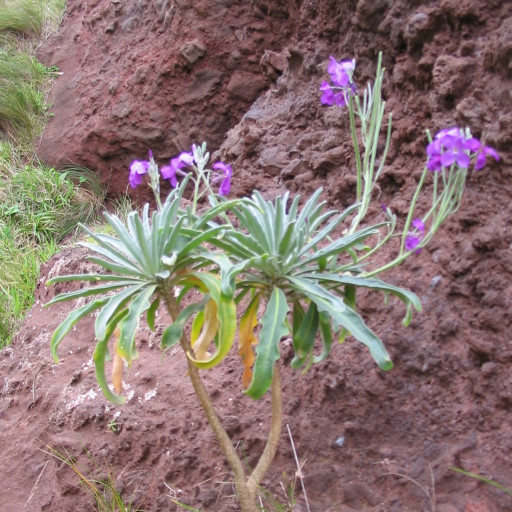
Affectionately known as "Stock" or "Gillyflower," Matthiola incana is the undisputed queen of the fragrant cottage garden. Its vintage charm and spicy, clove-like scent have made it a florist's favorite since Victorian times. Native to the rocky cliffs of the Mediterranean, this hardy biennial or short-lived perennial adds a sense of timeless elegance and vertical interest to any landscape.
🔍 How to Identify
- 🌸 Flower Clusters: Dense, terminal spikes of flowers that feature four petals in their wild form, though many garden varieties are "doubled" and look like mini-carnations.
- 🌫️ "Hoary" Foliage: The lance-shaped leaves and sturdy stems are covered in fine, silvery-white hairs, giving the plant a soft, felt-like texture and a muted grey-green color.
- 📏 Upright Growth: The plant typically grows in stiff, vertical columns, reaching heights of 1 to 2 feet, which helps it stand out in crowded flower beds.
🏡 In Your Garden
- ❄️ Cool-Season Specialist: Unlike many summer bloomers, Stock thrives in the crisp air of early spring and late autumn. It often stops blooming or "bolts" (goes to seed) when temperatures consistently rise above 75°F (24°C).
- 🌱 Disturb-Free Zone: Because this plant develops a sensitive taproot, it genuinely hates being transplanted. It is best to sow seeds directly into the garden or move nursery starts very carefully to avoid stunted growth.
⚠️ Safety & Toxicity
- ✅ Safe Status: Matthiola incana is considered non-toxic to humans, dogs, and cats, making it a worry-free choice for family gardens.
- 🍽️ Culinary Note: The flowers are technically edible and possess a mild, peppery flavor. However, always ensure they haven't been treated with chemical pesticides before using them as a garnish.
✨ Fun Fact
In the Victorian "Language of Flowers," Stock was used to symbolize a "happy life" and "lasting beauty." Because the fragrance intensifies significantly at sunset, it was also nicknamed the "Evening Scented Stock" in old garden journals.

Detailed Care Instructions
| Color | Various (Pink, Apricot, Purple, Blue, White) |
| Soil Ph | Neutral, 6.8 To 7.5 |
| Humidity | Normal |
| Lighting | Full Sun |
| Toxicity | Edible, Non-Toxic |
| Soil Type | Rich And Well Drained |
| Bloom Time | Spring Through Summer |
| Difficulty | Medium |
| Plant Type | Biennial Or Half-Hardy Annual |
| Mature Size | 12 To 36 In. Tall |
| Native Area | Europe, Particularly Mediterranean |
| Temperature | 5°C - 25°C |
| Sun Exposure | Full Sun To Part Shade |
| Hardiness Zones | 7-10 |
To grow Matthiola Incana, commonly known as Stock plant, you can follow these steps:
- Choose the right time for sowing: Matthiola Incana is typically grown from seeds, and it is best to sow the seeds indoors 6-8 weeks before the last frost date in your area. In warm climates, you can sow the seeds directly outdoors.
- Prepare the soil: Stock plants prefer well-draining soil with a neutral to slightly alkaline pH. Prepare the soil by loosening it with a garden fork or tiller, removing any weeds or rocks, and adding organic matter such as compost or well-rotted manure to improve fertility.
- Sow the seeds: Sow the seeds on the surface of the soil and lightly press them in. Keep in mind that Matthiola Incana seeds require light for germination, so do not bury them too deep. Space the seeds about 8-12 inches apart to allow for sufficient growth.
- Provide the right conditions: Place the seeds tray or pots in a warm, sunny location where they can receive at least 6-8 hours of direct sunlight each day. Keep the soil consistently moist but not waterlogged. You can cover the tray or pots with a plastic wrap to create a mini greenhouse effect, which helps retain moisture and warmth for faster germination.
- Transplanting: Once the seedlings have grown their first true leaves and are large enough to handle, you can transplant them into individual containers or into the garden. Be gentle while transplanting to avoid damaging the delicate roots.
- Garden placement: Prepare the garden bed by removing any weeds and loosening the soil. Choose a location with full sun or partial shade, ensuring the plants will receive at least 4-6 hours of direct sunlight per day. Spacing between plants should be around 10-12 inches.
- Watering and maintenance: Water the plants regularly, keeping the soil moist but not overly wet. Be mindful not to let the soil dry out completely. Apply a layer of mulch around the base of the plants to help retain moisture and suppress weeds. Remove any faded flowers to encourage continuous blooming.
- Fertilization: Stock plants often benefit from a balanced, slow-release fertilizer applied according to package instructions. Alternatively, you can use a liquid fertilizer every few weeks during the growing season.
- Pest and disease control: Monitor the plants regularly for common pests such as aphids, caterpillars, or snails. Use organic pest control methods or introduce beneficial insects to control any infestations. Additionally, ensure good air circulation around the plants to minimize the risk of diseases such as powdery mildew.
- Enjoy the blooms: With proper care, your Matthiola Incana plants should start blooming within 8-12 weeks after sowing. Enjoy their beautiful, fragrant flowers and consider cutting some for bouquets or arrangements indoors.
Remember to adjust these steps according to your specific growing conditions and the recommendations on the seed packet or from a local nursery.

Place in a bright room that is sun drenched almost all day. Or directly in a south-facing window.

To water this plant, first make sure that the soil is completely dry before watering. It prefers to be watered once a week, but less frequently during colder months. When watering, be careful not to let the water pool around the base of the plant, as this can lead to root rot. Instead, water around the plant and allow the water to soak into the soil. Avoid getting water on the leaves of the plant, as this can encourage the growth of mold and mildew. The plant will benefit from occasional misting to increase humidity around it.
For optimal growth and health, fertilize this plant with a balanced fertilizer in early spring and mid-summer. Use a slow-release fertilizer with equal parts nitrogen, phosphorous, and potassium. Apply the fertilizer evenly around the base of the plant, taking care not to get any on the foliage. Water the plant thoroughly after fertilizing to help distribute the nutrients. Avoid fertilizing during the winter months when the plant is dormant.
Matthiola Incana plants prefer a well-draining soil that is rich in nutrients. The ideal soil should have a pH range between 6.0 and 7.5, which is slightly acidic to neutral. A mixture of loam, sand, and organic matter can be used to provide the right texture and nutrient balance. The soil should be moist but not waterlogged, and it should be able to retain moisture without becoming compacted. Adequate drainage is important to prevent root rot and other diseases. Testing the soil before planting can help determine if any necessary amendments need to be made.
To propagate this plant, you will need to harvest the seeds from the mature plant and plant them in a suitable soil mixture. It is important to choose a well-draining soil with a slightly alkaline pH. Sow the seeds thinly and cover them with a thin layer of soil. Water the soil well and keep it moist until the seeds germinate. Once the seedlings have grown, they can be transplanted to their final location. Alternatively, you can take cuttings from the mature plant and root them in a rooting hormone and soil mixture. Ensure that the cuttings are about 10 cm long and have at least 2-3 leaves. Remove the bottom leaves and dip the cut end in rooting hormone powder. Place the cuttings in the soil mixture and keep it moist until they develop roots. Once the roots have developed, you can plant them in their final location.
Common pests of the tenweeks stock include Aphids, snails. Make a habit of checking your tenweeks stock frequently for pests so that any infestations can be caught and managed early.








