Plant Overview
Often known as the "Notylia-lipped Maxillaria," this charming orchid is a hidden gem of the Andean cloud forests. Unlike the showy, oversized orchids found in supermarkets, this species tells a story of survival in the misty, high-altitude canopy of South America. Its name is a nod to its unique floral structure, specifically a "lip" that mimics the appearance of another orchid genus, Notylia.
🔍 How to Identify
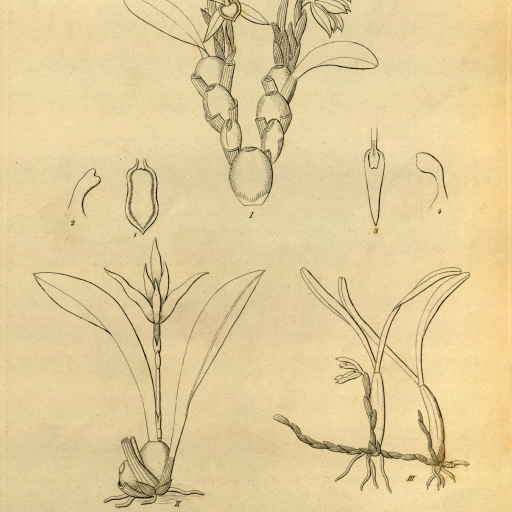
- 🌿 Climbing Growth: This orchid features a "creeping" habit. Instead of a tight cluster, its egg-shaped bulbs (pseudobulbs) grow along a wandering stem, or rhizome, making it look more like a vine than a traditional potted plant.
- 🍃 Slender Foliage: Each pseudobulb produces a single, narrow, leathery leaf. These leaves are tough and designed to withstand the varying light levels of the forest canopy.
- 🌸 Earthy Blooms: The flowers are small, star-shaped, and usually appear in clusters near the base of the bulbs. They typically display translucent shades of yellowish-green, olive, or bronze, often with a contrasting dark center.
🏡 In Your Garden
- ☁️ Cloud Forest Vibes: Because this plant originates from misty mountains, it craves high humidity and consistent air movement. It is not a fan of "stagnant" air, which can lead to crown rot.
- 🌳 Mounting is Best: Due to its rambling, creeping nature, this orchid often "walks" right out of a standard pot. It is happiest when mounted on a slab of cork bark or tree fern fiber, allowing its roots to cling to a surface just as they would on a mossy tree branch.
⚠️ Safety & Toxicity
- 🛡️ Non-Toxic: Maxillaria notylioglossa is generally considered safe and non-toxic for both humans and household pets like cats and dogs.
- 🚫 Not for Consumption: While not poisonous, orchids are decorative plants and can cause mild stomach upset if ingested. Furthermore, many orchids are treated with systemic pesticides at nurseries, so keep them away from curious nibblers.
✨ Fun Fact
The genus name Maxillaria is derived from the Latin word maxilla, meaning "jawbone." This refers to the way the column and the lip of the flower resemble the jaws of an insect or a small animal!

Detailed Care Instructions








