Plant Overview
Known for its graceful, arching branches and a literal explosion of tiny blooms, Maytenus floribunda is the elegant South American cousin of the common garden shrub. Often called the "Flowering Maitén," it is prized for its year-round glossy green cloak and its ability to withstand harsh winds while looking effortlessly refined. It is a favorite for gardeners seeking a "set it and forget it" privacy screen that still offers delicate, seasonal beauty.
🔍 How to Identify
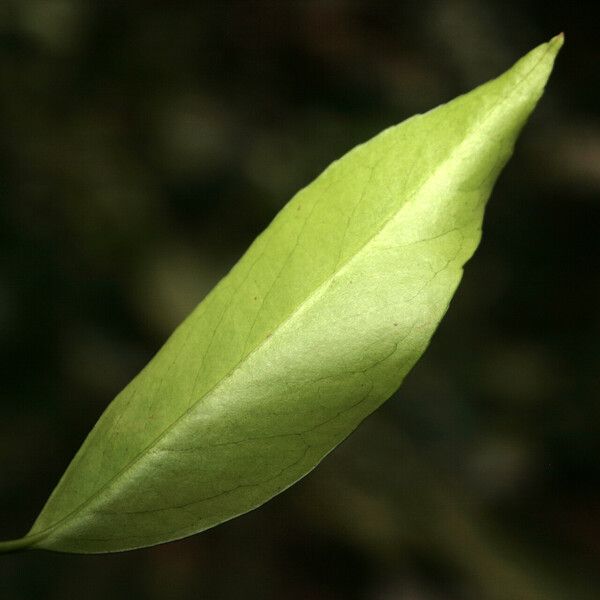
- 🍃 The Foliage: Look for small, leathery, lance-shaped leaves with finely serrated edges. They have a distinct waxy sheen that helps the plant retain moisture.
- 🌸 The "Floribunda" Effect: While the individual cream-to-green flowers are minuscule, they emerge in massive, fragrant clusters along the leaf axils, creating a "frosted" look on the branches.
- 🍒 Seed Pods: Following the bloom, the plant produces small, woody capsules. When they ripen, they split open to reveal striking, bright orange or red fleshy seeds that attract local birds.
🏡 In Your Garden
- ✂️ Shape Shifter: This plant is highly versatile; it responds exceptionally well to pruning. You can train it into a formal hedge, a small specimen tree, or let it grow naturally into a wild, weeping screen.
- 🌬️ Coastal Warrior: It is surprisingly salt-tolerant and wind-resistant. If you live near the ocean or in a drafty corridor, this plant acts as an excellent buffer without losing its leaves.
- 🌱 Root Awareness: Unlike some invasive shrubs, the Maitén has a polite root system. It won’t typically lift your pavement, making it a safe choice for planting near walkways or patios.
⚠️ Safety & Toxicity
- 🐾 Pet Safety: Maytenus floribunda is generally considered to have low toxicity. However, the seeds and leaves contain mild alkaloids that can cause nausea or lethargy if ingested in large quantities by curious dogs or cats.
- 👶 Kid-Friendly: It is safe for residential backyards, though the small orange seeds can be a choking hazard for toddlers who like to explore with their mouths.
✨ Fun Fact
The genus name Maytenus is a Latinization of "Maitén," the original word used by the indigenous Mapuche people of Chile to describe these resilient evergreen trees, which they have used for centuries in traditional folk medicine.

Detailed Care Instructions








