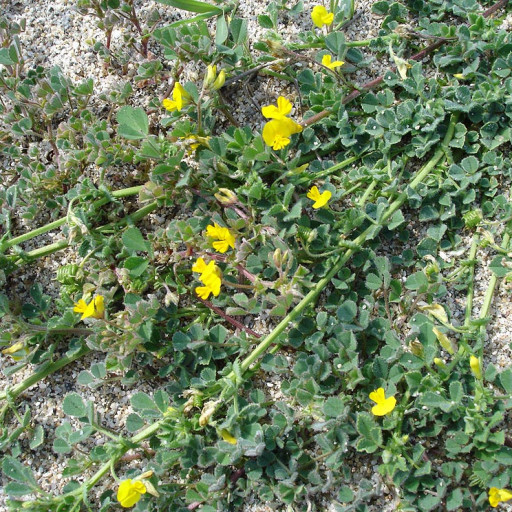
Plant Overview
Often called the "Queen of Forages," the Medicago genus—which includes the famous Alfalfa and the persistent Black Medic—has been a cornerstone of agriculture for millennia. These plants are the ultimate soil healers, known for their incredible ability to pull nitrogen from the air and store it in the earth. Whether you see them as a lush farm crop or a resilient visitor in your lawn, they are powerhouses of nutrition and soil vitality.
🔍 How to Identify
- ☘️ Trifoliate Leaves: Like their clover cousins, these leaves grow in sets of three. Look closely at the center leaflet; it usually has a tiny "tooth" or point at the very tip, which distinguishes it from true clovers.
- 🌸 Pea-Like Blooms: The flowers are small but intricate, growing in dense clusters. Depending on the species, you’ll see colors ranging from a royal violet and deep blue to a cheerful, sunny yellow.
- 🌀 Spiral Seed Pods: One of the most reliable ways to identify this genus is the fruit. Many species produce tiny, coiled pods that look like miniature snail shells or tightly wound springs.
🏡 In Your Garden
- 🌱 The Nitrogen Engine: Medicago plants have a "superpower" partnership with soil bacteria. They capture nitrogen gas and turn it into natural fertilizer, making them the perfect "green manure" to tilled back into the soil to feed future veggies.
- 💧 Deep-Rooted Resilience: These plants are famous for their massive taproots. This makes them exceptionally drought-tolerant, as they can reach water deep underground that other plants can't find. However, this also means they hate being transplanted—once they settle in, they prefer to stay put.
⚠️ Safety & Toxicity
- ✅ Generally Safe: Most Medicago species are non-toxic to humans and common household pets like cats and dogs. In fact, Alfalfa is a popular supplement and salad sprout.
- 🐄 Livestock Caution: While it is premium feed, ruminants (like cows and sheep) can suffer from "bloat" if they gorge on too much fresh, lush Alfalfa at once. It’s a "too much of a good thing" scenario.
- 💊 Special Note: People with certain autoimmune conditions, such as lupus, are often advised to avoid Alfalfa sprouts, as they contain an amino acid called L-canavanine that can trigger inflammation.
✨ Fun Fact
Alfalfa is a true deep-sea diver of the plant world. While most garden plants keep their roots in the top foot of soil, Alfalfa roots have been known to tunnel down over 50 feet (15 meters) into the earth to find moisture and minerals!

Detailed Care Instructions

Place in a bright room that is sun drenched almost all day. Or directly in a south-facing window.

1. Determine the watering needs of the plant based on its growth stage and environmental conditions. Medicago plants require well-drained soil and moderate watering.
2. Water the plant deeply and infrequently, allowing the soil to dry out slightly between waterings. This will promote strong root growth and prevent over-watering that can lead to root rot and other issues.
3. Check the soil moisture regularly by inserting a finger into the soil at a depth of 1-2 inches. If the soil is dry at this depth, it's time to water.
4. Water the plant at the base, avoiding the foliage to prevent fungal growth and to allow the water to reach the roots directly.
5. Use a watering can or a hose with a low-pressure nozzle to avoid damaging the plant or creating puddles around the base.
6. If the plant is in a container, ensure that there is proper drainage to prevent waterlogging and add a layer of mulch on top of the soil to retain moisture.
7. Adjust the watering frequency and amount according to the plant's response. If it shows signs of wilting or yellowing, it may need more frequent watering. If the soil is consistently wet, reduce the watering frequency.
The ideal soil for Medicago plants is a well-draining but moisture-retentive soil that is not too heavy. It should be nutrient-rich, with a pH level between 6.0 and 7.0. The soil should also be free of any contaminants or diseases, as well as any weed seeds that could compete with the Medicago plants for nutrients. It is recommended to add organic matter such as compost or well-rotted manure to the soil before planting to improve soil quality.







