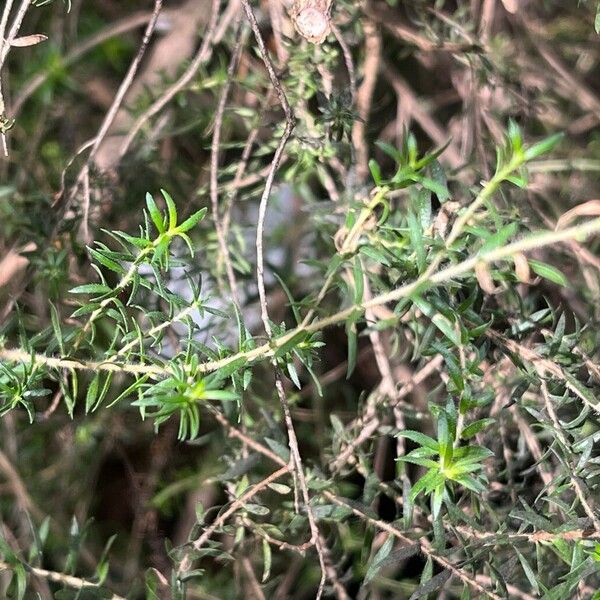
Plant Overview
Known affectionately as the Scented Paperbark, this Australian native is a sensory delight often found gracing the wetlands and coastal heaths of the southern coast. It is famous for its peeling, parchment-like bark and clouds of creamy-yellow blossoms that smell like warm honey. Historically, Indigenous Australians utilized its durable, waterproof bark for everything from blankets to temporary shelters.
🔍 How to Identify
- 📜 The Paper Bark: The trunk is wrapped in distinct, spongey layers of white or tan bark that can be peeled away in thin, parchment-like sheets.
- 🌿 Crowded Leaves: The small, stiff, egg-shaped leaves are arranged in four neat rows along the stems, giving the foliage a dense and "orderly" appearance.
- 🍯 Honey-Scented Brushes: During late spring, the plant erupts in cylindrical, pale yellow flower spikes that look like miniature soft brushes and emit a heavy, sweet fragrance.
🏡 In Your Garden
- 💧 The Swamp Specialist: Unlike many garden plants that fear "wet feet," this species thrives in poorly drained soil and can even handle temporary flooding, making it perfect for those tricky boggy corners of your yard.
- 🐝 A Pollinator Party: The nectar-rich flowers are a magnet for native bees, butterflies, and honey-eating birds, turning your garden into a buzzing sanctuary during the blooming season.
- 🛡️ Wind & Salt Hardy: Because it naturally grows near the coast, it is incredibly resilient against salty sea breezes and makes for an excellent, dense privacy screen or windbreak.
⚠️ Safety & Toxicity
- ✅ Generally Safe: Melaleuca squarrosa is not considered toxic to humans or common household pets like dogs and cats.
- 🧴 Essential Oils: Like its cousin, the Tea Tree, the leaves contain aromatic oils. While safe to touch, these oils may cause mild stomach upset in pets if a large quantity of foliage is ingested, or minor skin irritation for people with extreme sensitivities.
✨ Fun Fact
Early European settlers in Australia often used the soft, papery bark of Melaleuca species as a stuffing for mattresses and even as insulation in their boots to keep their feet dry in the bush!

Detailed Care Instructions

Place in a bright room that is sun drenched almost all day. Or directly in a south-facing window.

Some plants require more regular watering than others, which should be done every few days. It's critical to maintain the soil moist all of the time. The water requirements of the same plant placed in pots with varying sizes will differ. Because the water in the smaller pot evaporates faster than the water in the larger pot, it will require more watering. Regardless of pot size, the surface should constantly be maintained moist.







