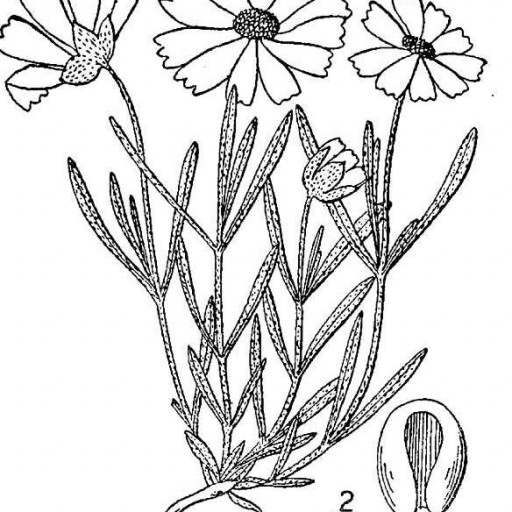
Plant Overview
Often called the Blackfoot Daisy, this pint-sized powerhouse is a darling of the American Southwest. Despite its delicate, "fried-egg" appearance, it is remarkably resilient, thriving in harsh, rocky soils where other flowers would wither. Gardeners love it for its ability to produce a carpet of white blooms that emit a surprising, sweet honey-like fragrance on warm afternoons.
🔍 How to Identify
- 🌼 The Blooms: Small, daisy-like flowers with snowy white petals (ray florets) surrounding a bright, golden-yellow center.
- ✂️ Petal Tips: Look closely at the tips of the white petals; they are unique because each one has a tiny, distinct notch or "tooth" at the end.
- 🌿 The Foliage: Narrow, grayish-green leaves that feel slightly rough or "sandpapery" to the touch, growing in a low, mounding cushion.
🏡 In Your Garden
- 🪨 The Drainage Rule: This plant is a true "rock star" for xeriscaping. It absolutely requires sharp drainage. If planted in heavy clay or soil that stays soggy, its roots will rot; it prefers limestone-rich or gravelly beds.
- ☀️ Sun Seeker: It thrives in the hottest, brightest spots of your yard. Once its deep taproot is established, it becomes incredibly drought-tolerant and actually blooms better when it's not over-watered or over-fertilized.
⚠️ Safety & Toxicity
- 🐾 Pet Friendly: Good news for pet owners—Melampodium leucanthum is considered non-toxic to dogs, cats, and horses.
- 👶 Child Safe: It is safe for family gardens. While not edible, it doesn't possess thorns or skin-irritating saps, making it a "worry-free" addition to walkways.
✨ Fun Fact
The name "Blackfoot" doesn't refer to the flower itself, but to the bracts (small leaf-like structures) at the base of the flower head. After the petals fall away, these structures turn a dark, charcoal color and look like a tiny, scaly foot!

Detailed Care Instructions
To grow Melampodium leucanthum (also known as Blackfoot Daisy or Rock Daisy), follow these steps:
- Climate and Location: Melampodium leucanthum thrives in warm regions and prefers full sun. It is native to the southwestern United States and northern Mexico, so it is adapted to arid conditions. Choose a well-draining location in your garden that receives at least 6-8 hours of direct sunlight each day.
- Soil: This plant prefers well-draining soil. If your soil is heavy and retains too much moisture, amend it with organic matter such as compost or well-rotted manure to improve drainage.
- Planting: You can grow Melampodium leucanthum from seeds or transplant young plants. It is best to start from seeds in spring or summer. Sow the seeds in well-prepared soil, 1/4 inch deep, and lightly cover them with soil. Water gently after planting.
- Watering: Blackfoot Daisies are tolerant of drought once established, so water sparingly. Allow the soil to dry out between waterings. Overwatering can lead to root rot and other problems.
- Mulching: Applying a layer of mulch around the plants can help retain moisture, suppress weeds, and keep the soil cool during hot summer months. Use a light layer of mulch, such as wood chips or straw, around the base of the plant, being careful not to mound it against the stem.
- Pruning and Deadheading: Melampodium leucanthum benefits from occasional deadheading (removing spent flowers) to promote continuous blooming. This will also prevent self-seeding if desired. Additionally, pruning the plants back in early spring can help maintain compact growth and encourage bushiness.
- Fertilizing: Melampodium leucanthum does not generally require heavy fertilization. It can thrive with minimal nutrients. However, you can apply a balanced, slow-release fertilizer in early spring if desired.
- Pests and Diseases: Blackfoot Daisies are generally resistant to pests and diseases. However, keep an eye out for common garden pests like aphids or whiteflies and take appropriate measures if necessary, such as using organic insecticidal soap.
Blackfoot Daisies are known for their drought tolerance and low-maintenance nature, making them an excellent addition to xeriscapes and rock gardens. Enjoy their cheerful white daisy-like flowers and the wildlife they attract, such as bees and butterflies.

Place in a window with dappled sun or a spot in the middle of a room. Or directly in a window facing west or east.

To ensure optimal growth and health, the plant should be watered regularly and consistently. The frequency of watering should be determined by the environmental conditions in which the plant is growing, such as temperature and humidity levels. It is important not to overwater the plant, as this can lead to root rot and other issues. The soil should be allowed to dry out slightly between watering sessions, but not become completely dry. When watering, pour water slowly and evenly over the soil, avoiding wetting the leaves and other plant parts. It is also important to use high-quality, well-draining soil to ensure that excess water can drain away from the plant's roots.
To fertilize this particular plant, use an all-purpose fertilizer with equal amounts of nitrogen, phosphorus, and potassium. Apply the fertilizer to the soil around the plant's base, following the package's instructions for the correct amount and frequency. Be sure to water the plant regularly but do not overwater, as this could lead to root rot.
Melampodium Leucanthum plant thrives in well-draining soil with a neutral pH level. The ideal soil should be a mixture of loamy or sandy soil with organic matter. It should have good drainage so that the plant doesn't sit in standing water, which can lead to root rot. The soil should also be moderately fertile and not heavy with clay, as this can lead to poor drainage. Adding compost or other organic matter to the soil will help enrich it and improve its overall quality, which will ultimately benefit the health and growth of the Melampodium Leucanthum plant.
To propagate this plant, you can take stem cuttings in the spring or early summer from healthy parent plants. Use a sterile, sharp blade to make a clean cut at a 45-degree angle just below a leaf node. Remove any leaves from the lower half of the stem and dip the cut end in rooting hormone powder. Plant the cutting in a well-draining potting mix and water thoroughly. Place in a warm, bright spot with indirect sunlight and keep the soil consistently moist but not waterlogged. Watch for new growth and roots in 4-6 weeks. Once the cutting is established, it can be transplanted into a larger container or outdoors into a garden bed.








