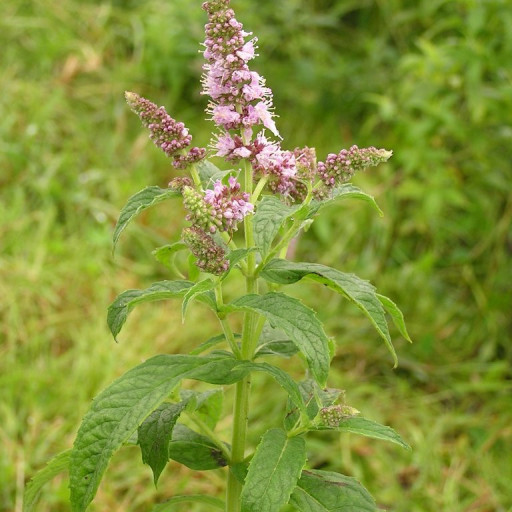
Plant Overview
Often called Horse Mint or Wild Mint, Mentha longifolia is the rugged, wild cousin of the classic garden peppermint. Originating across Europe, western Asia, and Africa, this plant is steeped in history, once used by ancient civilizations for everything from brewing tea to scenting floors. Unlike its more delicate relatives, Horse Mint boasts a striking, silvery-grey appearance and can grow surprisingly tall, adding a touch of untamed beauty to damp corners of the landscape.
🔍 How to Identify
- 🌿 The Foliage: The leaves are long, narrow, and lance-shaped (hence "longifolia"). They are sharply serrated and often covered in tiny, downy hairs that give the plant a distinct silvery-green or greyish sheen.
- 🌸 The Bloom: It produces dense, tapering spikes of tiny flowers that range from pale lilac to deep mauve. These spikes appear at the top of the stems and are much longer and more pointed than those of most other mints.
- 👃 The Scent: When crushed, the leaves release a powerful, sharp, and peppery mint aroma, often more pungent and "musky" than the sweet scent of spearmint.
🏡 In Your Garden
- 🏃 The Great Escape: Like most members of the mint family, Horse Mint is a vigorous spreader. It uses underground runners (rhizomes) to claim new territory. If you don't want it taking over your entire garden, it is best grown in a large pot or a sunken container to keep its "wild" side in check.
- 💧 Water Lovers: This plant thrives in "wet feet" conditions. In the wild, you’ll find it near riverbanks and marshes. In your garden, it’s the perfect candidate for that soggy patch where other plants struggle, or as a lush border for a backyard pond.
- 🐝 Pollinator Magnet: While it might be a bully to other plants, it is a hero to local wildlife. The nectar-rich flower spikes are a favorite for honeybees, butterflies, and hoverflies throughout the mid-to-late summer.
⚠️ Safety & Toxicity
- ✅ Status: Generally non-toxic and edible for humans.
- 🐶 Pets & Livestock: While "Horse Mint" implies it's for horses, most mints contain high concentrations of essential oils (menthol) that can cause gastrointestinal upset in dogs and cats if consumed in large quantities.
- 🍵 Usage Note: While edible, the flavor is very intense and sometimes slightly bitter. It is best used sparingly in teas or as a dried herb rather than a fresh garnish.
✨ Fun Fact
In the Middle Ages, Mentha longifolia was a staple in "strewing herbs." Before modern cleaning supplies, people would scatter the fresh stems across the floors of homes and churches so that when walked upon, the bruised leaves would release a fresh scent to mask less pleasant odors!

Detailed Care Instructions
| Humidity | High |
| Lighting | Part Sun |
| Difficulty | Medium |
| Hibernation | Cold Period |
| Hardiness Zones | 5 - 9 |
To grow Mentha Longifolia (also known as wild mint or horse mint), follow these steps:
- Choose the right location: Mentha Longifolia prefers full sun but can tolerate partial shade. Ensure that the soil is moist and well-draining.
- Prepare the soil: Loosen the soil and remove any weeds or rocks that may obstruct the growth of the plant. You can add organic matter like compost or well-rotted manure to improve soil fertility.
- Planting methods:
- Transplanting: Purchase Mentha Longifolia seedlings or young plants from a reputable nursery or start them from seeds indoors. Transplant the seedlings in the prepared soil, leaving enough space (around 12-18 inches) between each plant.
- Direct seeding: Sow the seeds directly in the prepared soil, making sure to cover them lightly with soil (about 1/4 inch deep).
- Transplanting: Purchase Mentha Longifolia seedlings or young plants from a reputable nursery or start them from seeds indoors. Transplant the seedlings in the prepared soil, leaving enough space (around 12-18 inches) between each plant.
- Watering: Mentha Longifolia requires regular watering to keep the soil evenly moist, but not waterlogged. Water the plants deeply whenever the top inch of soil becomes dry. Avoid overwatering, as it can lead to root rot.
- Mulching: Apply a layer of organic mulch (like straw or wood chips) around the plants to retain moisture, suppress weeds, and regulate soil temperature.
- Fertilization: Mentha Longifolia doesn't require heavy fertilization. However, you can apply a balanced, slow-release fertilizer once or twice during the growing season to provide essential nutrients.
- Pruning: Regularly trim the plant to prevent it from becoming invasive and to encourage bushier and healthier growth. Pinch off the tips of the stems to promote branching and remove any dead or diseased foliage.
- Pests and diseases: Check for common pests and diseases like aphids, spider mites, or fungal infections. Use organic insecticides or fungicides if necessary.
- Harvesting: Mentha Longifolia is typically harvested for its leaves and flowers, which are commonly used in teas, culinary dishes, or medicinal preparations. Harvest the leaves and flowers when they are fully grown, but before they start losing their aroma and flavor.
- Propagation: Mentha Longifolia can spread rapidly through its rhizomes, so dividing the plant every few years can help control its growth and invasiveness. Dig up a clump of the plant, separate the young shoots and roots, and replant them in new locations.
Remember to research specific care requirements for your region, as climate and soil conditions can affect plant growth.

Place in a bright room that is sun drenched almost all day. Or directly in a south-facing window.

When it comes to watering this plant, it is important to keep the soil consistently moist without overwatering. A good way to do this is to water deeply once a week, allowing the water to soak down to the root zone, and then reduce watering frequency during cooler weather or periods of rain. It is also important to avoid getting water on the leaves, as this can increase the likelihood of fungal diseases. Finally, it is essential to allow the soil to dry out slightly between waterings, as this helps to promote healthy root growth and prevent waterlogged conditions.
To promote healthy growth of this plant, use a well-balanced fertilizer with a 10-10-10 NPK ratio. Apply the fertilizer every 3-4 weeks during the growing season, following the package instructions for the correct amount. Avoid over-fertilizing as it may lead to excessive leaf growth and reduced essential oil production. Additionally, ensure that the soil is moist before applying fertilizer to prevent any root damage. As this plant prefers slightly acidic soil, consider using an acidic fertilizer or adding a small amount of coffee grounds to the soil as a natural way to lower the pH.
Mentha Longifolia is a perennial herb that requires well-draining soil that is rich in organic matter. The soil pH should be between 6.0 to 7.5 for optimal growth. This plant prefers moist soil, so it's important to ensure that drainage is adequate and the soil doesn't become waterlogged. Adding compost or well-rotted manure to the soil before planting can help to improve soil texture and fertility. It's important to avoid using heavy clay soils or sandy soils that dry out quickly, as these can lead to poor growth and development of Mentha Longifolia. Additionally, fertilizing the plant with a balanced fertilizer can help to ensure that it has access to the necessary nutrients to thrive.
To propagate this plant, you will need to obtain stem cuttings from a mature plant. Cut the stem with a clean and sharp pair of garden shears, making sure that the cutting is at least 4-6 inches in length. Remove any leaves from the bottom half of the stem.
Next, dip the bottom of the cutting into rooting hormone to encourage root growth. Place the cutting into a container filled with moist and well-draining soil. Make sure to bury the bottom half of the cutting in the soil and gently press the soil around it to secure it in place.
Cover the container with a clear plastic bag to create a mini greenhouse and place it in a bright and warm spot without direct sunlight. Mist the cutting regularly to keep the soil moist but not waterlogged.
After a few weeks, you should start seeing new growth and roots forming from the cutting. Once the roots have established, you can transplant the new plant into a larger pot or into your garden.
Common pests of the horse mint include Spider mites, fungus gnats, aphids, thrips, whiteflies. Make a habit of checking your horse mint frequently for pests so that any infestations can be caught and managed early.








