Plant Overview
Often called the "King of Mints," Peppermint is not a standalone species but a natural hybrid between Watermint and Spearmint. This cooling herb has been used for centuries, from ancient Egyptian tomb offerings to modern-day digestive teas. Its high menthol content provides a refreshing sensory experience that makes it a favorite for both kitchen gardens and aromatherapy.
🔍 How to Identify
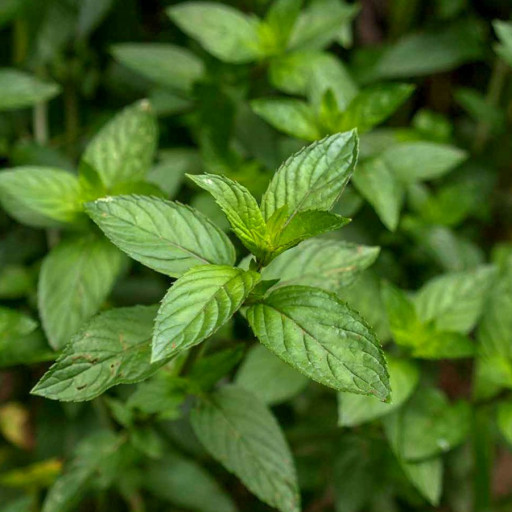
- 🌿 The Stems: Like most members of the Lamiaceae family, Peppermint has distinctively square stems that are often tinged with a deep reddish-purple or burgundy color.
- 🍃 The Leaves: Look for dark green, lance-shaped leaves with sharply toothed (serrated) edges and a smooth, almost hairless texture compared to the fuzzy leaves of other mints.
- 👃 The Scent: When crushed, the leaves release an unmistakable, sharp, and icy aroma that is significantly more potent and "cool" than the sweeter scent of Spearmint.
🏡 In Your Garden
- 🏃 The Great Escape: Peppermint is a vigorous "runner," spreading rapidly via underground rhizomes. To prevent it from staging a total garden takeover, it is best grown in large containers or pots sunk into the ground to "jail" the roots.
- 💧 Moisture Seeker: Reflecting its Watermint ancestry, this plant thrives in rich, moist soil. While it enjoys the sun, it is one of the few herbs that will happily grow in partial shade, making it perfect for those damp, slightly darker corners of the yard.
⚠️ Safety & Toxicity
- 🐾 Pet Sensitivity: While safe for human consumption, peppermint essential oils are toxic to cats and dogs. Ingesting the leaves in large quantities can lead to vomiting, diarrhea, or more serious liver issues in small pets.
- 🍵 Potent Oils: Pure peppermint oil is incredibly concentrated. While a cup of tea is soothing, direct contact with the undiluted oil can cause skin irritation in humans and should be kept away from the eyes and sensitive areas.
✨ Fun Fact
- ❄️ The Big Chill: Peppermint contains menthol, which doesn't actually lower the temperature of your mouth. Instead, it chemically "tricks" your brain by binding to the sensory receptors that detect cold, making your nerves believe they are being chilled.

Detailed Care Instructions
To grow Mentha × Piperita, also known as peppermint, you can follow these steps:
- Choose a suitable location: Peppermint prefers partial shade to full sun. It is best to plant it in well-draining soil with a pH of 6.0 to 7.5.
- Prepare the soil: Before planting, clear the area of any weeds or debris. Loosen the soil with a garden fork or tiller and amend it with organic matter, such as compost, to improve its fertility and drainage.
- Planting: Either sow seeds or start with peppermint plants bought from a nursery. If starting from seeds, sow them about 1/4 inch deep in moist soil and keep them evenly moist until germination. If using plants, dig a hole slightly larger than the root ball, place the plant in the hole, and gently pat the soil around it.
- Watering: Peppermint requires consistent moisture, so water the plants regularly, especially during drier periods. Water the soil rather than the leaves to prevent fungal diseases. Aim to keep the soil evenly moist but not waterlogged.
- Fertilizing: Peppermint is a vigorous grower and can benefit from regular feeding. Apply a balanced organic fertilizer or compost around the plants once every month during the growing season.
- Pruning: To encourage bushy growth and prevent the plants from becoming leggy, prune the tops of the plants regularly. Cut off the tips just above a leaf node, as this will encourage new growth.
- Controlling pests and diseases: Peppermint is generally resistant to most pests and diseases. However, it may occasionally face issues such as aphids, spider mites, or fungal infections. Monitor your plants regularly and take appropriate action, such as using organic insecticidal soap or neem oil, if necessary.
- Harvesting: Begin harvesting when the plants are about 8 inches tall. Cut the stems just above a leaf node to encourage new growth. Regular harvesting will keep the plants compact and productive.
By following these steps, you should be able to successfully grow Mentha × Piperita plants in your garden.

Place in a bright room that is sun drenched almost all day. Or directly in a south-facing window.
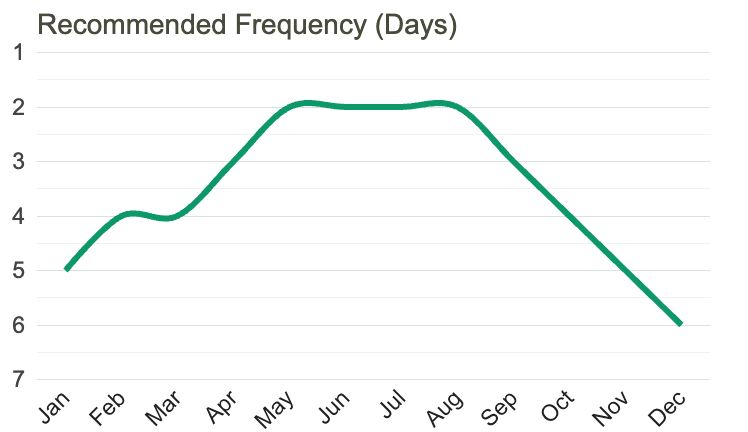
The plant should be watered regularly with a moderate amount of water. It is important to not over-water as this may cause the roots to rot. The soil should be evenly moist, but not waterlogged. To prevent water from sitting in the bottom of the container, ensure that there is proper drainage. The watering schedule may need to be adjusted depending on factors such as the temperature and humidity levels. It is important to monitor the plant and adjust the watering as needed to ensure optimal growth.
To keep your herb healthy and thriving, you should fertilize it regularly during the growing season. Choose a balanced fertilizer with equal parts nitrogen, phosphorus, and potassium. Apply the fertilizer once or twice a month during the active growing season, typically from late spring through fall. Follow the instructions on the product label for the correct dosage and method of application, as over-fertilization can damage the plant. Water well after fertilizing to ensure the nutrients are absorbed properly into the soil.
The ideal soil for Mentha × Piperita should be well-draining and fertile. It should have a pH level between 6.0 and 7.5. You can use a mix of garden soil, compost, and perlite or sand to ensure the soil is well-aerated and has good drainage. This plant grows best in a moist environment, so make sure the soil is kept consistently moist but not waterlogged. It is recommended to fertilize the plant every two weeks during the growing season with a balanced fertilizer. Avoid using heavy clay soils or soils with poor drainage.
To propagate this plant, the gardener can take stem cuttings from the parent plant and root them in a container filled with nutrient-rich potting soil. The cuttings should be taken from healthy and actively growing stems, and any leaves at the bottom of the cutting should be removed. The remaining leaves should be cut in half to reduce moisture loss through transpiration. The cuttings should be planted in the soil up to the first set of leaves, and then placed in a bright location with indirect sun and kept consistently moist. Rooting hormones can also be used to encourage root growth. After several weeks, the cuttings should have established roots and can be transplanted into individual pots or directly into the garden.
Common pests of the peppermint include Spider mites, fungus gnats, aphids, thrips, whiteflies. Make a habit of checking your peppermint frequently for pests so that any infestations can be caught and managed early.








