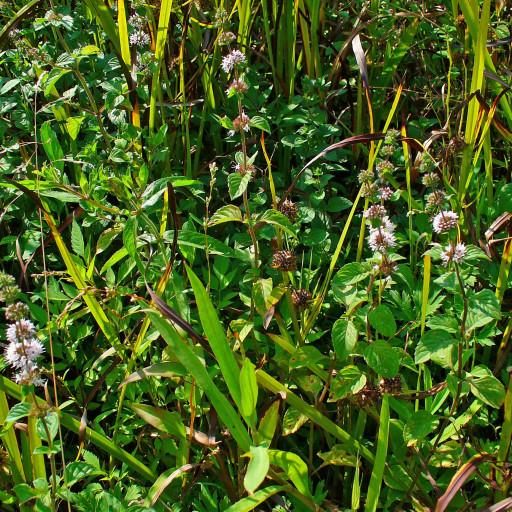
Plant Overview
Known historically as "Pudding Grass" or "Mosquito Plant," Mentha pulegium is the diminutive powerhouse of the mint family. While it looks like a delicate, low-growing groundcover, its pungent, cooling aroma has been used for centuries to ward off pests and flavor traditional recipes. However, this little herb carries a hidden intensity—a chemical punch that makes it one of the most famous "handle with care" plants in the botanical world.
🔍 How to Identify
- 🍃 Compact Foliage: The leaves are significantly smaller than common peppermint or spearmint, appearing as tiny, grey-green ovals that are often slightly fuzzy to the touch.
- 🌱 Creeping Habit: Unlike its tall, upright cousins, Pennyroyal prefers to hug the ground, spreading via runners (stolons) to create a dense, fragrant mat that releases a scent when stepped on.
- 🌸 Tiered Blooms: In mid-to-late summer, it produces distinct, spherical clusters of lilac or pale purple flowers that appear in "whorls" stacked neatly along the upper stems.
🏡 In Your Garden
- 💧 The Moisture Lover: Unlike many Mediterranean herbs that crave dry heat, Pennyroyal thrives in "wet feet" conditions. It is an excellent choice for damp corners of the yard, bog gardens, or the soggy edges of a garden pond.
- 🚧 Containment Strategy: As a member of the mint family, it is an enthusiastic spreader. To prevent it from taking over your lawn or choking out neighboring flowers, it is best grown in a submerged pot or a container to keep its wandering roots in check.
⚠️ Safety & Toxicity
- 🚫 High Toxicity Assessment: While once used in folk medicine, modern science identifies Pennyroyal as potentially lethal if ingested. It contains pulegone, a chemical that can cause severe liver damage, seizures, and organ failure.
- 🤰 Strict Warnings: It is a known abortifacient and should never be used or handled extensively by pregnant individuals. It is also highly toxic to cats and dogs; even small amounts of the plant or its essential oil can lead to "Pennyroyal poisoning" in pets.
✨ Fun Fact
The name pulegium is derived from the Latin word pulex, meaning "flea." For centuries, travelers would stuff their mattresses with dried Pennyroyal or carry bundles in their pockets to repel fleas and ticks—a practice so common it earned the plant the nickname "Fly-bane."

Detailed Care Instructions
Yes. This is one of the most pungent of the mint species, and the odor emitted by its leaves is especially useful for repelling mosquitoes and fleas.
How do I harvest and use pennyroyal leaves?
Although it's no longer recommended to consume pennyroyal, the plant is still used frequently in natural pest repellents. Make use of the pruned stems from your pennyroyal wherever unwanted insects are a problem. You can lay freshly cut stems around pest-prone areas, or dry the stems and leaves to use in pest-repelling potpourri mixtures.
How can I use pennyroyal in the landscape?
Pennyroyal is a traditional cottage garden plant, but it is not a particularly attractive specimen. It is mostly grown as an insect repelling plant. Should you decide to grow it, pennyroyal's spreading habit is good for filling in bare spots in the garden or large containers, and its profuse flowers will attract butterflies and other pollinators.
How long does pennyroyal live?
Its habit of steady spread means that a colony of pennyroyal plants will continue indefinitely. However, you may find that the plants travel through the garden (and into surrounding areas) as overgrown stems die back at the same time that spreading rhizomes extend into new locations.
Are there other mint species that are more attractive?
Yes. While most mints are grown for their scent, some are used more for their ornamental value. For example, buddleia mint, Mentha longifolia (also known as horse mint) has long, purple, nectar-rich flowers and beautiful silvery foliage. It is suitable for USDA zones 5 to 10. However, like most mints, this is also an aggressive grower.
| Color | Purple |
| Soil Ph | 6.0-6.5 |
| Humidity | Normal |
| Invasive | Weed |
| Lighting | Full Sun |
| Toxicity | Poisonous |
| Soil Type | Moist, Well-Drained |
| Bloom Time | Summer |
| Difficulty | Medium |
| Plant Type | Perennial |
| Hibernation | Cold Period |
| Mature Size | 6-12 Inches Tall |
| Native Area | Middle East, Europe, Africa |
| Temperature | 15°C - 21°C |
| Sun Exposure | Full Sun, Partial Sun |
| Hardiness Zones | 6-9 |
To grow Mentha pulegium, also known as pennyroyal, you can follow these steps:
- Choose a suitable location: Pennyroyal prefers full sun to partial shade. Ensure the soil is well-draining and slightly acidic. You can amend the soil with compost or organic matter to improve its fertility and drainage.
- Start from seeds: Pennyroyal seeds can be sown directly in the garden or started indoors. If starting indoors, sow seeds in small pots or trays filled with seed-starting mix. Keep the soil moist and provide bottom heat to encourage germination. Transplant the seedlings outdoors when they are about 4-6 inches tall.
- Planting outdoors: If planting directly in the garden, sow the seeds in spring after all danger of frost has passed. Scatter the seeds on the prepared soil and lightly cover them with a thin layer of soil. Keep the soil consistently moist until the seeds germinate.
- Spacing: Space the plants about 12-18 inches apart to allow them sufficient room to grow and spread.
- Watering: Pennyroyal requires regular watering, especially during dry periods. Keep the soil evenly moist, but avoid waterlogging which can lead to root rot.
- Mulching: Apply a layer of organic mulch around the plants to help retain moisture, suppress weeds, and provide insulation to the roots.
- Pruning: Trim back the plants regularly to promote bushier growth and prevent them from becoming leggy. This can be done by cutting off the top one-third of the stems.
- Fertilization: Pennyroyal doesn't require heavy fertilization. You can apply a balanced, slow-release fertilizer once in spring or use compost or organic fertilizers to provide necessary nutrients.
- Pest and disease control: Pennyroyal is generally resistant to pests and diseases. However, you should keep an eye out for common garden pests like aphids, spider mites, and snails. Use organic pest control methods or insecticidal soap if necessary.
- Harvesting: You can start harvesting pennyroyal once the plant reaches a sufficient size. Clip the stems just above a pair of leaves, leaving some growth behind for the plant to continue thriving. The leaves can be used fresh or dried for various culinary or medicinal purposes.
Remember, pennyroyal can be invasive, so keep an eye on its growth and consider containing it in pots or using barriers if you're concerned about it spreading too far.

Place in a bright room that is sun drenched almost all day. Or directly in a south-facing window.

To water this plant, the soil should be kept consistently moist but not waterlogged. It is recommended to water deeply, allowing the water to fully saturate the soil, but then allowing the top layer of soil to dry out slightly before watering again. It is best to water in the morning to prevent water from sitting on the foliage overnight, which could increase the risk of disease. When watering, it is important to avoid getting water on the leaves and stem as this could also increase the risk of disease.
For the plant of the genus Mentha with small purple flowers, it is recommended to fertilize in the early spring with a balanced fertilizer. You can also use a liquid seaweed fertilizer every two weeks during the growing season. Be careful not to over-fertilize as this can lead to excessive growth and reduced flavor quality. Make sure to water the plant thoroughly before and after fertilizing.
The ideal soil for this plant is a well-draining soil that is rich in nutrients. It should have a pH level between 6.0 and 7.0. The soil should also be kept consistently moist but not waterlogged as the plant prefers moist conditions. It is also beneficial to mix in organic matter such as compost or aged manure to add additional nutrients to the soil. This plant prefers full sun to partial shade, so it should be planted in a location that receives at least 6 hours of sunlight per day.
To propagate this particular plant, start by identifying healthy and mature stems that have not yet flowered. Cut a stem that is approximately 4-6 inches long at a node using a sharp knife or scissors. Remove the lower leaves from the stem and leave only two or three leaves near the top. Optionally, you can dip the bottom of the stem into rooting hormone to speed up the process.
Next, prepare a pot filled with well-draining soil and make a hole in the soil using a pencil or your finger. Insert the stem gently into the hole and press the soil around it to secure it in place. Water the soil thoroughly and cover the pot with a plastic bag or a clear plastic container to create a mini-greenhouse effect. Place the pot in a warm and bright spot, but avoid direct sunlight.
After two to three weeks, remove the plastic covering and check if the stem has rooted by gently tugging on it. If the stem resists being pulled out of the soil, it has formed roots, and it is time to remove the remaining leaves and transplant the plant into a larger pot with fresh soil. Water it well, and keep it in a sunny spot to encourage growth.
Common pests of the pennyroyal include Spider mites, fungus gnats, aphids, thrips, whiteflies. Make a habit of checking your pennyroyal frequently for pests so that any infestations can be caught and managed early.








