Plant Overview
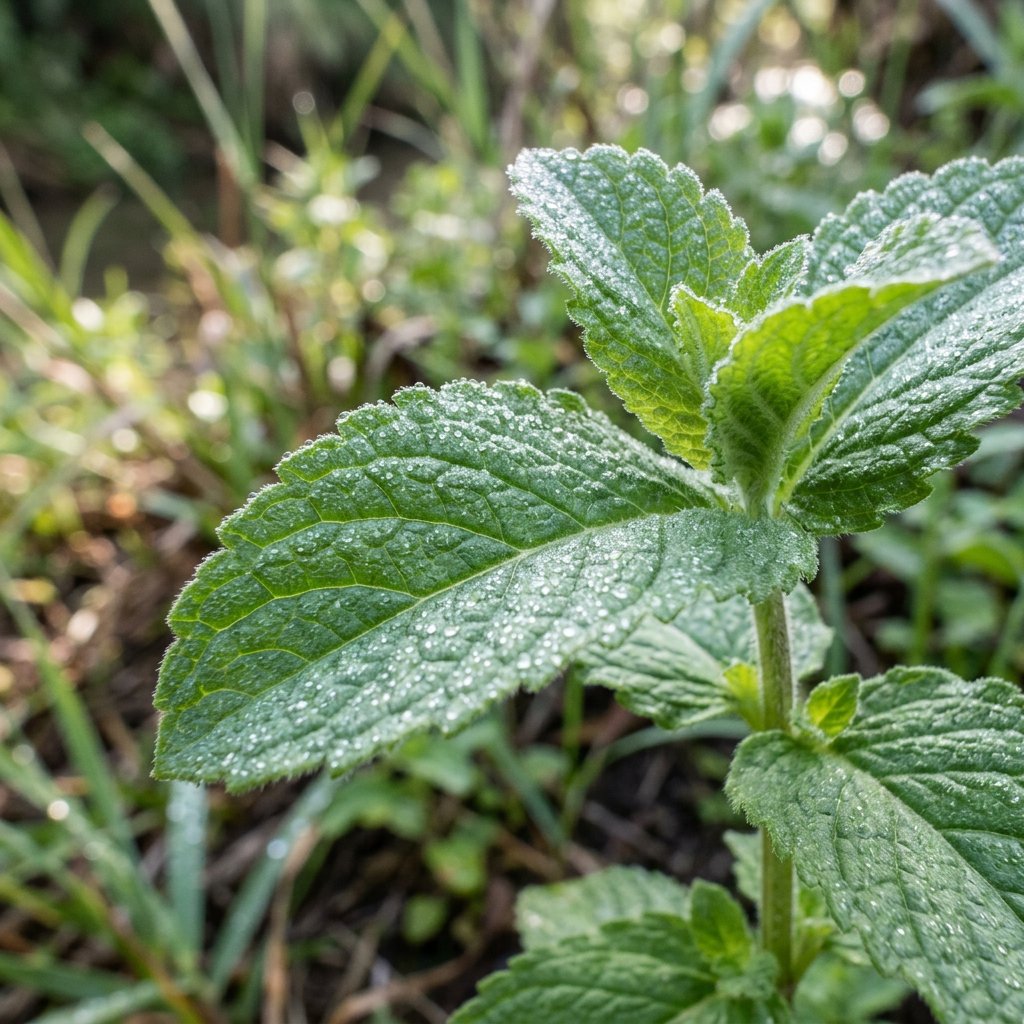
Known fondly as "Apple Mint" for its sweet, fruity fragrance, Mentha suaveolens is perhaps the most whimsical member of the mint family. Originally from the Mediterranean, this hardy perennial is famous for its exceptionally soft, velvety leaves that invite you to reach out and touch them. Unlike the sharp, medicinal punch of Peppermint, this plant offers a mellow, dessert-like aroma that has made it a favorite in monastery gardens and cottage borders for centuries.
🔍 How to Identify
- 🍃 The Leaves: Look for light green, circular-to-oval leaves that are noticeably "woolly" or fuzzy on both sides, giving them a silvery-green appearance.
- 📏 The Stem: Like all members of the Lamiaceae family, it features a distinct, sturdy square-shaped stem that can grow quite tall if not pinched back.
- 🌸 The Blooms: In mid-to-late summer, it produces dense, tapering spikes of tiny white or pale lilac flowers that look like miniature towers.
🏡 In Your Garden
- 🏺 Contain the Chaos: Apple Mint spreads via underground runners (rhizomes) and can be quite aggressive. To keep it from colonizing your entire yard, it is best grown in a large pot or a "sunken" container buried in the ground.
- 💧 Thirst for Life: This herb thrives in damp, rich soil and is one of the few mints that actually enjoys a bit of afternoon shade. If the soft leaves start to look limp, it’s a clear signal that it needs a deep watering.
⚠️ Safety & Toxicity
- 🍵 Human Safe: Entirely edible and highly prized for culinary use. It makes a fantastic tea, a unique addition to fruit salads, and a beautiful garnish for summer cocktails.
- 🐾 Pet Caution: While generally considered safe in small quantities, the essential oils in all mint plants can cause digestive upset (vomiting or diarrhea) in cats and dogs if consumed in large amounts.
✨ Fun Fact
In the Middle Ages, Apple Mint was known as the "herb of hospitality." Monks would scatter the fragrant, fuzzy leaves across the floors of guest rooms so that when travelers walked on them, the bruising of the leaves would release a fresh, apple-scented perfume to mask the smells of the road.

Detailed Care Instructions
| Color | Pink, White |
| Soil Ph | 6.0-7.0 |
| Humidity | Normal |
| Lighting | Full Sun |
| Toxicity | Poisonous |
| Soil Type | Sandy, Loamy, And Clay |
| Bloom Time | July-August |
| Difficulty | Medium |
| Plant Type | Herbaceous Perennial |
| Hibernation | Cold Period |
| Mature Size | Height 18-24”, Spread 12-24” |
| Native Area | Southern And Western Europe |
| Temperature | 5°C - 25°C |
| Sun Exposure | Full Sun To Part Shade |
| Hardiness Zones | 5 To 9 |
To grow Mentha suaveolens (Pineapple mint) plants, you can follow these steps:
- Choose a suitable location: Select a spot that receives partial sun to full sun, preferably in the morning. Ensure that the soil is well-drained.
- Prepare the soil: Loosen the soil by turning it with a garden fork or spade. Removing any rocks, weeds, or debris is important to give the plant a good start.
- Plant the seeds or seedlings: Mentha suaveolens can be grown from seeds or transplanted seedlings. If you choose to start from seeds, sow them shallowly (1/4 inch deep) in the prepared soil and cover them lightly. If using seedlings, make a hole slightly larger than the root ball, place the seedling in the hole, and backfill gently.
- Water regularly: Moisten the soil thoroughly after planting, and then keep the soil evenly moist throughout the growing season. Mint plants generally prefer a moist environment.
- Maintain proper spacing: Mentha suaveolens plants can spread rapidly, so maintain a spacing of around 18 inches between each plant to allow them to grow without overcrowding.
- Fertilize: Apply a balanced, slow-release fertilizer during the growing season to provide nutrients for healthy growth. Follow the instructions on the fertilizer packaging for dosage and timing.
- Control weeds: Regularly remove any weeds that may compete with the mint plant for nutrients and water. Hand-pulling or lightly cultivating the soil around the plants can help control weeds.
- Harvest leaves: Once the plant has grown sufficiently, you can start harvesting the leaves. Pinch off or snip the leaves as needed, leaving at least one-third of the plant intact to continue growing. Regularly harvesting mint leaves promotes bushier growth.
- Prune regularly: To prevent the plant from becoming leggy or overgrown, trim it back regularly. Pruning encourages new growth and helps maintain a compact shape for the plant.
- Protect from extreme conditions: Mentha suaveolens is generally hardy, but extreme cold or heat can stress the plant. Provide protection in harsh winter conditions by mulching around the base with straw or leaves. In hot climates, ensure the plant receives morning sun and afternoon shade to avoid scorching.
By following these steps, you should be able to successfully grow Mentha suaveolens plants and enjoy their delightful scent and flavor.

Place in a bright room that is sun drenched almost all day. Or directly in a south-facing window.

To water this plant, observe the soil moisture level regularly and water it when the topsoil becomes dry to the touch. Use a watering can or hose to avoid waterlogging the soil. Avoid overwatering as it can cause root rot. Ensure that the water reaches the roots and not just the surface. Water the plant during the early morning or late evening to prevent evaporation.
For optimal growth, apply a balanced fertilizer with a 10-10-10 ratio in early spring. Repeat the fertilizer application every 6-8 weeks during the growing season. Avoid over-fertilization as it may cause damage to the roots. Water the plant well after fertilizing to prevent burning the roots.
The soil for the plant should be well-draining with a pH level between 6.0 and 7.5. It should be nutrient-rich as the plant requires adequate nutrients for healthy growth. A mix of garden soil and compost with some sand or grit to improve drainage is ideal. The plant prefers moist soil, but it should not be waterlogged as it can lead to rot. Additionally, it is recommended to add some perlite or vermiculite to improve aeration. The soil should be tamped down firmly around the plant to prevent air pockets.
To propagate this plant, you will need to take stem cuttings from a mature plant. It's best to do this in the spring or summer when the plant is actively growing. Cut a stem that is about 4-6 inches long and remove the bottom leaves, leaving only a few sets of leaves at the top. Dip the cut end in rooting hormone and plant it in a well-draining soil mix.
Water the cutting regularly and keep it in a warm, bright location out of direct sunlight. In about 2-3 weeks, roots should start to form and the plant will begin to grow. Once the new plant is established, you can transplant it into a larger container or into your garden.
It's important to keep the soil moist but not overly wet during the rooting process to avoid rotting the stem. You can cover the cutting with a plastic bag or a clear plastic cup to create a humid environment that will help it root faster.
Common pests of the apple mint include Spider mites, fungus gnats, aphids, thrips, whiteflies. Make a habit of checking your apple mint frequently for pests so that any infestations can be caught and managed early.








