Plant Overview
Known as the "Applescent Mint," this charming hybrid is the softer, fruitier cousin of the punchy peppermint. Unlike the sharp medicinal scent of other mints, Mentha x suavis carries a delicate hint of green apple and summer meadows. It has been a staple in European cottage gardens for centuries, prized for its gentle fragrance and velvet-soft texture.
🔍 How to Identify
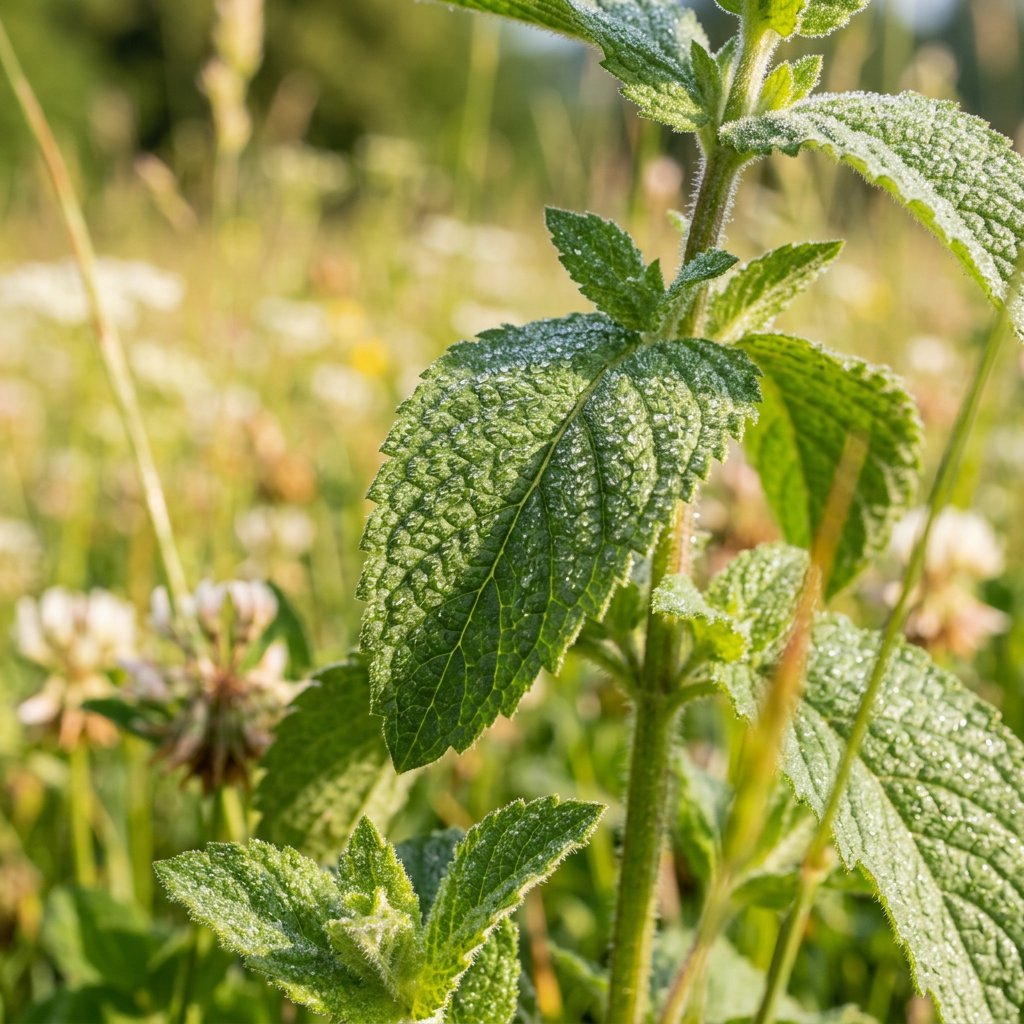
- 🍃 Fuzzy Foliage: The leaves are noticeably hairy (tomentose), giving them a soft, velvet-like texture that sets them apart from the smooth, waxy leaves of Spearmint.
- 🟢 Rounded Shape: Look for leaves that are more oval or circular with "crinkled" (rugose) edges rather than the long, serrated points found on common garden mint.
- 🧊 Square Stems: True to the Mint family, it features distinct four-sided stems that are sturdy, hairy, and usually a vibrant light green.
🏡 In Your Garden
- 🏺 The "Pot" Rule: This plant is an Olympic-level spreader. It uses underground runners (rhizomes) to conquer territory rapidly. To prevent it from "escaping" and taking over your entire flower bed, it is best kept in a dedicated pot or a buried liner.
- 💧 Moisture Nuance: While it can survive a bit of neglect, it produces the most fragrant oils when kept in consistently moist soil. If it gets too thirsty, the leaves will wilt and the edges may turn crisp and brown.
- ☀️ Light Balance: It loves the sun but appreciates a break. In scorching climates, afternoon shade prevents the delicate, fuzzy leaves from bleaching or "cooking" in the heat.
⚠️ Safety & Toxicity
- 🍽️ Safe for Humans: This is a culinary delight! It is perfectly safe to eat and is frequently used to flavor teas, fruit salads, and desserts where a milder, non-medicinal mint flavor is preferred.
- 🐾 Pet Sensitivity: Like most members of the Mentha genus, it contains essential oils that can cause gastrointestinal upset (vomiting or diarrhea) in dogs and cats if consumed in large quantities.
✨ Fun Fact
Mentha x suavis is a naturally occurring hybrid between Mentha aquatica (Water Mint) and Mentha suaveolens (Apple Mint). It effectively combines the water-loving resilience of one parent with the sweet, fruity aromatic profile of the other!

Detailed Care Instructions
| Humidity | Normal |
| Lighting | Full Sun |
| Difficulty | Easy |
| Hibernation | Cold Period |
| Hardiness Zones | 4A - 9B |
To grow Mentha X Suavis, also known as Apple Mint or Pineapple Mint, you can follow these steps:
- Choose the right location: Apple mint prefers partial shade to full sun, so select a location in your garden that receives at least 4-6 hours of direct sunlight each day.
- Prepare the soil: Apple mint grows well in fertile, well-draining soil. Amend the soil with organic matter, such as compost or well-rotted manure, to improve its fertility and drainage. Remove any weeds or rocks from the planting area.
- Start with seeds or cuttings: You can start apple mint from seeds or by taking cuttings. If using seeds, sow them in small pots filled with potting soil about 6-8 weeks before the last expected frost. Keep the soil moist and seedlings should emerge in 1-2 weeks. If using cuttings, take 3-4 inch cuttings from an established plant, remove the lower leaves, and place them in a glass of water until roots develop.
- Transplanting seedlings or rooted cuttings: If you started with seeds, transplant the seedlings when they have developed a few sets of true leaves. Space them about 12-18 inches apart. If using cuttings, transplant them once they have well-established roots, ensuring the same spacing.
- Watering and care: Keep the soil consistently moist, but not waterlogged. Mint plants prefer regular watering, especially during dry periods. Avoid overhead watering to prevent leaf diseases. Apply mulch around the plants to retain moisture and suppress weeds.
- Fertilizing: Feed your apple mint plants with a balanced, water-soluble fertilizer every 4-6 weeks during the growing season. Follow the manufacturer's instructions for application rates.
- Pruning and harvesting: Apple mint grows vigorously, so regular pruning is necessary to keep it in check. Pinch off the tips of the stems regularly to encourage bushier growth. Harvest the leaves as needed by cutting or pinching them off. The leaves are best used fresh but can also be dried or frozen for later use.
- Preventing overgrowth: Apple mint can spread rapidly through underground runners, so consider planting it in containers or using a barrier (such as a buried plastic wall) around the planting area to prevent its takeover of the garden.
By following these steps, you should be able to successfully grow a thriving Mentha X Suavis plant in your garden.

Place in a bright room that is sun drenched almost all day. Or directly in a south-facing window.
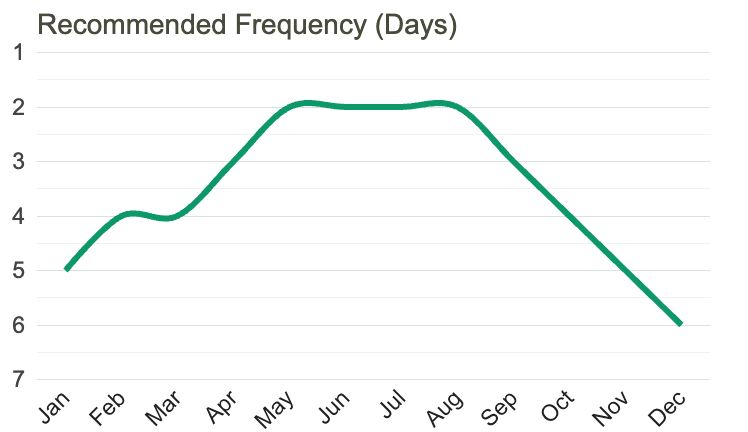
Mentha X Suavis belongs to the plant family Lamiaceae and requires a moist soil environment to thrive. The watering frequency and amount may vary depending on the growing environment and type of soil. It is recommended to water the plant once the top layer of soil feels dry to the touch but not completely dried out. Overwatering can lead to root rot and other fungal diseases, so be careful not to water the plant excessively. When watering, it is important to ensure the water reaches the root zone and is not just on the surface. Adequate drainage is also necessary to prevent waterlogging and promote healthy growth. If the plant is grown in a container, ensure that the pot has drainage holes to allow excess water to drain out. Additionally, using a water-soluble fertilizer once or twice a month during the growing season can help provide essential nutrients for proper growth.
For best results, fertilize your plant with a balanced, slow-release fertilizer, preferably in the spring or early summer. Use a fertilizer with equal amounts of nitrogen, phosphorus, and potassium. Be sure to follow the manufacturer's instructions for the appropriate amount of fertilizer to use. Avoid over-fertilization, as this can lead to excess foliage growth and reduced essential oil production. Additionally, be sure to water your plant well before and after fertilization to prevent burning the roots.
Mentha X Suavis plant requires a well-draining soil that is slightly acidic with a pH range of 6.0 to 7.0. It is recommended to use a soil that is rich in organic matter and nutrients to promote healthy growth. Adding compost or aged manure to the soil can improve its fertility. The soil should also be kept moist, but not waterlogged, as the plant prefers a consistently moist environment. Additionally, it is best to avoid using heavy clay soils as they can lead to poor drainage and root rot.
To propagate the plant, take cuttings from healthy stems of the mature plant. Cut a stem about 5 inches long, and make sure there are at least two nodes on it. Remove the lower leaves so that only two or three leaves remain at the top. Dip the cut end of the stem in rooting hormone powder, and plant it in a pot filled with moist soil. Cover the pot with plastic bag or wrap to create a greenhouse-effect. Keep the soil moist and place the pot in a warm and bright location, avoiding direct sunlight. In a few weeks, the stem should develop roots, which can be seen through the transparent plastic wrap. Once the roots appear, gradually expose the plant to more light and remove the plastic gradually over the course of a week. After 2-3 weeks, the plant should be fully acclimated to its new environment, and can be repotted in a larger container if needed.
Common pests of the sweet mint include Spider mites, fungus gnats, aphids, thrips, whiteflies. Make a habit of checking your sweet mint frequently for pests so that any infestations can be caught and managed early.







