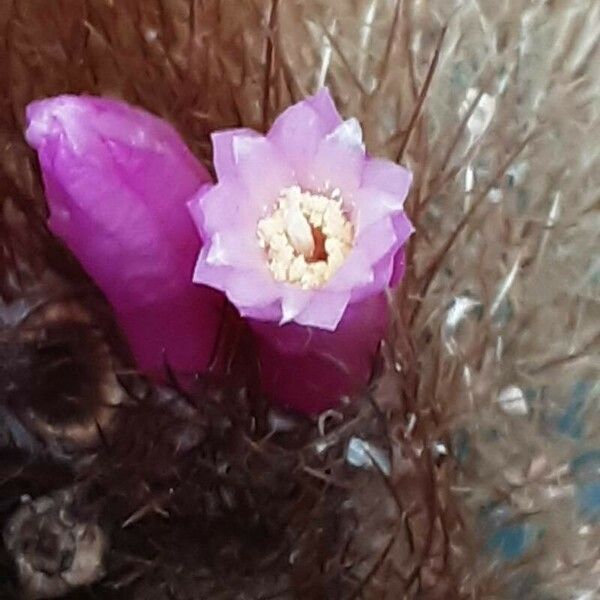
Plant Overview
Known as one of the most striking members of its genus, Micranthocereus streckeri is a rare Brazilian treasure. Often sought after by specialist collectors, this cactus is famous for its "pseudocephalium"—a fuzzy, vertical strip that looks like a miniature mohawk where its vibrant flowers emerge. It is a slow-growing vertical masterpiece that brings a touch of the high-altitude Brazilian scrubland into the home.
🔍 How to Identify
- 🌵 Columnar Stems: The plant grows in slender, upright columns that can reach about 3 feet tall, often sporting a beautiful glaucous (waxy bluish-green) tint.
- 🧶 The Woolly 'Mohawk': Mature specimens develop a dense, bristly zone of white or cream wool and golden bristles that runs down one side of the stem.
- 🌸 Vibrant Blooms: Small, tubular flowers in shades of deep pink or magenta emerge exclusively from the woolly section, usually appearing in late summer.
🏡 In Your Garden
- ☀️ Light & Color: To maintain its signature blue hue and dense golden spines, this cactus needs very bright, direct light. In low light, it will stretch (etiolate) and lose its distinctive compact look.
- 🪨 Mineral Substrate: In the wild, it grows in rocky quartzite cracks. It hates "wet feet," so use a very gritty cactus mix (at least 50% pumice or perlite). It prefers a bit more atmospheric humidity than desert cacti but needs the soil to dry out completely between waterings.
⚠️ Safety & Toxicity
- 🟢 Non-Toxic: This species is not known to contain any harmful toxins, making it chemically safe for households with curious pets or children.
- 🩹 Physical Hazard: While not poisonous, the spines are very fine, sharp, and numerous. They can easily lodge in skin or paws, so it is best kept on a high shelf away from high-traffic areas.
✨ Fun Fact
- 💎 A Rare Gem: Micranthocereus streckeri is considered critically endangered in its native Brazilian habitat. It is found only in a very small area of the Serra do Sincorá mountains, making it a true "living relic" for conservation-minded gardeners!

Detailed Care Instructions
To grow a Micranthocereus Streckeri plant, also known as the Strecker's hedgehog cactus, you can follow these steps:
- Obtain a Micranthocereus Streckeri plant: Look for a healthy plant either from a nursery or online. Make sure it is a reputable source.
- Pot selection: Choose a well-draining pot with a size suitable for the plant's current size. A clay pot is a good choice as it allows excess moisture to evaporate.
- Soil mixture: Use a well-draining cactus or succulent potting mix. Alternatively, you can create your own mix by combining regular potting soil with perlite or coarse sand for better drainage.
- Planting: Gently remove the plant from its nursery pot, being cautious of the spines. Place it in the new pot and add the soil mixture around it, ensuring that it is firmly rooted but not buried too deeply. Leave some space at the top for watering.
- Lighting: Micranthocereus Streckeri plants prefer bright, indirect light. Place them near a south or east-facing window where they can receive a few hours of morning or afternoon sun. If outdoor conditions allow, they can also be grown in a partially shaded area.
- Temperature: These cacti prefer temperatures between 60-85°F (15-29°C) during the growing season. Avoid exposure to frost or extremely low temperatures.
- Watering: Allow the soil to completely dry out between waterings. Overwatering can lead to root rot and other fungal diseases. During the growing season (spring to fall), water sparingly, about once every two weeks or when the soil is dry at least an inch (2.5 cm) deep. Reduce watering during the winter months when the plant enters dormancy.
- Humidity: Micranthocereus Streckeri plants prefer low humidity conditions. Avoid placing them in areas with high humidity or near sources of moisture.
- Fertilizer: Fertilize sparingly during the growing season using a diluted, balanced cactus or succulent fertilizer. Follow the instructions on the fertilizer bottle for the appropriate concentration and frequency.
- Pruning: Remove any dead or damaged portions of the plant using sterile pruning shears. This helps maintain the overall health and appearance of the plant.
- Repotting: As the Micranthocereus Streckeri plant grows, you may need to repot it into a larger pot every few years or when the roots become crowded. Be gentle when repotting to avoid damaging the roots.
- Pest control: Keep an eye out for common pests such as mealybugs, spider mites, or scale insects. If you notice any infestation, treat the plant with appropriate pest control measures, such as using neem oil or gently wiping the affected areas with rubbing alcohol.
By following these steps, you can successfully grow a Micranthocereus Streckeri plant. Remember to observe and adjust the care practices as needed based on the specific conditions in your environment.
To properly water Micranthocereus Streckeri, you need to follow these guidelines:
- Observe the soil: Before watering, check the moisture level of the soil. Insert your finger about an inch into the soil near the base of the plant to determine whether it is dry or still moist.
- Use the right watering method: Micranthocereus Streckeri requires a moderate amount of water. Instead of overhead watering, it is best to water the soil directly at the base of the plant to avoid wetting the leaves excessively.
- Water in the morning: It is recommended to water your plant in the morning to allow any excess moisture to evaporate during the day. This helps prevent fungal diseases and rot caused by excess moisture lingering on the plant's tissues.
- Water thoroughly: When watering, ensure that the entire root zone receives water. This means watering until you see the water starting to drain out of the bottom of the pot or until the surrounding soil is adequately moistened.
- Avoid overwatering: Overwatering can lead to root rot and other issues. Always allow the soil to dry out partially between waterings. It's better to underwater slightly than to overwater.
- Adjust watering frequency based on the season: Micranthocereus Streckeri's water needs may vary with the season. During active growth phases, such as spring and summer, the plant may require more frequent watering. Conversely, during dormant periods or in the colder months, the watering frequency can be reduced.
- Consider environmental factors: Factors like temperature and humidity can affect the watering needs of the plant. Higher temperatures and lower humidity levels may necessitate more frequent watering, while cooler temperatures and higher humidity levels may require less frequent watering.
Remember, these watering guidelines serve as general recommendations. It is essential to adapt them based on the specific needs and conditions of your Micranthocereus Streckeri plant, considering factors such as pot size, soil type, and the plant's age. Regularly monitor your plant's appearance and adjust the watering accordingly to maintain optimal health.
To fertilize Micranthocereus Streckeri, you can follow these instructions:
- Select a balanced, water-soluble fertilizer with a ratio such as 10-10-10 or 20-20-20. This means the fertilizer contains equal proportions of nitrogen (N), phosphorus (P), and potassium (K), respectively.
- Dilute the fertilizer according to the manufacturer's instructions. Generally, a dilution of around half strength is recommended.
- Water your Micranthocereus Streckeri thoroughly before applying the fertilizer to ensure the soil is moist.
- Pour the diluted fertilizer mixture around the base of the plant, avoiding direct contact with the stems or leaves.
- Ensure the fertilizer is evenly spread around the root zone but avoid over-fertilizing, as it may cause harm to the plant.
- After fertilizing, water the plant again to help the nutrients penetrate the soil and reach the roots.
- Repeat the fertilization process once every two to four weeks during the active growing season, which is usually from spring to late summer or early fall.
- Reduce or cease fertilization during winter or periods of dormancy to allow the plant to rest.
- Monitor the plant regularly for any signs of nutrient deficiencies or excesses. Adjust the fertilization frequency or strength if necessary.
- Properly store the unused fertilizer following the manufacturer's directions to maintain its effectiveness.
Remember, it is essential to read and follow the instructions provided by the specific fertilizer manufacturer to ensure optimal results and the health of your Micranthocereus Streckeri.
Micranthocereus Streckeri, commonly known by various names, is a unique and fascinating plant that has specific soil requirements to thrive. When selecting soil for Micranthocereus Streckeri, it is important to consider its natural habitat and growth characteristics.
This species is native to certain regions and has adapted to specific soil conditions. In general, Micranthocereus Streckeri prefers a well-draining soil mixture. It is crucial to ensure that the soil allows excess water to drain away to prevent the roots from becoming waterlogged, which can lead to rot.
A suitable soil composition for Micranthocereus Streckeri can be achieved by using a cactus or succulent mix. These mixes are designed to mimic the natural desert or arid conditions that cacti and succulents, including Micranthocereus Streckeri, thrive in.
A typical cactus or succulent soil mix comprises a combination of organic matter, such as peat moss or coir, and inorganic materials like perlite, pumice, or sand. This blend provides adequate aeration, drainage, and moisture retention.
Organic matter helps retain some moisture while preventing the soil from becoming overly compacted. It also contributes to the nutritional needs of the plant. Inorganic materials like perlite or pumice help improve drainage and prevent the soil from retaining too much water.
When potting your Micranthocereus Streckeri, make sure the container has drainage holes to allow excess water to escape. Additionally, it's beneficial to add a layer of small rocks or gravel at the bottom of the pot to further enhance drainage.
It is important to note that Micranthocereus Streckeri is a slow-growing plant, so frequent repotting is generally unnecessary. However, to maintain optimum health, repotting every two to three years or when the plant outgrows its current pot size is recommended.
Overall, providing Micranthocereus Streckeri with a well-draining cactus or succulent soil mix that replicates its native environment will help ensure its healthy growth and longevity.
Micranthocereus Streckeri is a plant that can be propagated through various methods. Here is a detailed explanation of the propagation process without mentioning its common names:
- Select a healthy parent plant: Ensure that the parent plant is mature and in good condition, with no signs of disease or insect infestation. This will increase the chances of successful propagation.
- Gather the necessary tools and materials: Prepare a clean, sharp knife or pair of pruning shears, a clean container or pot for planting, and a well-draining potting mix suitable for cacti and succulents.
- Choose the method of propagation: There are three main methods to propagate Micranthocereus Streckeri - by seeds, stem cuttings, or offsets.
a. Seed propagation: Collect ripe seeds from the fruit of the plant, if available. Sow the seeds in a well-draining potting mix, covering them lightly. Keep the soil moist but not waterlogged and provide a warm and bright environment. Germination can take several weeks to months.
b. Stem cutting propagation: Take a stem cutting from the parent plant. Ensure the cutting is around 4-6 inches long and has no signs of damage or disease. Let the cutting dry out for a few days until the cut end forms a callus. Then, plant the cutting in a well-draining potting mix, burying the cut end slightly. Water the soil lightly and place the cutting in a warm and bright location. Avoid direct sunlight until the cutting establishes roots.
c. Offset propagation: Identify any offsets or "pups" that have grown alongside the parent plant. Gently separate the offsets from the main plant, ensuring they have some roots attached. Plant the offsets in their own containers, using a well-draining potting mix. Water lightly and provide them with a warm and bright environment.
- Provide proper care: After propagating Micranthocereus Streckeri, it is important to provide appropriate care to ensure the success of the new plants. This includes:
a. Light: Place the newly propagated plants in a location with bright, indirect sunlight. Gradually introduce them to more direct sunlight over time.
b. Watering: Water the new plants sparingly, allowing the soil to dry out between waterings. Overwatering may cause root rot.
c. Temperature and humidity: Maintain the plants in a warm environment with temperatures above 60°F (15°C). These plants prefer low humidity levels.
d. Fertilization: Once the new plants have established roots, you can provide a diluted, balanced liquid fertilizer every 4-6 weeks during the growing season.
- Monitor and transplant: Keep an eye on the new plants for any signs of disease or pests. As they grow, you may need to transplant them into slightly larger containers with fresh potting mix to provide adequate space for root growth.
By following these propagation methods and providing proper care, you can successfully propagate Micranthocereus Streckeri and expand your collection of this unique plant.








