Plant Overview
Known commonly in South America as Cambará or the Candeia, Moquiniastrum polymorphum is often called the "Silver Forest Healer." This resilient tree is a pioneer species, meaning it is one of the first to bravely reclaim disturbed lands or barren fields, paving the way for other life to return. Its name polymorphum hints at its "many forms," as its leaves and growth habits can change slightly depending on the environment it calls home.
🔍 How to Identify
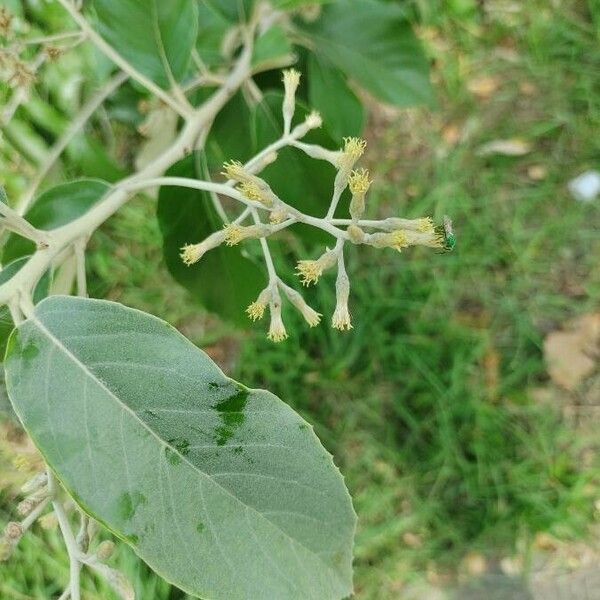
- 🥈 Velvety Foliage: The leaves are the standout feature, possessing a thick, felt-like texture. They are typically dark green on top and a striking silvery-grey or white underneath, creating a shimmering effect when the wind blows.
- 🪵 Corky Bark: The trunk is covered in a thick, deeply fissured, cork-like bark. This rugged "armor" protects the tree from environmental stressors and even occasional fires in its native savanna habitats.
- 🌼 Clustered Blooms: In late summer and autumn, it produces small, yellowish-white tubular flowers gathered in dense clusters at the ends of branches. While subtle, they are a feast for local biodiversity.
🏡 In Your Garden
- 🌱 The Pioneer Spirit: Because it is a pioneer plant, it is incredibly hardy and adapts well to poor, sandy, or rocky soils. It is an excellent choice for "low-maintenance" or "xeriscaped" gardens where water conservation is a priority.
- 🦋 Pollinator Magnet: If you want to transform your garden into a sanctuary, this tree is a must-have. Its flowers are highly attractive to bees and butterflies, providing a critical nectar source when other plants might not be in bloom.
- 🌳 Growth Habit: It typically grows as a small tree or large shrub. Its open, airy canopy allows sunlight to filter through, making it a perfect "overstory" for shade-loving smaller plants.
⚠️ Safety & Toxicity
- 🟢 General Safety: Moquiniastrum polymorphum is generally considered non-toxic to humans and common pets.
- 🤧 Allergy Note: As a member of the Asteraceae (daisy) family, individuals who are highly sensitive to ragweed or marigolds might experience minor skin irritation if they handle the crushed leaves or sap extensively.
- 🍯 Medicinal History: In traditional South American folk medicine, extracts from the leaves are often used to create "Cambará syrup" for coughs, though you should always consult a professional before using any plant medicinally.
✨ Fun Fact
The wood of the Cambará is so rich in essential oils and resins that it is famously durable. In rural Brazil, it was historically the preferred material for fence posts and heavy construction because it can withstand rot and insects for decades without any chemical treatment!

Detailed Care Instructions
To successfully grow Moquiniastrum Polymorphum (also known as Mexican Mint Marigold or Mexican Tarragon), you can follow these steps:
- Climate and Location: This plant is a perennial herb that thrives in temperate and warm regions. It prefers full sun but can tolerate partial shade. Ensure the location has well-draining soil.
- Soil Preparation: Prepare the soil by adding organic matter like compost or well-rotted manure. This will improve soil fertility and drainage. Avoid waterlogged or overly clayey soils.
- Planting: You can plant Moquiniastrum Polymorphum as seeds or young nursery-grown plants. If using seeds, sow them directly into the prepared soil during spring or late summer. If using young plants, space them around 12-18 inches apart.
- Watering: Water the plant deeply and thoroughly after planting. Afterward, water regularly but avoid over-watering, as it can cause root rot. Aim for keeping the soil moist but not soggy.
- Mulching: Apply a layer of mulch around the plant to help conserve moisture, suppress weeds, and regulate soil temperature.
- Fertilization: Moquiniastrum Polymorphum typically doesn't require heavy feeding. However, you can apply a slow-release, balanced organic fertilizer in spring to promote growth.
- Pruning: Regularly prune the plant to encourage branching and compact growth. Pinching or trimming the tips can help maintain a bushy habit. Remove any dead or damaged foliage.
- Pests and Diseases: This plant is generally resilient to pests and diseases. However, be on the lookout for aphids or spider mites. If necessary, you can use organic insecticides or pest control methods to manage them.
- Harvesting: The leaves of Moquiniastrum Polymorphum have a tarragon-like flavor and are commonly used as a culinary herb. You can start harvesting young leaves once the plant is established, usually after a few months.
By following these guidelines, you can successfully grow and enjoy the aromatic and flavorful Moquiniastrum Polymorphum plants in your garden.
To effectively water the Moquiniastrum Polymorphum plant, follow these guidelines:
- Assess the moisture levels: Before watering, determine if the plant requires hydration. Lightly press your finger into the soil, about an inch deep. If it feels dry to the touch, it is time to water the plant.
- Choose the right water source: Use room temperature water, preferably distilled or rainwater, to protect the plant from chemicals present in tap water. If distilled or rainwater is unavailable, let tap water sit out for a day to allow chlorine and other chemicals to evaporate before using it.
- Watering frequency: The plant requires sufficient but not excessive moisture. Water the plant deeply and thoroughly enough to soak the entire root ball without causing water to pool around the base. Aim for a moderate watering schedule, allowing the top inch of soil to dry out between watering sessions.
- Water distribution: Direct the water to the base of the plant, avoiding the foliage and flowers. This helps prevent disease and fungal issues. Distribute the water evenly around the base, ensuring it reaches all sides of the root ball.
- Drainage: Ensure proper drainage to avoid waterlogging the plant's roots. If planted in a pot, ensure it has drainage holes at the bottom. For outdoor plants, choose well-draining soil and avoid overwatering.
- Observe and adjust: Monitor the plant closely for signs of over or underwatering. If the leaves appear yellow or wilted, it may be a sign of overwatering. If the leaves droop or become brown and crispy, it may indicate underwatering. Adjust the watering schedule accordingly to maintain a healthy balance.
Remember, each plant has specific water requirements, so it's essential to consider factors like the plant's size, environmental conditions, and root development. By observing the plant's response and adjusting your care accordingly, you can help ensure the optimal health and growth of the Moquiniastrum Polymorphum plant.
To fertilize Moquiniastrum Polymorphum plants, follow these instructions:
- Choose a balanced, slow-release fertilizer with an equal NPK ratio (such as 10-10-10 or 14-14-14). Avoid using high nitrogen fertilizers, as this can cause excessive leaf growth at the expense of flower production.
- Apply the fertilizer in early spring, just as new growth begins. This timing allows the plant to utilize the nutrients for healthy development throughout the growing season.
- Sprinkle the fertilizer evenly around the base of the plant, keeping it away from direct contact with the stems or leaves. Avoid placing the fertilizer too close to the plant to prevent root burn.
- Gently work the fertilizer into the top inch of soil using a hand cultivator or rake. Be careful not to disturb the roots while doing so.
- Water the plant thoroughly after fertilizer application. This helps the nutrients to penetrate the soil and reach the root zone.
- Repeat the fertilization process once every four to six weeks during the growing season, typically from spring to early fall. However, avoid fertilizing during periods of extreme heat or drought, as this can stress the plant.
Remember to always follow the instructions provided on the fertilizer packaging for specific product guidelines. Adjust the fertilization frequency or amount based on the plant's response and consider the overall health and appearance of the Moquiniastrum Polymorphum plant.
Moquiniastrum polymorphum, commonly referred to as [redacted], is a versatile and beautiful plant that requires specific soil conditions to thrive. The ideal soil for Moquiniastrum polymorphum should be well-draining, loose, and slightly acidic. It should also possess good water retention capabilities to ensure the plant gets enough moisture while preventing waterlogging.
The soil should be loamy or sandy to promote proper aeration, which aids in root development and nutrient uptake. This type of soil also prevents compaction and allows excess water to drain away, preventing the roots from becoming waterlogged.
Moquiniastrum polymorphum prefers slightly acidic soil, with a pH level between 6.0 and 6.5. This acidity level ensures that essential nutrients are readily available to the plant, as certain nutrients tend to become less accessible in alkaline soil.
Adding organic matter like compost or well-rotted manure to the soil before planting can help improve its overall structure, fertility, and moisture-retention properties. This enhances the plant's ability to absorb nutrients, encourages healthy root growth, and promotes robust foliage and flower production.
It is important to mention that Moquiniastrum polymorphum also benefits from supplemental feeding during the growing season. Regularly applying a balanced, slow-release fertilizer according to the manufacturer's instructions can provide the necessary nutrients for optimal growth.
Remember to plant Moquiniastrum polymorphum in an appropriately sized pot or garden bed using the recommended soil conditions. This will create an ideal environment for the plant to thrive, resulting in healthy growth, vibrant foliage, and abundant flowers.
Moquiniastrum polymorphum, commonly known as Pearly Everlasting, is a perennial plant that can be propagated through several methods, such as division, stem cuttings, and seedlings. Here is a detailed description of how to propagate Moquiniastrum polymorphum:
- Division: This method involves dividing the established plant into multiple sections, each with its own roots and shoots.
a. Choose a healthy, mature plant during its dormant period, typically in early spring or late fall.
b. Dig around the base of the plant, taking care not to damage the roots.
c. Gently lift the entire plant out of the ground or container and shake off excess soil.
d. Using a sharp, clean gardening tool, carefully separate the root ball into smaller sections. Ensure each section has enough shoots and roots.
e. Replant the divided sections into prepared soil in your desired location, ensuring they are at the same depth as the original plant.
f. Water thoroughly to settle the soil and continue regular care and maintenance.
- Stem Cuttings: This method involves taking cuttings from a parent plant and encouraging them to form roots and grow into new plants.
a. Select a healthy, mature stem from the parent plant, preferably in late spring or early summer when the plant is actively growing.
b. Using clean and sharp garden shears, cut a 4-6 inch long stem just below a leaf node (the point where leaves emerge from the stem).
c. Remove the lower set of leaves, leaving only a few at the top.
d. Dip the cut end of the stem in a rooting hormone powder or gel to encourage root development.
e. Prepare a pot with a well-draining rooting medium, such as a mix of perlite and peat moss or vermiculite.
f. Make a small hole in the soil using a pencil or finger and gently insert the cutting, ensuring at least half of it is buried in the soil.
g. Water the cutting thoroughly and place it in a location with bright, indirect light. Maintain a consistently moist environment by covering the pot with a plastic bag or a propagator dome.
h. After a few weeks, check for root development by gently tugging on the cutting. If there is resistance, it means roots have formed.
i. Once roots have established, transplant the rooted cutting into a larger container or your desired garden location. Continue regular care and maintenance.
- Seedlings: This method involves starting from seeds, either collected from the parent plant or purchased from a reputable seed supplier.
a. Collect mature seeds from the parent plant when the seed heads have turned brown and dry. Alternatively, purchase seeds from a reliable supplier.
b. Prepare seed trays or small pots with a well-draining seed-starting mix.
c. Sow the seeds on the surface of the soil and gently press them down, ensuring they are not covered by more than 1/8 inch of soil.
d. Moisten the soil by misting it with water or using a spray bottle. Avoid overwatering, as it may lead to poor germination or fungal diseases.
e. Place the trays or pots in a warm location with indirect sunlight. Maintain a consistent temperature between 65-75°F (18-24°C).
f. Keep the soil consistently moist but not waterlogged. Mist the soil whenever it begins to dry out.
g. Germination typically takes 2-4 weeks, but it can vary depending on the conditions.
h. Once the seedlings have developed their second set of true leaves, transplant them into larger containers or your desired garden location, ensuring adequate spacing.
i. Continue to provide regular care, including watering, fertilizing, and protecting the young plants from extreme weather conditions.
Remember, while Moquiniastrum polymorphum is a lovely perennial plant, it may also be referred to by different common names depending on the region or country.








