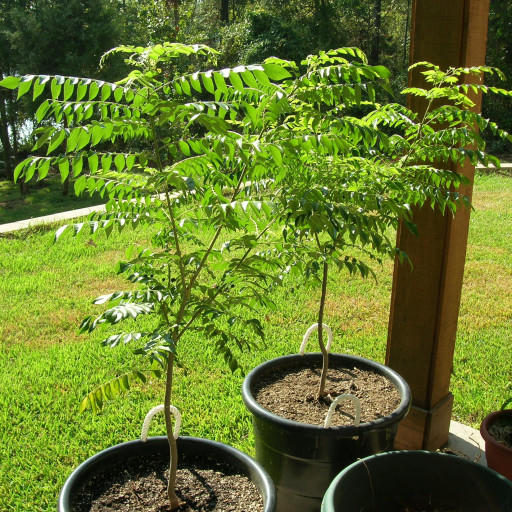
Plant Overview
Often called the "Curry Leaf Tree" or "Sweet Neem," Murraya koenigii is the unsung hero of the spice world. Native to the Indian subcontinent, it is prized for its intensely aromatic foliage that adds a nutty, citrus-like depth to South Asian cuisine. Despite its common name, this plant is not the source of "curry powder" (which is a blend of spices), but a unique botanical treasure with deep roots in both culinary and Ayurvedic traditions.
🔍 How to Identify
- 🌿 Leaf Structure: Features long, slender stems with 11 to 21 small, almond-shaped leaflets arranged in pairs along the stalk (pinnate).
- ⚪ The Blooms: Produces clusters of small, star-shaped white flowers that carry a sweet, heavy scent similar to orange blossoms.
- 👃 The Scent: When the leaves are bruised or crushed, they release a pungent, herbal aroma that is unmistakable and instantly recognizable to any chef.
🏡 In Your Garden
- ☀️ Sun Seeker: This plant thrives in bright, direct sunlight. In cooler climates, it can be grown in a pot, but it must be moved indoors before the first frost, as it is highly sensitive to cold and may drop its leaves in protest.
- 🪴 Transplant Tension: Murraya koenigii is notorious for having a sensitive taproot. It hates being moved once established, so when repotting, be extremely gentle to avoid "transplant shock" which can cause the plant to wilt or stall its growth for weeks.
- 💧 Watering Wisdom: It prefers rich, well-draining soil and likes to dry out slightly between waterings. Yellowing leaves are often a sign that the soil is staying too wet or the drainage is poor.
⚠️ Safety & Toxicity
- 🍽️ Edible Foliage: The leaves are perfectly safe for human consumption and are a staple in cooking.
- 🚫 Seed Warning: While the leaves are delicious, the seeds inside the small black berries are toxic and should never be eaten.
- 🐾 Pet Safety: The plant is generally considered non-toxic to cats and dogs in small amounts, but the high concentration of essential oils can cause stomach upset if a curious pet decides to graze on the leaves.
✨ Fun Fact
The species name koenigii honors Johann Gerhard König, a 18th-century botanist and physician who discovered the plant while serving as a missionary in India. Interestingly, it belongs to the same family as citrus trees (Rutaceae), which explains its refreshing, lemony undertones!

Detailed Care Instructions
| Color | White |
| Soil Ph | Acidic (6.4 To 6.9) |
| Lighting | Full Sun |
| Soil Type | Well-Drained Fertile |
| Bloom Time | Spring Through Fall |
| Plant Type | Broadleaf Evergreen |
| Mature Size | 6 To 20 Feet Tall And 4 To 12 Feet Wide |
| Native Area | Indian Subcontinent |
| Sun Exposure | Full Sun |
| Hardiness Zones | 9, 10, 11, 12 |
To grow Murraya Koenigii, also known as curry leaf plant, you can follow these steps:
- Obtain curry leaf seeds or seedlings: You can either purchase seeds from a reputable supplier or find a nursery that sells curry leaf seedlings.
- Plant the seeds or seedlings: If using seeds, sow them in a well-draining potting mix, covering them lightly with soil. If using seedlings, transplant them into a pot with well-draining soil.
- Provide the right growing conditions: Curry leaf plants require warm temperatures and plenty of sunlight. Place the pot in a location where it receives at least 6 hours of direct sunlight per day.
- Watering: Water the plant regularly, keeping the soil moist but not waterlogged. Curry leaf plants prefer slightly moist conditions, so avoid overwatering.
- Fertilizing: Fertilize the plant every 4-6 weeks during the growing season with a balanced fertilizer. This will help provide essential nutrients for healthy growth.
- Pruning: Prune the curry leaf plant regularly to encourage bushier growth. This can be done by pinching off the new growth or by cutting back older stems.
- Pests and diseases: Keep an eye out for common pests such as aphids or spider mites. Treat any infestations promptly to prevent damage to the plant. Also, watch for signs of diseases like leaf spot and treat accordingly.
- Harvesting: Curry leaves can be harvested once the plant reaches a sufficient height. Select the leaves from the outer branches, leaving enough behind for the plant to continue growing. Use harvested leaves fresh or dry them for culinary purposes.
Remember to be patient, as Murraya Koenigii can be slow-growing initially. With proper care and attention, you can enjoy a healthy and thriving curry leaf plant.

Place in a bright room that is sun drenched almost all day. Or directly in a south-facing window.

To water this plant, first make sure that the soil in its pot/container is dry to the touch, but not completely bone dry. Then, gently pour water over the soil until it starts to drain out of the bottom of the pot. Be sure not to let the pot sit in standing water, as this can lead to root rot. Water the plant like this once a week, or more frequently during hot, dry weather, and adjust based on your specific plant's needs.
To fertilize this plant, first, ensure that the soil is moist but not waterlogged. Then, use a balanced, slow-release fertilizer with an NPK ratio of 10-10-10. Apply the fertilizer once every three months during the growing season, which is typically between spring and summer. Avoid applying too much fertilizer, as this can harm the plant. Finally, water the plant thoroughly after applying the fertilizer to help distribute it evenly throughout the soil.
The ideal soil for the plant in question should be well-draining, loose, and rich in organic matter. It should have a pH range of about 6.0 to 7.5, and ample amounts of nutrients such as nitrogen, phosphorus, and potassium. It is crucial to use a soil that does not have any compacted clay as the plant needs good soil aeration. A sandy loam soil with a mixture of compost or well-rotted manure is recommended. The soil should also have good water retention capacity, but not be excessively moist or soggy. Before planting, it is advisable to prepare the soil by adding some organic matter such as well-rotted manure or compost. This will help to improve soil structure and fertility, which will, in turn, promote healthy plant growth and development.
To propagate this plant, take an 8-10 inch stem cutting from a healthy and mature plant. Remove the leaves from the lower 2-3 inches of the stem. Dip the cut end of the stem in rooting hormone powder and plant it in a pot filled with well-draining soil mix. Keep the soil moist and place the pot in a shaded area with indirect sunlight. After a few weeks, new roots should start to grow from the cut stem and new leaves should appear on the plant. Once the plant is firmly rooted in the soil, it can be transplanted to a larger pot or planted in the ground in a suitable location.
Common pests of the curry leaf tree include Mealybugs, spider mites, aphids, thrips. Make a habit of checking your curry leaf tree frequently for pests so that any infestations can be caught and managed early.








