Plant Overview
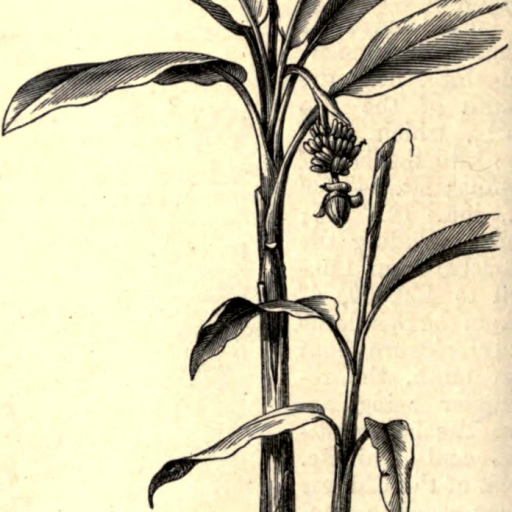
Known as Abaca or Manila Hemp, Musa textilis is the "workhorse" of the banana family. Unlike its delicious cousins found in grocery stores, this Philippine native is prized globally for its incredibly strong, salt-water-resistant fibers rather than its fruit. In its tropical home, it is a symbol of endurance and utility, often forming the backbone of local craft and international maritime history.
🔍 How to Identify
- 🍃 Leaf Structure: The leaves are narrower and more pointed than those of the common dessert banana, often displaying a vibrant, glossy green hue with a slightly waxy underside.
- 🎋 The Pseudostem: Look for a tall, sturdy trunk (actually a "pseudostem" made of overlapping leaf sheaths) that can reach heights of 12 to 20 feet. This is where the famous fibers are hidden.
- 🍌 Inedible Fruit: It produces small, green, banana-like fruits. However, don't be tempted to snack; they are dry, tasteless, and packed with hard, black seeds.
🏡 In Your Garden
- 💧 Thirst for Humidity: As a true tropical, it craves high humidity and consistent moisture. It is particularly sensitive to dry indoor air, which can cause the leaf edges to turn brown and crispy.
- 🌬️ Wind Protection: Because the leaves are thinner than other Musa species, they shred easily in high winds. If planting outdoors, choose a sheltered spot to keep the foliage looking lush and intact.
- 🍴 Heavy Feeding: This plant is a "hungry" grower. It requires rich, organic soil and frequent fertilization during the growing season to support its rapid vertical growth.
⚠️ Safety & Toxicity
- ✅ Status: Generally non-toxic to humans and pets.
- 🧥 Sap Stains: While not poisonous, the clear sap from the stems can cause mild skin irritation in sensitive individuals. More importantly, the sap acts like a permanent dye; if it gets on your clothes, those brownish-black stains are likely there to stay!
✨ Fun Fact
The fibers of the Abaca are so durable and resistant to decomposition in salt water that they were traditionally the primary material for ship rigging. Today, those same fibers are used to make tea bags, high-end specialty papers, and even various denominations of bank notes, including the Japanese Yen!

Detailed Care Instructions
To grow Musa textilis, also known as the abaca or Manila hemp plant, you can follow these steps:
- Choose a suitable location: Abaca plants prefer warm and humid climates. Select an area in your garden or yard that receives full to partial sun with temperatures between 68-86°F (20-30°C). They also require protection from strong winds.
- Prepare the soil: Abaca plants thrive in well-draining, fertile soil. Prepare the soil by removing any weeds, rocks, or debris and loosen it to improve drainage. You can amend the soil with organic matter like compost or well-rotted manure to enrich it.
- Obtain healthy plant material: You can obtain abaca plant rhizomes (underground stems) from a reputable nursery or online supplier. Make sure the plants are disease-free and healthy. Alternatively, you can harvest healthy rhizomes from existing abaca plants if available.
- Planting: Dig a hole large enough to accommodate the abaca rhizome. Place the rhizome horizontally in the hole, ensuring that the growing tips are facing upward. Cover it gently with soil, leaving the growing tip exposed. Space multiple plants at least 10-12 feet apart to allow for their large spread.
- Watering: Abaca plants require consistent moisture, but avoid waterlogged conditions. Keep the soil slightly moist, watering deeply once or twice a week, depending on the weather. Mulching around the plants can help retain moisture in the soil.
- Fertilization: Apply a balanced organic fertilizer every 3-4 months to provide essential nutrients for healthy growth. Follow the package instructions for proper dosage.
- Provide support: Abaca plants require support as their leaves can become quite large and heavy. Install stakes or a trellis system near the plant to tie the leaves to prevent toppling.
- Pruning: Prune any damaged or dead leaves as needed. Abaca plants usually produce suckers or offsets from the base, which can be removed and replanted to propagate new plants.
- Pest and disease control: Keep an eye out for common pests like aphids, spider mites, or mealybugs. Treat infestations by using insecticidal soap or neem oil. Additionally, monitor for any signs of leaf spots or wilt and take appropriate disease control measures.
- Harvesting: Abaca plants take around 18-24 months to reach maturity. Harvest the stalks when the leaves start to dry out and fall off naturally. Cut the stalks close to the ground using sharp tools, leaving the roots intact to allow for regrowth.
Remember, growing abaca plants require patience as they have an extended growth period. However, with proper care, you can enjoy the benefits of this versatile and valuable plant.
The Musa Textilis plant requires consistent and thorough watering to thrive. Water the plant deeply, allowing the soil to become saturated, but be sure that the soil is never waterlogged. You should check the moisture level of the soil regularly to ensure that it does not dry out completely. The frequency of watering may vary depending on the climate, but generally, the plant should receive water once or twice a week. Watering should be done early in the morning or late in the evening to avoid evaporation and to allow the soil to absorb as much moisture as possible. Be sure to water the plant at the base, avoiding the leaves, as this can cause fungal growth. Additionally, it's important to keep the plant in a well-draining soil to prevent water from accumulating and harming the roots.
To fertilize the Musa Textilis plant, apply a balanced fertilizer with equal parts nitrogen, phosphorus, and potassium every four to six weeks during the growing season. Avoid over-fertilization, as it may burn the roots and damage the plant. Water the plant well before and after fertilization to prevent nutrient burn and to help the fertilizer penetrate the soil. Use quality, organic fertilizers to provide the necessary nutrients and improve soil health.
Musa Textilis is a plant that requires a well-drained soil that is rich in organic matter. The soil should be slightly acidic with a pH between 5.5 and 6.5. It is important to use a soil that is free of pests and diseases. A mixture of topsoil, compost, and sand can provide the ideal growing medium for the Musa Textilis plant. The soil should be kept moist but not waterlogged, as this can lead to root rot. It is also beneficial to add a slow-release fertilizer to the soil to provide the plant with the necessary nutrients for healthy growth. Overall, the soil should be loose, friable, and well-aerated to allow for proper root development and healthy growth of the Musa Textilis plant.
Musa Textilis can be propagated through a few different methods, including division, tissue culture, and suckers.
Division involves separating the root ball of an established plant into smaller sections, each with its own roots and leaves. This can be done carefully with a sharp knife or garden fork, taking care not to damage the roots or leaves. The smaller sections can then be potted up into new containers or planted in the ground.
Tissue culture involves taking a small piece of plant tissue and growing it in sterile conditions in a laboratory. This method can produce a large number of identical plants quickly and is often used in commercial plant production.
Suckers are the small plantlets that grow from the base of the parent plant. They can be carefully removed and potted up into their own containers or planted in the ground. Suckers can also be left to grow on the parent plant, eventually becoming new stems and producing their own fruit.
Regardless of the propagation method chosen, Musa Textilis plants require warm, humid conditions to grow successfully. They prefer well-draining soil and regular watering, but can also tolerate periods of drought. With proper care, these plants can be propagated easily and enjoyed for years to come.








