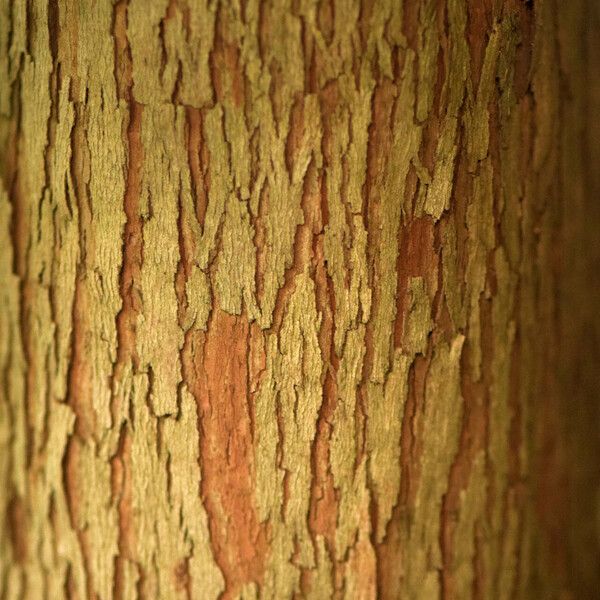
Plant Overview
Known affectionately as the "Pedreia" or "Cambuí" in its native South American haunts, Myrcia guianensis is a versatile survivor of the tropics. From the lush Amazon basin to the rocky outcrops of the Brazilian Cerrado, this elegant shrub or small tree is a cornerstone of its ecosystem. It is celebrated by locals and enthusiasts alike for its glossy, aromatic foliage and delicate, ethereal blooms that look like tiny bursts of starlight hidden among the leaves.
🔍 How to Identify
- 🍃 Glossy Foliage: The leaves are leathery, elliptical, and boast a deep green, polished sheen. They are arranged oppositely along the stems and often release a mild, spicy scent when crushed.
- ☁️ "Shaving Brush" Flowers: It produces small, white, fragrant flowers characterized by a mass of long, prominent stamens. This gives the clusters a fluffy, "pom-pom" appearance typical of the Myrtaceae family.
- 🍇 Changing Berries: The plant yields small, round fruits that undergo a color transformation, ripening from a pale green to a vibrant reddish-purple, and finally to a deep, dark black.
🏡 In Your Garden
- 🌱 Root Resilience: This species is prized for its adaptability. It possesses a robust root system that allows it to thrive in nutrient-poor or sandy soils, making it an excellent choice for "tough" spots in a tropical-style garden.
- 🦋 Wildlife Service: If you want a lively garden, this is your plant. The nectar-rich flowers are a magnet for native bees and butterflies, while the ripened berries act as a vital food source for local bird populations.
- ✂️ Growth Habit: Left to its own devices, it can reach the size of a small tree, but it responds very well to pruning. It can be easily trained into a dense, ornamental hedge or a focal-point shrub.
⚠️ Safety & Toxicity
- ✅ Low Risk: Myrcia guianensis is generally considered non-toxic to humans and common household pets.
- 👅 Astringent Properties: While many Myrcia berries are technically edible, they are often quite astringent or sour. Always ensure 100% identification before tasting any wild plant, as many tropical species have lookalikes that can cause stomach upset.
✨ Fun Fact
The leaves of Myrcia guianensis are rich in nerolidol, a natural compound also found in ginger and jasmine. This essential oil is highly valued in the fragrance industry for its woody, floral scent and is currently being studied by scientists for its potential skin-soothing properties!

Detailed Care Instructions







