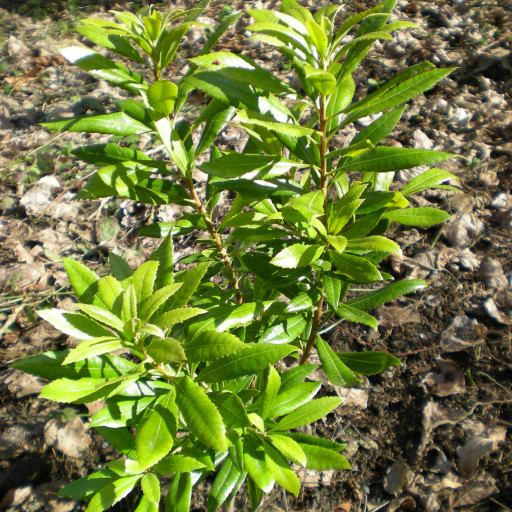
Plant Overview
Known as the "Coastal Guardian," the Pacific Wax Myrtle is the ultimate multitasker of the West Coast. This lush, evergreen beauty thrives where other plants falter, standing tall against salt spray and heavy ocean winds. Whether it is being used as a fragrant privacy screen or a sanctuary for local songbirds, it brings a wild, woodsy elegance to any landscape.
🔍 How to Identify
- 🍃 The Foliage: Look for narrow, lance-shaped leaves that are a glossy, deep green. The edges usually feature small, irregular serrations (teeth) toward the tips.
- 🫐 The Berries: In late summer and fall, you will find clusters of tiny, purplish-black nutlets coated in a distinctive grey-white wax.
- 👃 The Scent: If you crush a leaf between your fingers, it releases a spicy, balsamic aroma reminiscent of bay leaves or forest floor.
🏡 In Your Garden
- 🌿 Nitrogen Power: This plant is a "pioneer species." It has special nodules on its roots that allow it to fix nitrogen from the air, meaning it can actually improve the quality of poor, sandy soils over time.
- ✂️ The Perfect Hedge: Because it grows rapidly and responds well to shearing, it is a favorite for gardeners looking to create a "living wall." It stays evergreen all year, providing constant privacy.
- 🐦 Wildlife Magnet: While humans find the berries waxy, they are a high-energy food source for migrating birds, particularly Yellow-rumped Warblers and local finches.
⚠️ Safety & Toxicity
- ✅ General Safety: Myrica californica is generally considered non-toxic to humans, dogs, and cats. It does not carry the high-risk toxins found in many other ornamental shrubs.
- 🧤 Skin Sensitivity: While not poisonous, the leaves contain high amounts of resins and volatile oils. Some sensitive individuals may experience mild skin irritation after heavy pruning, so gloves are recommended.
- 🚫 Not for Snacking: Although the berries were historically used as a spice in very small amounts, they are not a food crop and can cause stomach upset if eaten in quantity.
✨ Fun Fact
Early settlers and indigenous groups used to boil the berries to collect the waxy coating, which was then used to make aromatic, clean-burning candles. It takes a massive amount of berries to make a single candle, making "Myrtle Wax" a luxury item in the past!

Detailed Care Instructions
To grow Myrica californica (Pacific wax myrtle) plants, you can follow these steps:
- Select a suitable location: Choose a spot that receives full sun to partial shade. The soil should be well-draining and preferably sandy or loamy.
- Prepare the soil: Amend the soil by adding organic matter like compost or peat moss to improve its fertility and drainage. This will help the plant establish and grow better.
- Propagation: Myrica californica plants can be propagated from seeds, cuttings, or suckers. Seeds are readily available online or can be collected from mature fruit-bearing trees. Soak the seeds in warm water for 24 hours before planting to help with germination. Sow them in pots or directly in the ground in spring or early summer.
- Planting: If starting from seeds, plant them about 1/4 inch deep. If using cuttings or suckers, plant them at the same depth as the parent plant. Space multiple plants around 8-10 feet apart.
- Watering: Keep the soil consistently moist but not waterlogged. Water regularly, especially during the establishment period. Once the plants are established, they can tolerate some drought, but it's still best to water during extended dry periods.
- Mulching: Apply a layer of organic mulch around the plant to help retain moisture, suppress weeds, and protect the roots from temperature fluctuations. Keep the mulch a few inches away from the plant's trunk to prevent rotting.
- Pruning: Prune the plant to shape it and remove any dead or damaged branches. You can also trim it regularly to maintain a desired size and shape. Pruning is typically done in late winter or early spring before new growth appears.
- Fertilizing: Myrica californica generally doesn't require much fertilization. However, a balanced, slow-release fertilizer can be applied in early spring to promote healthy growth. Follow the manufacturer's instructions for application rates.
- Pests and diseases: Generally, Pacific wax myrtle is resistant to most pests and diseases. However, occasional problems like aphids or scale insects may occur. Monitor the plants regularly and take appropriate measures, such as using organic insecticides or horticultural soap if necessary.
- Maintenance: Regularly monitor the plant for any signs of stress, such as yellowing leaves or wilting. Keep the area around the plant free of weeds and debris. Regularly check for any signs of damage or disease and take prompt action if needed.
With proper care, your Myrica californica plant should grow well and provide you with attractive foliage, fragrant leaves, and waxy berries.

Place in a bright room that is sun drenched almost all day. Or directly in a south-facing window.

To water this particular plant, you should gently pour water onto the soil around its base, making sure to saturate the soil completely. Avoid getting water on the leaves or the stem of the plant, as this can cause damage to the plant. Water the plant only when the soil is dry, and be careful not to over-water it, as this can lead to root rot. You can also monitor the plant's water needs by checking the moisture level of the soil with a soil moisture meter or by feeling the soil with your finger. Additionally, make sure the plant is in a well-draining pot or grown in well-draining soil, as this will help prevent over-watering and waterlogged roots.
To fertilize, apply a balanced fertilizer, such as 10-10-10, during the plant's growing season in early spring and mid-summer. Use a slow-release granular fertilizer and apply according to package instructions, spreading evenly around the base of the plant and working into the soil. Be careful not to over-fertilize, as this can burn the plant's roots. Water the plant immediately after fertilizing to help distribute the fertilizer evenly.
The best soil to use for the Myrica Californica plant should have good drainage and a slightly acidic pH level. It should also be rich in organic matter and have a good balance of nutrients. A mixture of sandy loam and peat moss is recommended. Avoid using heavy clay soils or soils that have a high level of alkalinity. It's important to ensure that the soil is kept moist but not waterlogged, as the plant does not tolerate excessive moisture well. Adding a layer of mulch around the plant can help to retain moisture in the soil and provide additional nutrients as it decomposes.
To propagate this plant, you will need to collect seeds from a mature plant in the fall when the fruits are ripe. Clean the seeds and store them in a dry, cool place until spring. In early spring, sow the seeds in a well-draining potting mix in a container with drainage holes. Place the container in a bright, warm location and keep the soil moist. The seeds should germinate within 2-4 weeks. Once the seedlings have developed their first set of true leaves, you can transplant them into individual pots or directly into the garden in a partially shaded area with moist, acidic soil. Alternatively, you can take softwood stem cuttings in the summer by cutting a 4-6 inch piece of stem from a new growth tip, removing the lower leaves, and placing the cutting in a rooting hormone powder. Plant the cutting in a pot filled with moist potting mix and keep it in a warm, bright location until roots develop. Transplant the rooted cutting into a larger pot or into the garden in a partially shaded area with moist, acidic soil.
Common pests of the pacific wax myrtle include Scale insect, mealybugs, spider mites. Make a habit of checking your pacific wax myrtle frequently for pests so that any infestations can be caught and managed early.








