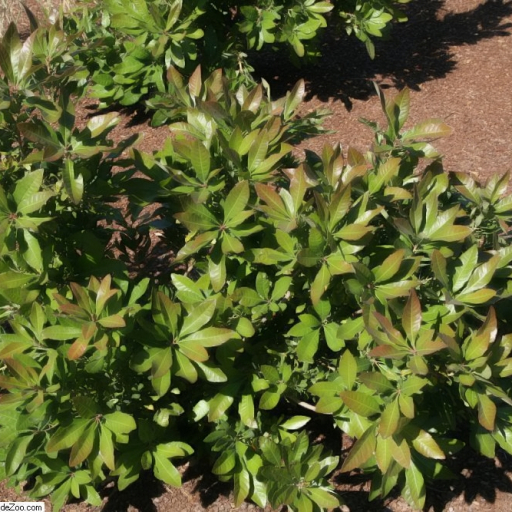
Plant Overview
Known affectionately as the Northern Bayberry or Candleberry, this hardy shrub is the true scent of the American coastline. Famous for its waxy, aromatic berries that colonial settlers once labored to turn into fragrant candles, it remains a favorite for its rugged nature and nostalgic perfume. It is a "pioneer species," often the first to reclaim sandy, wind-swept landscapes where nothing else dares to grow.
🔍 How to Identify
- 🍃 Leathery Foliage: The leaves are narrow, grayish-green, and feel slightly leathery. When crushed, they release a sharp, spicy, and resinous aroma.
- 🕯️ Waxy Clusters: On female plants, you’ll find tight clusters of small, hard, grayish-white berries that look like they’ve been dipped in candle wax.
- 🎋 Multi-Stemmed Habit: It typically grows as a dense, rounded mound of many branches, reaching 5 to 10 feet in height, providing excellent privacy or windbreak.
🏡 In Your Garden
- 🌊 Salt & Sand Survivor: This is a coastal champion. It thrives in salt spray and poor, sandy soils, making it perfect for beach houses or gardens near roads that are heavily salted in winter.
- 🧪 Nitrogen Fixer: Unlike most garden plants, the Bayberry works with soil bacteria to "fix" its own nitrogen. This means it doesn't need heavy fertilizing and actually improves the soil quality for neighboring plants.
- 🕊️ Wildlife Magnet: It serves as a critical winter food source for birds like the Yellow-rumped Warbler, who are among the few species able to digest the heavy wax coating on the berries.
⚠️ Safety & Toxicity
- 🐾 Low Toxicity: The plant is generally considered safe for landscaping, but the berries and leaves contain high concentrations of wax, resins, and tannins.
- 👶 Keep Out of Reach: If ingested in large quantities by pets or small children, it can cause nausea or stomach upset. It is best enjoyed for its scent, not as a snack.
- 🧤 Contact Sensitivity: While rare, some individuals with sensitive skin may develop a mild rash after heavy pruning; wearing gloves is a simple precaution.
✨ Fun Fact
Early American colonists valued Bayberry wax so highly because it didn't melt in the summer heat like animal tallow did, and it produced a clean, smoke-free flame that filled the home with a pleasant, forest-like incense!

Detailed Care Instructions
To grow Myrica Caroliniensis, also known as the Southern Bayberry or Wax Myrtle plant, follow these steps:
- Choosing a suitable location: Select a spot that receives full sun for at least 6-8 hours a day. The plant can tolerate partial shade, but full sun promotes healthy growth.
- Soil preparation: Myrica Caroliniensis prefers well-draining soil. If your soil is heavy or clayey, consider mixing it with organic matter like compost or aged manure to improve drainage and fertility. The pH level of the soil should be slightly acidic to neutral (around 5.5 to 7.0).
- Planting: Dig a hole slightly larger than the plant's root ball. Place the plant in the hole, ensuring that the top of the root ball is level with the surrounding soil. Fill the hole with soil, gently firming it around the root ball.
- Watering: Water the plant thoroughly after planting to help settle the soil and remove any air pockets. Keep the soil evenly moist, especially during the first year of growth. Once established, the plant is quite drought-tolerant.
- Mulching: Apply a layer of organic mulch, such as bark chips or straw, around the base of the plant to help retain moisture, suppress weed growth, and regulate soil temperature. Avoid piling the mulch directly against the stem.
- Pruning: Myrica Caroliniensis requires minimal pruning. However, if desired, you can trim back any dead or damaged branches in early spring before new growth emerges. This will help promote a more compact and dense growth habit.
- Fertilization: Fertilization is generally not necessary for Myrica Caroliniensis, as it can thrive in nutrient-poor soils. However, if you want to encourage faster growth or have poor soil conditions, you can apply a balanced slow-release fertilizer in early spring.
- Propagation: You can propagate Myrica Caroliniensis from softwood cuttings taken in late spring or early summer or by collecting and planting seeds. Softwood cuttings should be about 4-6 inches long and taken from the current year's growth. Place the cuttings in a well-draining rooting medium, keep them moist, and provide bottom heat for faster rooting.
By following these guidelines, you can successfully grow Myrica Caroliniensis and enjoy its attractive foliage, fragrant berries, and wildlife-friendly qualities.
To water the plant commonly known as Myrica Caroliniensis, follow these steps:
- Assess the moisture level: Before watering, check the soil's moisture to determine if watering is required. Insert your finger about 1-2 inches into the soil near the plant's base. If it feels dry at that depth, it's time to water.
- Choose the right watering method: Myrica Caroliniensis plants typically prefer deep, infrequent watering rather than frequent shallow watering. This encourages the roots to grow deeper, promoting a stronger and more resilient plant.
- Use an appropriate watering tool: When watering this plant, it's advisable to use a watering can or a hose with a gentle spray nozzle. This will help ensure a controlled and even distribution of water.
- Water the base of the plant: Aim the water directly at the base of the plant, ensuring that it reaches the root zone. Avoid soaking the foliage excessively as it may promote the growth of fungal diseases.
- Water thoroughly but avoid overwatering: Allow the water to penetrate the soil deeply, ensuring it reaches the entire root system. However, be cautious not to overwater, as excessive moisture can lead to root rot and other issues. Ensure that the excess water drains well from the pot or the soil.
- Observe drainage conditions: If you are growing the Myrica Caroliniensis plant in a container, check if there are drainage holes at the bottom. Adequate drainage is crucial to prevent soil waterlogging. If needed, adjust the pot or add gravel at the bottom to improve drainage.
- Consider environmental factors: Factors such as temperature, humidity, and season can influence the plant's watering needs. During hotter and drier periods, you may need to water more frequently, while during colder months or when the plant is in dormancy, water sparingly.
- Monitor the plant's response: After watering, keep an eye on the plant's overall health. Ensure that the leaves appear vibrant and healthy. If the foliage becomes yellow, droopy, or shows signs of wilting, it may indicate overwatering or underwatering. Adjust the watering schedule accordingly.
Remember, while these guidelines provide general watering instructions, it's always beneficial to consider the specific needs of your Myrica Caroliniensis plant and adapt the watering routine accordingly.
- Choose a balanced fertilizer: Select a fertilizer that has equal proportions of nitrogen, phosphorous, and potassium. Look for a slow-release granular fertilizer or a liquid fertilizer formulated for woody plants.
- Timing: Start fertilizing the Myrica Caroliniensis plant in early spring, just before new growth starts. Avoid fertilizing during late fall or winter when the plant goes dormant.
- Dilution: If using a liquid fertilizer, follow the instructions on the packaging to determine the appropriate amount to dilute the fertilizer in water. Different brands vary in concentration, so it's crucial to follow the specific instructions.
- Application: Apply the fertilizer evenly around the base of the plant, avoiding direct contact with the stem or foliage. If using granular fertilizer, sprinkle it around the drip line of the plant, which is where water would drip off the outermost branches.
- Amount: Use the recommended amount of fertilizer according to the instructions on the packaging. Avoid over-fertilizing, as it can cause nutrient burn or damage the plant's roots.
- Watering: After applying the fertilizer, water the plant thoroughly to help the soil absorb the nutrients. Adequate watering is important to prevent any fertilizer burn and to ensure the nutrients reach the plant's roots.
- Frequency: Fertilize the Myrica Caroliniensis plant once every four to six weeks during the growing season, which typically lasts from spring to early fall. Do not fertilize during the plant's dormant period.
- Adjustments: Observe the plant for any signs of nutrient deficiencies or excesses, such as yellowing leaves, stunted growth, or browning tips. Adjust the fertilizer application or change to a more suitable fertilizer if necessary.
Please note that it is always recommended to refer to the specific instructions provided by the fertilizer manufacturer, as different products may have variations in their application methods and quantities.
The Myrica Caroliniensis plant prefers a specific type of soil that is well-draining and slightly acidic. It grows best in a soil mixture that is rich in organic matter, as this helps to retain moisture while providing necessary nutrients for the plant's growth. The ideal pH range for the soil is between 5.5 and 6.5.
It is recommended to use a soil mix that consists of equal parts peat moss, perlite, and compost. Peat moss helps retain moisture while ensuring good drainage, perlite aids in improving the soil's drainage capacity, and compost provides essential nutrients for the plant's development.
Additionally, adding organic matter such as leaf mold or well-rotted manure to the soil can further enhance its quality and fertility. This helps to promote healthy root growth and overall vigor of the Myrica Caroliniensis plant.
Overall, the use of a well-draining, slightly acidic soil mixture enriched with organic matter is crucial for the successful growth and development of the Myrica Caroliniensis plant.
To propagate Myrica Caroliniensis, you can follow the steps below:
- Collecting Seeds: Harvest mature seeds from the plant during the fall season. Look for berries or drupes that are fully ripe and have turned dark in color. It is advisable to collect several berries to ensure successful germination.
- Seed Pre-Treatment: To increase germination rates, it is recommended to scarify the seeds. This can be done by gently rubbing the seeds with sandpaper or nicking the outer seed coat using a small knife. Alternatively, soak the seeds in warm water for 24 hours to soften the hard seed coat.
- Sowing Seeds: Fill a seed tray or container with a well-draining potting mix, preferably one that is suitable for native plants. Plant the treated seeds at a depth of approximately 1/4 inch (0.6 cm) and cover them lightly with the potting mix.
- Germination: Place the seed tray in a warm location with bright, indirect sunlight. Maintaining a temperature of approximately 68-86°F (20-30°C) can enhance germination. Keep the soil consistently moist, but avoid overwatering, as excess moisture can lead to rot. Germination may take several weeks to several months.
- Transplanting: Once the seedlings have reached a height of 2-3 inches (5-7.5 cm) and have developed a few true leaves, they can be transplanted into individual pots or directly into the ground. Use a well-draining soil mixture and provide enough space for the roots to grow.
- Care: Place the young plants in an area with partial shade that receives a few hours of direct sunlight each day. Water the plants regularly, ensuring that the soil remains moist but not waterlogged. Mulching around the base of the plants can help retain moisture and suppress weed growth.
- Growth and Maintenance: As the plants continue to grow, monitor them for pests, diseases, or nutrient deficiencies. Prune out any dead or damaged branches to encourage healthy growth. Depending on the climate and soil conditions, the Myrica Caroliniensis plant may require periodic fertilization to promote optimal growth.
By following these steps, you can successfully propagate Myrica Caroliniensis from seeds and help in expanding its population.








