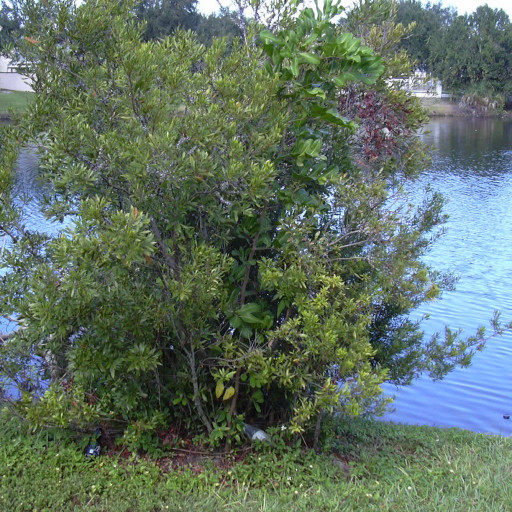
Plant Overview
Known as the "Southern Wax Myrtle" or "Bayberry," this versatile evergreen is a hallmark of the American Southeast. Early settlers cherished it for its spicy fragrance, using its waxy berries to create the very first "American" scented candles. Whether it’s acting as a dense privacy screen or a twisted, architectural small tree, it brings a sense of wild coastal charm to any landscape.
🔍 How to Identify
- 🍃 Aromatic Foliage: The narrow, leathery leaves are olive-green and covered in tiny, resinous yellow glands. When crushed, they release a distinct, peppery citrus scent.
- 🔮 Waxy Clusters: In winter, female plants are laden with clusters of tiny, pale blue or grayish berries that look like they've been dusted with frost.
- 🪵 Smooth Bark: The trunk and branches feature smooth, light grey bark that often hosts patches of white lichen, giving it a "ghostly" appearance in the shade.
🏡 In Your Garden
- 🌬️ Coastal Toughness: This is a "bulletproof" plant for seaside living; it is exceptionally tolerant of salt spray, sandy soil, and high winds that would tatter other shrubs.
- 🧪 Soil Improver: Like legumes, the Wax Myrtle has a symbiotic relationship with bacteria in its roots that allows it to "fix" nitrogen. This means it actually improves the soil quality as it grows.
- 🐦 The Warbler's Winter Cafe: If you love birdwatching, this is a must-have. The waxy berries are a critical high-energy fuel for the Yellow-rumped Warbler during its winter migration.
⚠️ Safety & Toxicity
- 🐾 Pet Safety: While not strictly poisonous, the leaves contain high levels of resins and aromatic oils. If a curious dog or cat eats a large amount, it may lead to mild digestive upset or vomiting.
- 🔥 Flammability Warning: Because of the high wax and oil content in the wood and leaves, this plant is highly flammable. In fire-prone areas, it is best planted away from the immediate perimeter of your home.
✨ Fun Fact
🕯️ The Price of Light: It takes roughly 4 to 15 pounds of berries to produce just one pound of the fragrant green wax required for a traditional Bayberry candle, which is why they were (and still are) considered a luxury item!

Detailed Care Instructions
| Humidity | Normal |
| Difficulty | Medium |
| Hibernation | Cold Period |
| Hardiness Zones | 7 - 9 |
To grow the Myrica Cerifera plant (also known as wax myrtle or southern bayberry), follow these steps:
- Choose the right location: Ensure that you have a suitable spot in your garden or landscape. Myrica Cerifera prefers full sun to partial shade. It can tolerate a wide range of soil types but thrives in well-draining soil.
- Propagation: The plant can be grown from seeds or propagated from cuttings. If using seeds, sow them in a container or directly in the ground in spring. Soak the seeds in water for 24 hours before planting. If using cuttings, take a 6-8 inch cutting from a healthy plant and plant it in a pot filled with a well-draining potting mixture. Keep the soil consistently moist until roots develop.
- Planting: Dig a hole that is slightly wider and deeper than the root ball of your seedling or cutting. Place the plant in the hole and backfill with soil, ensuring that the top of the root ball is level with the soil surface. Firmly pat down the soil around the plant to remove any air pockets.
- Watering: Water the plant thoroughly after planting and for the first few weeks until it establishes. Afterward, only water when the top inch of soil feels dry. Myrica Cerifera is drought-tolerant, but regular watering during hot, dry spells will help it thrive.
- Mulching and fertilizing: Apply a layer of organic mulch around the base of the plant to help retain moisture and suppress weed growth. Avoid piling the mulch against the trunk or stems. Fertilize the plant annually in early spring with a balanced slow-release fertilizer to promote healthy growth.
- Pruning: Prune your Myrica Cerifera plant in late winter or early spring to maintain its shape and remove any damaged or crossing branches.
- Pest and disease control: Myrica Cerifera is generally resistant to pests and diseases. However, keep an eye out for aphids or scale insects. Treat any infestation with insecticidal soap or horticultural oil as per the instructions on the product.
With proper care and maintenance, your Myrica Cerifera plant will grow and provide you with its attractive foliage and fragrant berries.

Place in a bright room that is sun drenched almost all day. Or directly in a south-facing window.

To water this plant, you should check the soil frequently to ensure it stays consistently moist but not waterlogged. It is important to not let the soil dry out completely before watering. When watering, give the plant a thorough soaking, but be sure not to overwater. It is also recommended to use water that is at room temperature to avoid shocking the plant. Additionally, make sure the pot has drainage holes to prevent standing water.
The best time to fertilize the Myrica Cerifera plant is in early spring, just before the plant comes out of dormancy. Use a balanced, slow-release fertilizer with equal amounts of nitrogen, phosphorus, and potassium. Apply the fertilizer according to the instructions on the package, being careful not to over-fertilize as this can damage the plant. Water the plant thoroughly after fertilizing to help the nutrients penetrate the soil. Repeat this process once or twice a year, as needed, depending on the growth rate and health of the plant.
The ideal soil for the Myrica Cerifera plant should be well-draining and moisture-retentive, with a slightly acidic pH level. It should contain organic matter such as compost or peat moss to promote healthy root growth and nutrient uptake. The soil should be loose and aerated to allow for proper oxygen and water flow to the roots. Avoid using heavy, compacted soil that may lead to waterlogging and root rot. Additionally, the plant prefers soil that is rich in nutrients, such as nitrogen, phosphorus, and potassium, for optimal growth and development.
To propagate this plant, it is recommended to take stem cuttings from a mature, healthy plant during its active growth period. Cut a stem that is about 4-6 inches long, making sure to include a few leaves at the top. Remove any leaves on the lower half of the stem and dip the cut end in rooting hormone powder. Plant the stem in a well-draining potting mix and water thoroughly. Keep the cutting in a warm, humid environment with indirect light, and mist the plant frequently to maintain moisture levels. After a few weeks, the cutting should begin to develop roots. Once the cutting has established a strong root system, it can be transplanted into a larger container or planted directly into the ground. It is important to note that this plant prefers moist, acidic soil and full sun to partial shade.
Common pests of the bayberry include Scale insect, mealybugs, spider mites. Make a habit of checking your bayberry frequently for pests so that any infestations can be caught and managed early.








