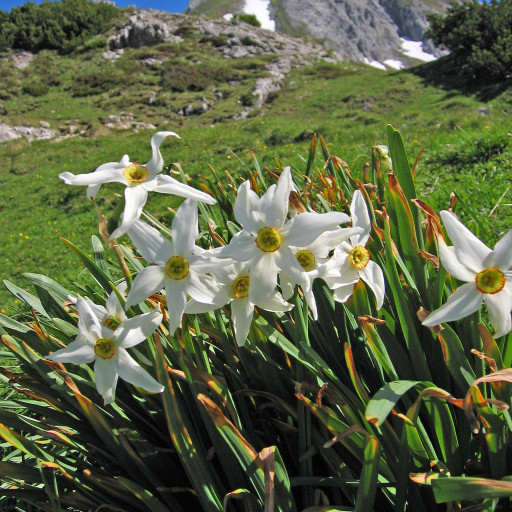
Plant Overview
Known globally as the Daffodil or Jonquil, the Narcissus is the ultimate herald of spring. In Greek mythology, it is famously named after the youth Narcissus, who fell so deeply in love with his own reflection that he transformed into this nodding flower. These cheerful blooms represent rebirth and new beginnings, signaling the end of winter with their iconic trumpet shapes.
🔍 How to Identify
- 🌼 The Corona: Look for the central "trumpet" or "cup" that sits in the middle of the flower; this is the most distinguishing feature of the genus.
- 🎨 The Perianth: Each bloom features six petal-like segments that surround the central cup, appearing in shades of sunshine yellow, creamy white, or even soft peach.
- 🌿 Strap-like Foliage: The leaves are long, flat, and blade-like, emerging in upright clumps from underground bulbs before the flowers appear.
🏡 In Your Garden
- 🪴 Naturalizing Champions: Narcissus are famous for "naturalizing," meaning they will return year after year and spread on their own, eventually creating a sea of color in your lawn or beds.
- 🍂 The "Leave the Leaves" Rule: After the flowers fade, it is vital to leave the green foliage alone. The plant uses these leaves to photosynthesize and store energy in the bulb for next year's bloom. Only cut them back once they turn yellow and brittle.
- 🐿️ Pest Resistance: Unlike tulips, Narcissus bulbs are rarely eaten by squirrels, voles, or deer because they contain a bitter, distasteful sap.
⚠️ Safety & Toxicity
- 🚫 Toxic Status: All parts of the Narcissus plant are toxic if ingested, with the highest concentration of toxins found in the bulb.
- 🐾 Pets & Kids: Keep away from curious dogs and children. Ingestion can cause severe stomach upset, vomiting, and tremors.
- 🧴 Daffodil Itch: The sap contains sharp calcium oxalate crystals. Some gardeners may develop skin irritation or a rash (dermatitis) after handling cut stems without gloves.
✨ Fun Fact
🏴 The Welsh Icon: The Narcissus is the national flower of Wales! It is traditionally worn on St. David’s Day (March 1st) to celebrate the country's heritage and the arrival of the spring season.

Detailed Care Instructions
| Color | Yellow, White, Red, Orange, Green Or Pink |
| Soil Ph | Slightly Acidic To Neutral |
| Lighting | Full Sun |
| Toxicity | Toxic To Dogs And Cats |
| Soil Type | Rich And Moist |
| Bloom Time | Winter, Spring |
| Plant Type | Bulbous Perennial |
| Mature Size | 12 To 18 Inches Tall And Half As Wide |
| Native Area | Spain, Portugal |
| Sun Exposure | Full Sun To Partial Shade |
| Hardiness Zones | 3 To 8 |
To grow Narcissus plants, also known as daffodils, you can follow these steps:
- Choose healthy bulbs: Purchase healthy bulbs from a reputable nursery or garden center. Look for plump, firm bulbs without any signs of mold or damage.
- Select the right location: Narcissus plants prefer a sunny or partially shaded spot in the garden with well-draining soil. They also tolerate various soil types, but it should not be overly wet or soggy.
- Prepare the soil: Before planting, prepare the soil by removing any weeds, rocks, or other debris. Loosen the soil to a depth of about 8-10 inches and mix in organic matter, such as compost, to improve drainage and fertility.
- Plant the bulbs: Dig a hole that is two to three times the depth of the bulb. Place the bulb with the pointed end facing up and cover it with soil. Space the bulbs about four to six inches apart.
- Water thoroughly: After planting, water the bulbs thoroughly to ensure good moisture penetration and encourage root establishment.
- Provide regular water and fertilization: Water the plants regularly, keeping the soil moist but not waterlogged. During the growing season, you can use a slow-release bulb fertilizer or apply a balanced fertilizer according to the package instructions.
- Mulch the area: Apply a layer of organic mulch around the plants, such as bark chips or straw, to help conserve moisture, suppress weeds, and provide some insulation.
- Allow the foliage to die back naturally: After the flowers have finished blooming, do not cut back the foliage. Allow it to wilt and turn yellow on its own. This process helps the bulb store energy for the next season's growth.
- Divide and transplant as needed: Over time, daffodil bulbs can multiply and become crowded. When this happens, you can choose to divide and transplant them in late summer or early autumn, preferably every three to five years, to maintain their vigor.
Remember to provide adequate protection from pests, such as squirrels or deer, as they may dig up the bulbs.

Place in a bright room that is sun drenched almost all day. Or directly in a south-facing window.

The best way to water this plant is to make sure the soil is moist but not waterlogged. It is important not to let the soil dry out completely, as this can cause the plant to wilt and potentially die. When watering, aim for the soil around the roots rather than the leaves and flowers. Avoid getting water on the leaves or flowers, as this can cause damage or rotting. Depending on the climate and soil, it may be necessary to water this plant once or twice a week. It is also important to ensure proper drainage and to avoid letting water accumulate in a container, as this can lead to root rot.
For best results, fertilize this plant using a balanced fertilizer with equal amounts of nitrogen, phosphorus, and potassium. Apply the fertilizer to the soil around the base of the plant in the early spring, just as new growth emerges. Be sure to follow the manufacturer's instructions for proper dosage and application. Avoid over-fertilizing, as this can lead to burnt or damaged roots. Additionally, it is recommended to fertilize again after the flowers have faded to support bulb development for next year.
Narcissus plants prefer well-draining soil that is rich in organic matter. The soil should have a pH range of 6 to 7.5. The ideal soil texture for Narcissus plants is loamy soil, which consists of a balance of sand, silt, and clay. This type of soil provides good drainage and moisture retention, which is vital for healthy Narcissus growth. The soil should also be free of large rocks and debris, as they can impede root growth and cause the plant to struggle. When planting Narcissus bulbs, it's important to ensure that they are placed in loose, well-aerated soil that allows for root development. Adding compost or well-rotted manure can improve soil fertility and its ability to hold moisture while promoting drainage. Finally, it's important to avoid using heavy clay soils or soils that are constantly damp, as they can cause root rot and hinder plant growth.
- First, select a mature plant that has healthy and strong bulbs.
- Wait for the plant to finish flowering and for the foliage to start to die back.
- Once the leaves have turned yellow, carefully dig up the bulbs from the soil.
- Separate the bulbs from the parent plant and discard any that are damaged or diseased.
- Inspect each bulb and select those that have at least one healthy attachment point and are of a suitable size.
- Plant the bulbs in a well-draining potting mix, leaving the top one-third of the bulb exposed.
- Water the bulbs thoroughly and place them in a bright location with indirect sunlight.
- Keep the soil moist but not waterlogged.
- After a few weeks, shoots should begin to emerge from the bulbs.
- Once they have reached a height of 5-10 cm, you can transplant them into individual pots or back into the garden bed.







