Plant Overview
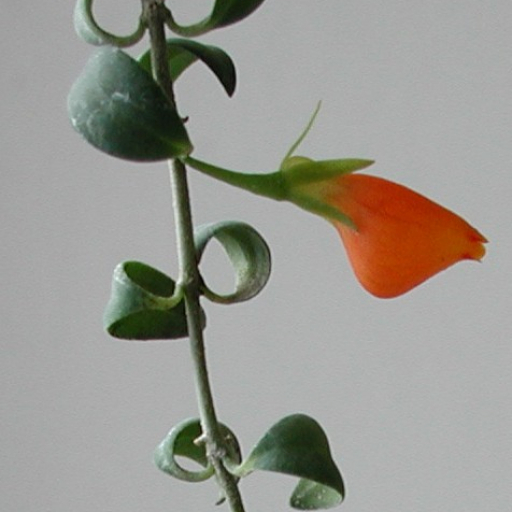
Known famously as the Goldfish Plant, the Nematanthus is a playful Brazilian native that looks as if a school of tiny, glowing orange fish is swimming through a sea of emerald green. These charming tropical perennials are epiphytes in their natural habitat, often found clinging to tree branches in the moist rainforests of South America. They have become a beloved houseplant for their ability to bloom year-round and their unique, waxy foliage.
🔍 How to Identify
- 🐠 The Flowers: The most distinct feature is the tubular, "puffed" flowers that bulge in the middle, resembling the body of a goldfish. They typically come in vibrant shades of orange, red, or yellow.
- 🍃 Waxy Foliage: The leaves are small, thick, and highly glossy. They have a succulent-like texture that helps the plant store moisture, appearing dark green and sometimes having a reddish tint on the undersides.
- 🌿 Growth Habit: It features a trailing or cascading habit, making it an ideal choice for hanging baskets where its stems can drape elegantly over the sides.
🏡 In Your Home
- 🌤️ Light Nuance: Because they grow under the canopy of rainforest trees, they crave bright, indirect light. Direct afternoon sun will scorch their waxy leaves, while too little light will prevent those iconic "fish" from blooming.
- 💧 The Epiphyte Edge: Unlike standard potting plants, Nematanthus hates "wet feet." They prefer a chunky, well-draining mix (like an orchid or African violet mix) and should only be watered when the top inch of soil is dry.
- 🌬️ Humidity Needs: They thrive in humid environments. If your home is dry, especially in winter, placing them near a humidifier or on a pebble tray will keep the foliage lush and prevent flower drop.
⚠️ Safety & Toxicity
- ✅ Pet Safe: Good news for animal lovers! The Goldfish Plant is generally considered non-toxic to both cats and dogs, making it a "worry-free" addition to your indoor jungle.
- 👶 Child Friendly: It is also non-toxic to humans. However, as with any ornamental plant, it’s best to keep it out of reach of small children to avoid accidental choking or stomach upset from ingesting leaves.
✨ Fun Fact
In the wild, the unusual shape of the Nematanthus flower isn't just for show—it is perfectly engineered for its primary pollinator: the Hummingbird. The narrow opening and sturdy structure allow the bird to hover and sip nectar while getting dusted with pollen to carry to the next "fish."

Detailed Care Instructions
| Color | Red, Orange, Yellow |
| Soil Ph | Acidic |
| Humidity | Normal |
| Lighting | Full Sun |
| Soil Type | Well-Drained |
| Bloom Time | Spring, Summer, Fall, Winter |
| Difficulty | Medium |
| Plant Type | Perennial |
| Mature Size | Stems 2 To 3 In. Long, Branches Up To 3 Ft. Long |
| Native Area | Central America, Caribbean |
| Temperature | 18°C - 27°C |
| Sun Exposure | Bright Light But Not Direct Light |
| Hardiness Zones | 10-11 |
To grow a Nematanthus plant, also known as the Goldfish plant, you can follow these steps:
- Choose the right location: Nematanthus plants prefer bright, indirect light. Place them near a window where they can receive bright, filtered sunlight or place them in a well-lit room. Avoid direct sunlight, as it can cause leaf burn.
- Provide the right temperature and humidity: Nematanthus plants thrive in temperatures between 60-75°F (15-24°C). They also prefer moderate to high humidity levels. You can increase humidity by placing a tray of water near the plant or using a humidifier.
- Water properly: Watering is crucial for Nematanthus plants. Ensure that the soil is kept consistently moist but not waterlogged. Water thoroughly when the top inch of soil feels dry, and allow excess water to drain out of the pot. Avoid letting the plant sit in standing water as it can lead to root rot.
- Fertilize regularly: Feed your Nematanthus plant once every two weeks during the growing season (spring and summer) with a balanced, water-soluble fertilizer. Follow the instructions on the fertilizer packaging for the correct dosage.
- Prune and shape: Regular pruning helps maintain the shape and size of the plant. Pinch off any dead or decaying leaves, and trim back overgrown stems to encourage new growth and branching.
- Provide support: Nematanthus plants have trailing or vining growth habits, so provide them with a support structure like a trellis or stake if you want them to climb or trail. This can help enhance their appearance and prevent sprawling.
- Repot when necessary: As the plant grows, you might need to repot it into a slightly larger container. Use a well-draining potting mix and transplant during the growing season.
- Watch for pests: Keep an eye out for common houseplant pests like aphids, mealybugs, or spider mites. If you notice any, use an appropriate organic or chemical pesticide to control the infestation.
With these care tips, your Nematanthus plant should thrive and grow well. Remember to observe it regularly and adjust care as needed based on the specific conditions in your home.

Place in a bright room that is sun drenched almost all day. Or directly in a south-facing window.

To water this plant, it is important to first feel the top inch of the soil to determine if it is dry. If it is dry, the plant needs to be watered. To water, slowly pour water over the soil until it begins to drain out of the bottom of the pot. It is important not to overwater as this can lead to root rot. Additionally, make sure the pot has drainage holes to allow excess water to escape. The frequency of watering depends on the plant's size, the season, and the environment.
To fertilize this plant, you should use a balanced liquid fertilizer at half strength every two weeks during the growing season (spring and summer). Avoid fertilizing during the dormant season (fall and winter) as the plant does not require as many nutrients at this time. Make sure to water the plant thoroughly before and after fertilizing to prevent root burn.
The ideal soil for the Nematanthus plant should be well-draining and rich in nutrients. A mix of peat moss, perlite, and vermiculite is a good choice for this plant, as it provides good drainage and aeration while retaining enough moisture for the plant to thrive. The soil pH should be slightly acidic, ideally between 5.5 and 6.5. Avoid using heavy soils or soils that retain too much moisture, as this can lead to root rot and other fungal diseases. Additionally, adding organic matter such as composted leaves or aged manure to the soil can further improve its nutrient content and water-holding capacity.
Nematanthus plant can be propagated using stem cuttings. First, select a healthy stem that has at least 2-3 nodes (points where the leaves attach to the stem). Use a clean and sharp pair of scissors or pruning shears to make a clean cut just below the lowest node.
Next, remove all the leaves from the lower half of the cutting, leaving only a few leaves at the top. Dip the cut end into rooting hormone powder to stimulate root growth.
Prepare a small pot with well-draining potting soil and make a hole in the center. Insert the cutting into the hole and gently press the soil around the stem to hold it in place. Water the soil until it is moist but not waterlogged.
Cover the pot with a clear plastic bag or a plastic wrap to create a mini greenhouse that will retain moisture. Place the pot in a bright but indirect light location and maintain a warm temperature of 70-80°F.
The cutting should start to develop roots within a few weeks. Check the soil periodically and water as needed to keep it moist. After a few months, the cutting will have enough roots to be transplanted into a larger pot with regular potting mix.
Continue to care for the young plant by giving it bright but indirect light, watering moderately, and fertilizing every 2-3 months. With proper care, the Nematanthus plant will grow into a beautiful and healthy plant.







