Plant Overview
The Neomarica, widely known as the Walking Iris or Apostle Plant, is a captivating tropical perennial that literally "travels" through your garden. Legend has it that the plant will not bloom until it has produced exactly twelve leaves—representing the twelve apostles—making every blossom feel like a hard-earned spiritual reward. With its striking sword-like foliage and intricate, orchid-like blossoms, it brings a touch of exotic drama to any shaded corner or patio.
🔍 How to Identify
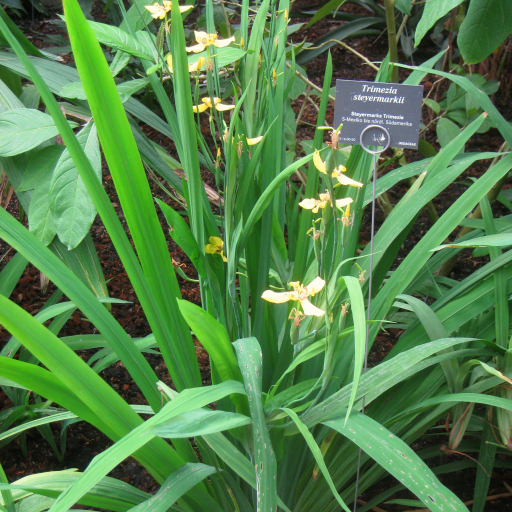
- 🍃 The Fan Shape: Look for long, rigid, sword-shaped leaves that grow in a distinct, flat fan pattern, radiating from a central base.
- 🌸 Intricate Blooms: The flowers feature three large outer petals (usually white or yellow) and smaller, curled inner petals heavily patterned with "tiger" stripes in shades of blue and chocolate brown.
- 🌱 The "Walker": Identifying this plant is easiest after blooming; the flower stalk continues to grow and develops a miniature "baby" plant at the tip, which eventually pulls the stem toward the ground.
🏡 In Your Garden
- 🚶 The Walking Habit: Unlike most plants that stay put, the Walking Iris uses its weight to propagate. When the flower stalk leans over and touches the soil, the new plantlet takes root. This allows the plant to slowly "walk" across a flower bed over several seasons.
- ⛅ Light & Shade: It prefers the dappled light of a forest floor. In the home garden, this means it excels in bright, indirect light. Direct afternoon sun can scorch the beautiful fan of leaves, turning them a crispy brown.
- 💧 Thirsty Roots: Because it originates from tropical regions of Brazil and Mexico, it loves humidity and consistently moist, rich soil. It is a fantastic choice for damp spots in the garden where other plants might suffer from "wet feet."
⚠️ Safety & Toxicity
- 🐾 Mildly Toxic: The Neomarica is generally considered low-toxicity, but the rhizomes (roots) and sap contain compounds that can cause nausea or vomiting if ingested by pets or small children.
- 🧴 Skin Irritation: Some sensitive individuals may experience mild skin redness or itching if they come into contact with the sap while dividing the plant. Wearing gardening gloves is recommended during maintenance.
✨ Fun Fact
The flowers of the Walking Iris are famous for being "ephemeral"—each stunning bloom typically lasts for only one day! However, don't be discouraged; a single plant can produce a succession of flowers throughout the spring and summer, ensuring the show continues.

Detailed Care Instructions

Place in a window with dappled sun or a spot in the middle of a room. Or directly in a window facing west or east.

Some plants require more regular watering than others, which should be done every few days. It's critical to maintain the soil moist all of the time. The water requirements of the same plant placed in pots with varying sizes will differ. Because the water in the smaller pot evaporates faster than the water in the larger pot, it will require more watering. Regardless of pot size, the surface should constantly be maintained moist.







