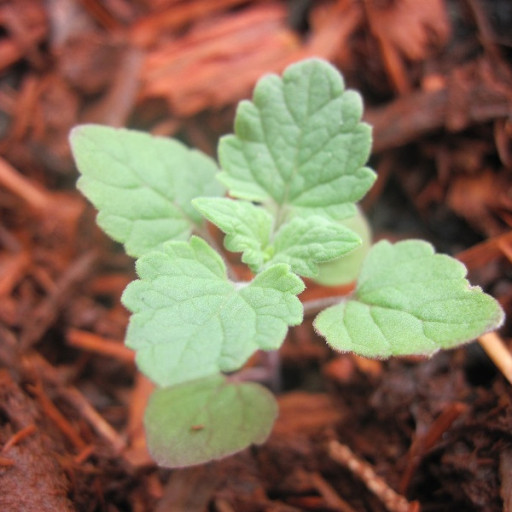
Plant Overview
Often called "Catmint" or simply "Catnip," this aromatic herb is the undisputed superstar of the feline world. A member of the mint family, it hails from Eurasia but has made itself quite at home in gardens across the globe. While it’s famous for sending cats into a temporary state of blissful frenzy, it is also a hardy, beautiful perennial that gardeners prize for its resilience and ability to attract beneficial insects.
🔍 How to Identify
- 🌿 The Stem: Like most members of the Lamiaceae family, Catnip features a distinct square-shaped stem that is sturdy and upright.
- 🍃 The Foliage: Look for heart-shaped, grayish-green leaves with deeply scalloped (toothed) edges. The leaves are covered in fine, velvety hairs, giving them a soft, dusty appearance.
- 🌸 The Blooms: It produces small, tubular flowers that are typically white or pale lavender with tiny purple spots. These grow in dense, terminal spikes that bloom from late spring through autumn.
🏡 In Your Garden
- 🐝 Pollinator Magnet: This plant is a favorite for honeybees, bumblebees, and butterflies. If you want a buzzing, lively garden, Catnip is a top-tier choice for supporting local biodiversity.
- 🌱 Resilient Growth: It thrives in full sun and well-draining soil, showing remarkable drought tolerance once established. However, it can be an aggressive spreader; if you don't want a garden full of Catnip, consider planting it in containers or "deadheading" the flowers before they drop seeds.
⚠️ Safety & Toxicity
- 🐾 Feline Frenzy: While the plant is famous for its effect on cats, the "high" only lasts about 10 minutes. It is non-toxic, but if a cat eats a massive amount of fresh leaves, they may experience mild vomiting or diarrhea.
- 👶 Human Use: Catnip has been used for centuries in herbal teas to promote relaxation. However, it is generally advised that pregnant women avoid consuming it, as it can act as a uterine stimulant.
✨ Fun Fact
The chemical responsible for your cat's crazy behavior is called nepetalactone. Interestingly, scientific studies have shown that this same chemical is nearly ten times more effective at repelling mosquitoes than DEET, the most common ingredient in insect repellents!

Detailed Care Instructions
Catnip plants are quite easy to grow and can tolerate many different growing conditions.
How long does it take to grow catnip?
Catnip is a fast grower and will reach its mature size within one growing season.
Does catnip come back every year?
Catnip is a perennial plant and will grow back every year.
| Color | White, Lavender |
| Soil Ph | 6.1 To 7.8 (Mildly Acidic To Mildly Alkaline) |
| Humidity | Normal |
| Lighting | Full Sun |
| Soil Type | Moderately Rich Loam Or Sandy, With Good Drainage |
| Bloom Time | Summer And Fall |
| Difficulty | Medium |
| Plant Type | Herbaceous Perennial Herb |
| Mature Size | 3 To 4 Feet Tall |
| Native Area | Eurasia; Widely Naturalized Elsewhere |
| Temperature | 5°C - 25°C |
| Sun Exposure | Full Sun |
| Hardiness Zones | 3-9 |
To grow Nepeta Cataria, commonly known as catnip, follow these steps:
- Choose a suitable location: Catnip prefers full sun but can also tolerate partial shade. Make sure the area has well-draining soil.
- Sow seeds or plant seedlings: You can start catnip from seeds, which should be sowed indoors about 6-8 weeks before the last frost date. Alternatively, you can purchase catnip seedlings from a nursery and transplant them into your garden.
- Prepare the soil: Catnip prefers moderately fertile soil. Before planting, loosen the soil and remove any weeds or debris.
- Plant the seeds or seedlings: If sowing seeds, sprinkle them on the soil surface and lightly press them down. Cover with a thin layer of soil. If using seedlings, dig a hole slightly larger than the root ball, gently place the plant in the hole, and cover with soil.
- Water regularly: Catnip likes evenly moist soil. Water the plant regularly, especially during dry spells. However, ensure the soil is not waterlogged as this can lead to root rot.
- Mulch: Adding a layer of organic mulch around the plants can help retain moisture and suppress weed growth. However, make sure to leave some space around the base of the plant to prevent excess moisture.
- Pruning: Catnip plants may benefit from regular pruning to maintain their shape and encourage bushier growth. Cut back the plants by about one-third in early to mid-summer. This will also help to prolong the blooming period.
- Fertilization: Catnip typically doesn't require heavy feeding. However, you can apply a balanced fertilizer once or twice during the growing season to promote healthy growth.
- Pest control: Catnip is generally resistant to pests, but you may occasionally encounter aphids or spider mites. Inspect the plant regularly and treat any pest infestation with appropriate measures such as insecticidal soap or neem oil.
- Harvesting: You can start harvesting the leaves once the plant reaches about 8-12 inches in height. Pinch or cut the leaves from the stems, and they can be dried for later use or given to your feline friends for play or catnip tea.
With proper care and maintenance, your Nepeta Cataria plant should thrive and provide you and your pets with its delightful effects.

Place in a bright room that is sun drenched almost all day. Or directly in a south-facing window.

To water this plant, you must monitor the soil's moisture level and water only when the top two inches of soil are dry. Use a watering can or hose with a gentle flow to avoid damaging the plant and its roots. Water the plant deeply, ensuring that the water reaches the roots, but avoid creating standing water in the saucer or pot. Allow any excess water to drain before returning the pot to its saucer or placing it back in the desired location. Avoid over-watering, as this can lead to root rot, which can ultimately kill the plant. Be sure to water the plant consistently, as irregular watering can cause stress and encourage pests and diseases.
To fertilize this plant, use a balanced fertilizer with equal amounts of nitrogen, phosphorus, and potassium. Apply it once every two weeks during the growing season. Make sure to water the plant thoroughly before and after fertilizing to avoid burning the roots. Additionally, avoid getting the fertilizer on the leaves or stems of the plant. Spread it around the base of the plant evenly.
Nepeta Cataria grows best in well-draining soil that is fertile and rich in organic matter. The ideal pH level for the soil is between 6.0 and 7.5. It is recommended to use a mix of loamy soil and sand with compost or organic matter added to improve the soil's nutrients and drainage. The soil should be kept moist but not waterlogged, and the plant should be placed in a spot with partial sun to full sun exposure. It is important to avoid using heavy clay or sandy soils, as they can retain too much water or dry out too quickly, which can be harmful to the plant's growth.
To propagate this plant, you should first identify a healthy and mature stem. Cut a piece of the stem just below a node, which is where the leaves grow from the stem. Remove the lower leaves from the stem cutting, leaving only a few on the top.
Next, dip the cut end of the stem in rooting hormone powder or gel. This will encourage the stem to develop roots. Then, make a hole in a potting mix and place the stem cutting in the soil. Water the cutting well, and keep it in a warm and humid place.
It is important to keep the soil moist but not waterlogged. After a few weeks, the stem should start developing roots. You can check by gently pulling the stem to see if it resists, which indicates that roots have formed.
Once the new plant has established roots, it can be transplanted into a larger pot or into the garden. It is best to propagate this plant in the spring or early summer when it is actively growing.
Common pests of the catnip include Spider mites, thrips, larvae. Make a habit of checking your catnip frequently for pests so that any infestations can be caught and managed early.








