Plant Overview
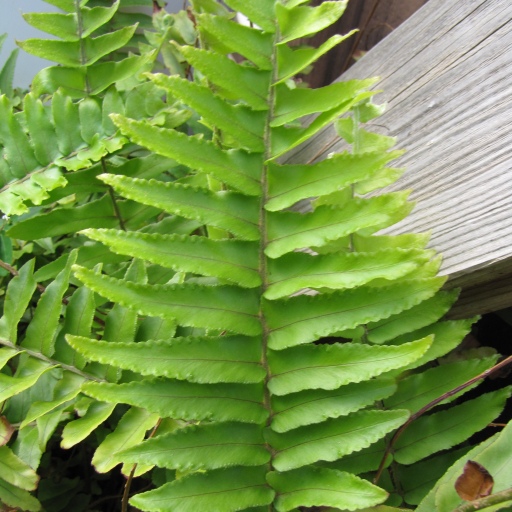
The Asian Sword Fern, scientifically known as Nephrolepis brownii, is the hardier, more rugged cousin of the classic Boston Fern. Often referred to as the "Giant Sword Fern," it is a tropical powerhouse known for its architectural, upright fronds that can transform a room into a lush jungle. In its native habitats of Asia and Australia, it is a versatile survivor, often seen growing both in the ground and tucked into the nooks of tropical trees.
🔍 How to Identify
- 🍃 Frond Structure: It features long, sword-shaped fronds that can reach over three feet in length. The leaflets (pinnae) are closely spaced, giving it a dense, feathery appearance.
- 🪵 Fuzzy Rachis: The central stem of the frond is typically covered in fine, reddish-brown scales or hairs, which distinguishes it from the smoother stems of other fern varieties.
- 🔴 Spore Patterns: On the underside of mature leaflets, you will find neat rows of small, circular "sori" (spore cases) located near the leaf margins, resembling tiny brown dots.
🏡 In Your Garden
- 🚿 Humidity Hunter: Like most ferns, this species breathes through its leaves. If the air is too dry, the tips will quickly turn brown and crispy. It thrives in bathrooms or near a humidifier.
- 🪴 The Runner Habit: This fern spreads via "stolons"—long, thin runners that look like green string. These allow the plant to "walk" and fill out a pot or garden bed rapidly, so give it plenty of room to expand.
- ⛅ Dappled Light: While it is more sun-tolerant than the delicate Maidenhair fern, it still prefers "filtered" light. Think of the light that hits a forest floor; direct midday sun will bleach its vibrant green leaves to a dull yellow.
⚠️ Safety & Toxicity
- 🐾 Pet Safe: Good news for pet parents! Nephrolepis brownii is generally considered non-toxic to cats and dogs.
- 🌿 Mild Irritation: While not poisonous, the tiny hairs on the stems can occasionally cause mild skin irritation for people with highly sensitive skin during heavy pruning.
✨ Fun Fact
The Asian Sword Fern is a master of "Epiphytic" living. In the wild, it doesn't always need soil; it can grow high up in the canopy of palm trees, catching falling organic debris and rainwater to feed itself!

Detailed Care Instructions
To grow a Nephrolepis Brownii plant, also known as the Kangaroo paw fern, you can follow these steps:
- Choose a suitable location: Kangaroo paw ferns prefer bright, indirect light. Avoid placing them in direct sunlight, as it can lead to scorching of the leaves. A location near a north-facing or east-facing window is ideal.
- Temperature and humidity: These ferns prefer temperatures between 60-75°F (15-24°C) and high humidity levels. You can maintain humidity by placing the plant near a humidifier, on a pebble tray filled with water, or by misting the leaves regularly.
- Potting mix: Use a well-draining potting mix that retains moisture but does not get waterlogged. A mix of peat moss, perlite, and coarse sand or orchid bark works well for Kangaroo paw ferns.
- Watering: Keep the soil evenly moist but not soggy. Water the plant when the top inch of soil feels dry to the touch. Avoid allowing the plant to sit in standing water, as it can cause root rot.
- Fertilizing: Feed the fern with a balanced, diluted houseplant fertilizer once a month during the growing season (spring and summer). Avoid fertilizing during winter months when the plant is dormant.
- Repotting: As the fern grows, you may need to repot it every 1-2 years. Choose a slightly larger pot and use fresh potting mix. Gently remove the plant from its current pot, loosen the roots, and place it in the new pot, covering the roots with fresh soil.
- Pruning: Remove any damaged or brown fronds regularly to maintain the overall health and appearance of the plant. You can also trim or divide the plant if it becomes too large or unruly.
- Pest control: Monitor the plant for common pests like spider mites or mealybugs. If you notice any, treat them with an appropriate organic insecticide or by wiping the leaves with a soapy water solution.
Remember that each plant is unique, and it may take some trial and error to find the perfect conditions for your Nephrolepis Brownii plant. Regularly observing the plant's growth and adjusting care accordingly will help ensure its successful development.

Place in a bright room that is sun drenched almost all day. Or directly in a south-facing window.

To properly water this plant, wait until the top inch of soil is dry before watering. Use distilled or rainwater, as this plant is sensitive to chemicals in tap water, and water until it drains out the bottom of the pot. Never let the plant sit in standing water, as this can lead to root rot. During the winter months, reduce watering frequency as the plant's growth slows down.
To fertilize this plant, first choose an organic fertilizer with a balance of nitrogen, phosphorus, and potassium (often labeled N-P-K). Mix this fertilizer with water according to the package instructions, taking care not to make it too strong. Water the plant thoroughly with the fertilizer solution, making sure to saturate the roots. Fertilize every four to six weeks during the growing season (spring and summer), and stop fertilizing during the dormant season (fall and winter). Avoid fertilizing when the soil is dry or the plant is stressed.
The ideal soil for this plant would be a well-draining, nutrient-rich soil with a slightly acidic pH. It should have a good balance of organic matter, such as peat moss or compost, to help retain moisture and provide nutrients. The soil should also be loose and airy to promote healthy root growth. It is important to avoid heavy and compacted soils as they can lead to root rot and other issues. Additionally, this plant benefits from regular fertilization with a balanced all-purpose fertilizer to support growth and foliage health.
Nephrolepis Brownii plants can be propagated through division. To do this, carefully remove the plant from its pot and use a sharp, clean knife to separate the root system into smaller sections. Each section should contain at least one healthy frond and a good portion of roots.
Make sure to choose sections that are not damaged or diseased.
Before replanting, allow the cut sections to dry for a few hours to prevent rotting.
Then, plant each section in a pot filled with fresh potting soil and water well.
It is important to keep the newly planted sections moist, but not soggy, while they establish themselves.
New growth should appear within a few weeks.








