Plant Overview
Often called the Blunt-lobed Sword Fern, this lush beauty is the understated, sophisticated cousin of the common Boston Fern. Native to tropical regions of Africa and Southeast Asia, it brings a prehistoric, forest-floor vibe to any indoor space. Unlike its more "shaggy" relatives, it offers a cleaner, more geometric silhouette that appeals to modern plant collectors who love a structured look.
🔍 How to Identify
- 🌿 Frond Structure: Features long, arching fronds that can grow up to two feet long. The central stem (rachis) is notably sturdy, giving the plant a more organized, fountain-like shape.
- 🍃 Blunt Leaflets: The "obtusiloba" name refers to its rounded, blunt-tipped leaf segments. They lack the serrated or sharp points found on other sword ferns, creating a softer, scalloped aesthetic.
- 🟢 Rich Color: The foliage is a deep, consistent emerald green with a slightly waxy texture that feels more substantial than the thin leaves of a Maidenhair fern.
🏡 In Your Garden
- ☁️ Humidity Lovers: This fern is a "humidity hog." It thrives in bathrooms or kitchens where steam is frequent. If the blunt leaf tips start to turn crispy and brown, it is likely "protesting" dry air from your heater or air conditioner.
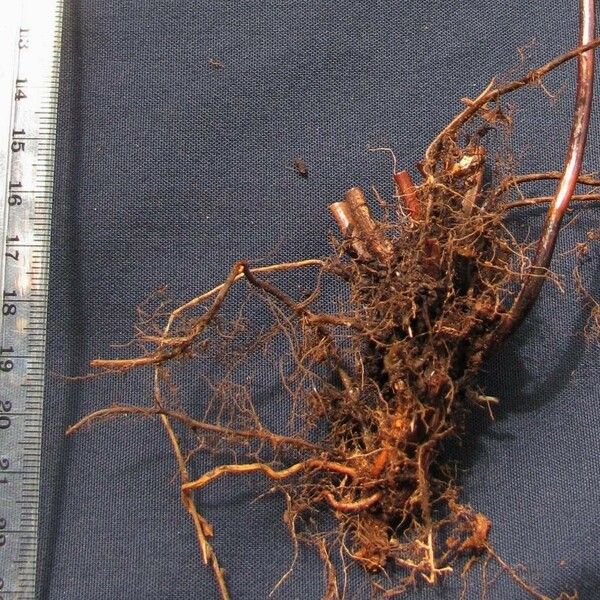
- 🏺 Drainage Nuance: In its natural habitat, this plant often grows on mossy rocks or tree branches (epiphytic). Because of this, it hates "wet feet." Use a chunky potting mix with plenty of bark or perlite to ensure the roots can breathe.
⚠️ Safety & Toxicity
- ✅ Non-Toxic: Good news for pet parents! The Nephrolepis obtusiloba is generally considered non-toxic to cats, dogs, and horses.
- 👶 Safe for Kids: It contains no known irritants or poisons, making it a worry-free choice for low-shelf placement in homes with curious toddlers.
✨ Fun Fact
Ferns like the Nephrolepis are some of the oldest living lineages on Earth, dating back over 300 million years. They reproduce via tiny spores on the underside of their leaves—a "primitive" but highly effective survival method that allowed them to outlive the dinosaurs!

Detailed Care Instructions
| Humidity | Normal |
| Difficulty | Medium |
| Hibernation | Cold Period |
| Temperature | 22°C - 32°C |
| Hardiness Zones | 8 - 11 |

Place in a window with dappled sun or a spot in the middle of a room. Or directly in a window facing west or east.
The relative humidity levels between 30 and 50 percent are ideal for these plants. They exhibit unpleasant symptoms when the moisture content in the environment is unfavorable. Avoid letting the air temperature rise too high or low and use a humidifier, whenever possible. Misting is also beneficial, although frequent watering is also necessary. The optimal relative humidity will promote plant growth.








